Dara's 'Bangaranga' makes Bulgaria the 2026 Eurovision winner with a riotous, crowd-rousing performance in Vienna.
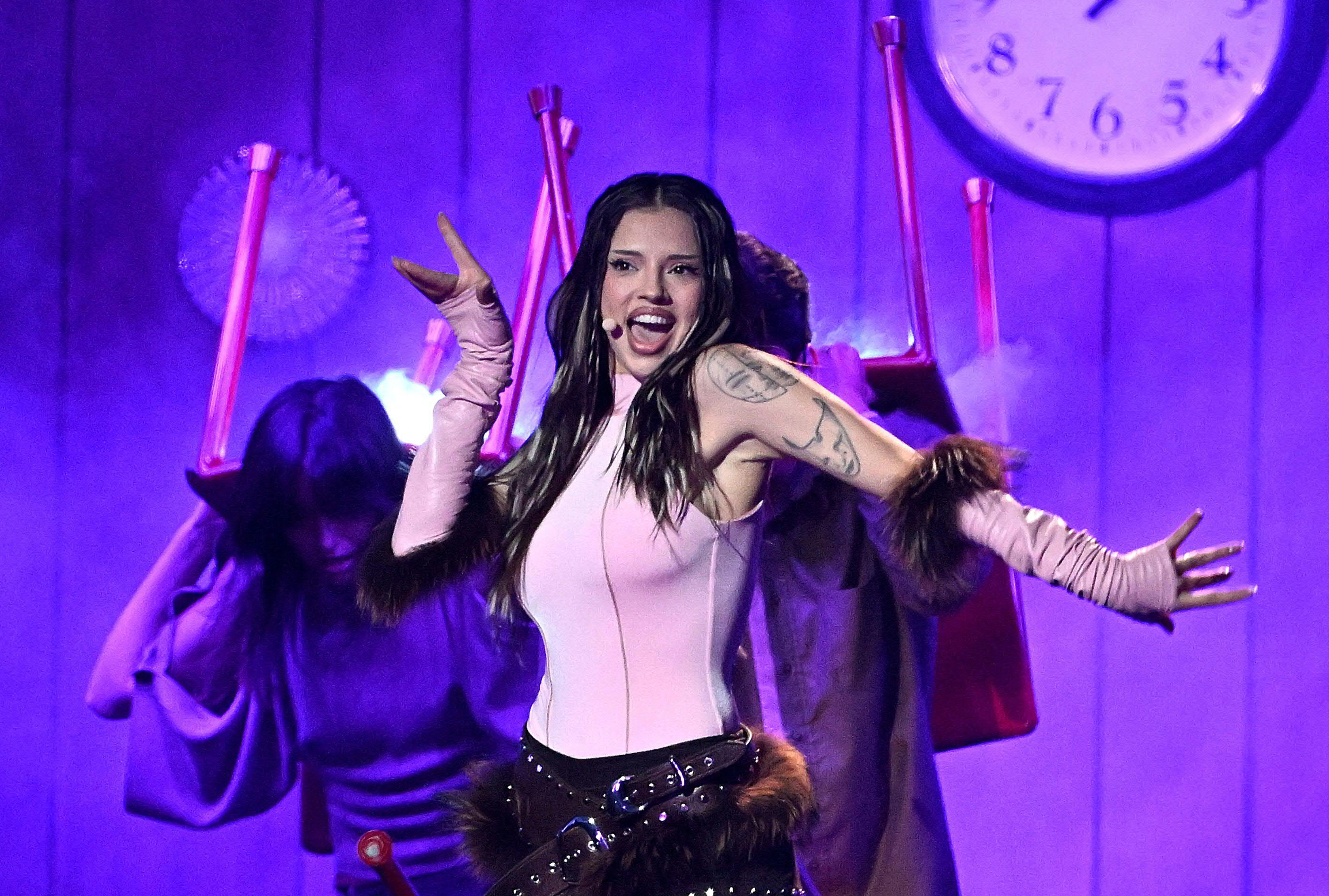
- Dara’s ‘Bangaranga’ scores Bulgaria’s first Eurovision win in Vienna
- The catchy anthem beat 24 other countries after a strong final performance
- Israel took second place for the second year running
📰 Continuing coverage: Bulgaria wins Eurovision 2025 with Dara’s historic victory
Bulgaria’s music scene just got a historic glow-up. Late Saturday night in Vienna, performer Dara stepped onto the Eurovision stage and locked in a performance that stunned the world. Her song ‘Bangaranga’—with its infectious chorus and explosive energy—catapulted the country to the top of the leaderboard, giving it its very first Eurovision win. The win comes just a year after Israel took the crown in Basel, and once again, Israel finished second, marking back-to-back runner-up showings for the country. Ten countries that had advanced to the final were eliminated in the semi-finals earlier in the week, leaving 15 acts to battle it out on the big night. When the final votes were counted, Bulgaria’s victory stood out as one of the contest’s biggest underdog stories in recent memory. Dara didn’t just win—she celebrated like she’d been waiting her whole life for the moment. As she clutched the Crystal Microphone—a gleaming glass trophy—from last year’s winner JJ of Austria, she shouted into the mic, “Oh my god!” It was the kind of reaction you’d expect from someone who just made history, and the crowd in Vienna erupted in cheers. ## ‘Bangaranga’ leaps from obscurity to Eurovision glory The song itself was the sleeper hit no one saw coming. NPR critic Glen Weldon called it “an insanely catchy bop” with “deep, profound, abiding grooviness.” That kind of praise from a veteran reviewer helped turn the track into a global talking point days before the contest even started. The phrase “Welcome to the riot!” from the chorus became a viral catchphrase, popping up in memes and social media feeds across Europe. Bulgaria wasn’t even among the top contenders heading into the final, according to most bookmakers. But Dara’s performance—full of swagger, confidence, and a sound that felt fresh and familiar at once—changed everything. It proved that sometimes, all it takes is the right song at the right moment to shift the whole contest. ## Eurovision’s message of unity faced with global tensions Still, the contest didn’t exist in a vacuum. Eurovision has long stood as a symbol of unity through music, with hosts often emphasizing the event’s role in bringing nations together. Host Michael Ostrowski closed the show with words that felt both hopeful and necessary: “In a world often divided, we stand united by music.” The sentiment echoed the contest’s founding ethos, even as global events tested that ideal. Five countries—including Iceland, Ireland, and the Netherlands—pulled out of the 2026 contest between September and December 2025, protesting the event’s location and timing amid the war in Gaza. Protests followed in Vienna too, with demonstrators taking to the streets to voice their opposition to ongoing conflicts. Despite the tension, the show went on, and the music played on—another reminder that Eurovision remains, at its core, a celebration of artistry over politics. ## A record-breaking night for the contest The 2026 Eurovision drew massive global viewership, continuing a trend of rising numbers. Last year’s contest in Basel set a record with 166 million viewers across 37 markets, and this year’s final in Vienna looked set to challenge that figure. The contest’s glittery stage, elaborate costumes, and high-energy performances drew fans from across the globe, proving that Eurovision’s appeal isn’t slowing down anytime soon. For Bulgaria, the win is more than a trophy on a shelf. It’s a statement that the country’s music industry can compete on the world stage—and win. Dara’s victory is likely to boost interest in Bulgarian pop, inspire new artists, and maybe even draw more international attention to the country’s growing cultural scene. ## What happens next? The Crystal Microphone now sits in Sofia, Bulgaria, as a symbol of the country’s first-ever Eurovision win. Dara will likely embark on international tours and media appearances, while Eurovision organizers will begin planning for next year’s contest. The winning song is already climbing charts across Europe, and it wouldn’t be surprising to see it pop up in commercials, movie soundtracks, or even mainstream radio playlists in the coming months. For now, Bulgaria’s music fans are celebrating—and the rest of the world is catching on to what they’ve known all along: ‘Bangaranga’ is a banger.
What You Need to Know
- Source: NPR
- Published: May 17, 2026 at 00:48 UTC
- Category: World
- Topics: #npr · #usa · #world-news · #bulgarian · #eurovision · #bulgaria
Read the Full Story
This is a curated summary. For the complete article, original data, quotes and full analysis:
All reporting rights belong to the respective author(s) at NPR. GlobalBR News summarizes publicly available content to help readers discover the most relevant global news.
Curated by GlobalBR News · May 17, 2026
Related Articles
- 🎉 250 Articles in World!
- Bulgaria wins Eurovision 2025 with Dara’s historic victory
- ‘She was phenomenal, she was iconic’: Delta Goodrem wins praise as Australia places fourth at Eurovision
🇧🇷 Resumo em Português
A Bulgária entrou para a história do Eurovisão ao conquistar sua primeira vitória no festival com a canção “Bangaranga”, de Dara, um hino contagiante que sacudiu o palco de Viena no sábado à noite. A performance eletrizante da cantora, marcada por coreografias vibrantes e um refrão impossível de esquecer, surpreendeu o mundo e coroou o país como o grande campeão da 70ª edição do concurso.
O feito da Bulgária não é apenas uma conquista artística, mas também um marco cultural para um país que, ao longo dos anos, teve dificuldade em se destacar entre os gigantes da Europa no Eurovisão. Para o público brasileiro, acostumado a torcer por nações latinas ou europeias com forte apelo musical, a vitória búlgara pode soar inusitada, mas reforça a ideia de que a música, quando autêntica, transcende fronteiras. Além disso, o triunfo de “Bangaranga” — com sua mistura de sons folclóricos e batidas modernas — abre portas para que outros países do Leste Europeu revejam suas estratégias artísticas no festival, demonstrando que a originalidade ainda é a chave do sucesso.
Agora, a Bulgária terá a honra de sediar o Eurovisão 2027, um desafio que promete colocar o país no centro das atenções globais — e, quem sabe, inspirar outras nações a inovar em suas propostas musicais.
🇪🇸 Resumen en Español
Bulgaria vivió un momento histórico en el festival de Eurovisión al lograr su primera victoria con el tema Bangaranga de Dara, que arrasó en la final celebrada en Viena.
El triunfo de Bulgaria, un país con una trayectoria irregular en el certamen, marca un hito no solo por el merecido reconocimiento a su música, sino también por la explosión de alegría que ha generado entre sus compatriotas. Para los espectadores hispanohablantes, este resultado refleja la diversidad cultural que define a Eurovisión, un evento donde la innovación y la identidad local pueden brillar con luz propia, demostrando que incluso los países con menos tradición en el concurso tienen oportunidades de triunfar.
NPR
Read full article at NPR →This post is a curated summary. All rights belong to the original author(s) and NPR.
Was this article helpful?


Discussion