US starts Iran port blockade after failed Islamabad talks, cutting off maritime traffic and sparking economic and military risks.
- US military began Iran port blockade on April 13 after talks collapsed in Islamabad the day before
- Blockade cuts off nearly all maritime traffic to and from Iranian ports
- Experts warn of enforcement challenges, legal risks, and global economic disruption
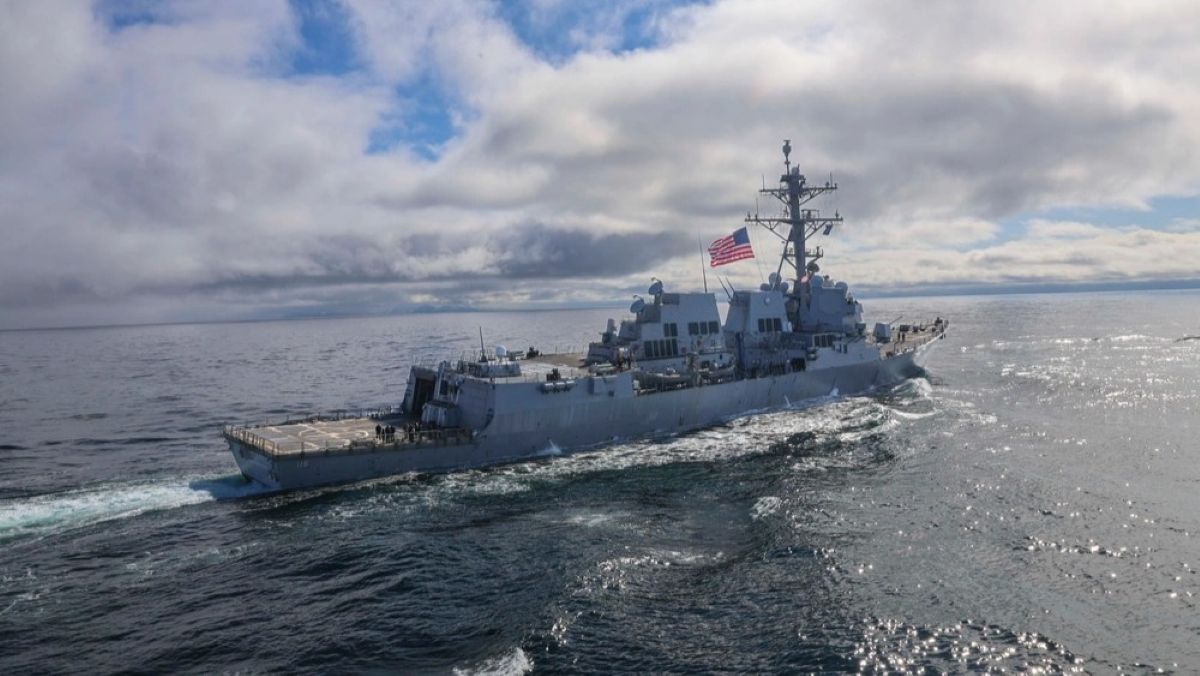
On April 13, the U.S. military started a blockade of all ships entering or leaving Iranian ports, following President Donald Trump’s announcement the day before. The move came after American and Iranian negotiators failed to reach any agreement during a high-stakes meeting in Islamabad. The talks had been seen as a last chance to avoid a direct military confrontation, but ended without progress. Now, the U.S. is betting that choking off Iran’s sea trade will force Tehran back to the table—or at least weaken its regional influence, especially in Yemen and Syria, where Iran supports militias fighting against U.S.-backed forces. The blockade isn’t just about oil anymore. It’s a full economic squeeze, targeting everything from food shipments to spare parts for Iranian factories. The U.S. says it’s enforcing the blockade under maritime law, but the move is already drawing sharp criticism from European allies and China, who argue it violates international norms and risks escalating tensions into open conflict. The Pentagon has deployed additional warships to the Persian Gulf, including the aircraft carrier USS Eisenhower, to patrol the Strait of Hormuz, the narrow waterway through which about a third of the world’s oil passes. Iran has repeatedly threatened to shut the strait in response, which could trigger a direct U.S.-Iran naval war. The last time Iran tried that, in 2019, it seized a British-flagged tanker and shot down a U.S. drone, nearly sparking a U.S. airstrike on Iranian soil. This time, the stakes are higher. Iran’s military has grown stronger since then, including its fleet of drones and missiles, which it’s supplied to proxies across the Middle East. The U.S. says it’s prepared for escalation, but even Pentagon officials privately admit the blockade carries serious risks. The biggest question is how Iran will respond. Tehran has three main options: try to break the blockade with its own navy, launch asymmetric attacks using proxies, or simply wait it out, hoping the economic pain forces the U.S. to back down first. Each option comes with its own dangers. A direct naval confrontation could spiral into all-out war. Proxy attacks could drag in regional players like Saudi Arabia or Israel, pulling the U.S. into another Middle East quagmire. And waiting it out risks crippling Iran’s economy further, which could fuel unrest inside the country and embolden hardliners who oppose any negotiation with Washington. The blockade also hits global shipping. Iran is a major transit hub for trade between Asia and Europe, and any disruption could slow down supply chains already strained by the Red Sea crisis and Russia’s war in Ukraine. The cost of shipping a container from Shanghai to Rotterdam could jump by 20% or more if vessels have to reroute around Africa instead of passing through the Persian Gulf. Oil prices have already spiked, but analysts say the real impact will come if the blockade lasts more than a few weeks. The U.S. is betting that Iran can’t afford to endure the economic pain for long. Iran’s economy is already struggling under U.S. sanctions, and its oil exports have dropped sharply in recent years. But Iran’s leaders have shown they’re willing to take big risks to avoid what they see as humiliation. The last time the U.S. tried a similar strategy, in 2018, Iran responded by expanding its uranium enrichment and attacking oil tankers in the Gulf. That led to a brief but intense standoff before a temporary deal was struck. This time, there’s no off-ramp in sight. The U.S. has made it clear that the blockade won’t end until Iran agrees to new terms on its nuclear program and regional activities. Iran, meanwhile, has refused to negotiate under pressure. The stage is set for a dangerous game of chicken. The U.S. is counting on Iran to blink first. Iran is counting on the U.S. to back off. Neither side looks ready to give ground. What happens next could redefine the balance of power in the Middle East—or trigger a conflict that drags in the world’s biggest economies.
What You Need to Know
- Source: War on the Rocks
- Published: April 15, 2026 at 20:53 UTC
- Category: War
- Topics: #defense · #military · #geopolitics · #war · #conflict · #bonus
Read the Full Story
This is a curated summary. For the complete article, original data, quotes and full analysis:
All reporting rights belong to the respective author(s) at War on the Rocks. GlobalBR News summarizes publicly available content to help readers discover the most relevant global news.
Curated by GlobalBR News · April 15, 2026
Related Articles
- Wembanyama’s Spurs reach Western finals, Pistons stay alive in NBA playoffs
- 🎉 250 Articles in War!
- 🎉 100 Articles in War!
🇧🇷 Resumo em Português
A Casa Branca jogou um balde de gasolina no barril de pólvora do Oriente Médio ao decretar, na última sexta-feira, um bloqueio naval total aos portos iranianos, três dias depois do colapso das negociações em Islamabad que prometiam, ao menos, reduzir a tensão na região. A medida, anunciada pelo Pentágono como uma resposta à recusa de Teerã em recuar em seu programa nuclear e em seus ataques por procuração contra alvos israelenses e estadunidenses, marca a escalada mais agressiva dos EUA desde o ataque ao navio MV Saviz em abril de 2021 e reacende o debate sobre o papel do Brasil — e de outros países lusófonos — como possível mediador em crises que extrapolam fronteiras regionais.
O bloqueio, que já afeta rotas comerciais vitais no Estreito de Ormuz e no Golfo de Omã, não é apenas uma demonstração de força militar, mas um golpe duplo na economia iraniana, já sufocada por sanções internacionais e pela queda do valor do rial. Para o Brasil, que mantém relações comerciais de US$ 2,5 bilhões anuais com o Irã — sobretudo na exportação de soja e na importação de petróleo —, a decisão chega em um momento delicado, especialmente após o recente aumento das exportações brasileiras de combustíveis ao país persa. Além disso, a crise coloca em xeque a estratégia de política externa do governo Lula, que tem buscado um equilíbrio entre aproximação com nações do Sul Global e alinhamento com os interesses ocidentais. Para os leitores de língua portuguesa, o episódio serve como lembrete de que conflitos no Golfo Persa não são distantes: a escalada pode impactar o preço do combustível nas bombas brasileiras e a segurança das rotas marítimas que abastecem a África e a América do Sul.
Enquanto a Marinha dos EUA mobiliza destroyers e submarinos para fiscalizar o bloqueio, a pergunta que se impõe é até quando Teerã resistirá à pressão e quais serão os próximos passos — um contra-ataque assimétrico, um apelo ao Conselho de Segurança da ONU ou, quem sabe, um novo round de negociações indiretas mediadas por potências como China ou Turquia.
🇪🇸 Resumen en Español
El presidente de Estados Unidos ordenó este sábado el bloqueo total de los puertos iraníes tras el colapso de las negociaciones en Islamabad, una medida que amenaza con recrudecer el pulso geopolítico en Oriente Medio.
La decisión llega en un momento de máxima tensión regional, donde Washington justifica la acción como respuesta a la escalada de amenazas nucleares y de seguridad por parte de Teherán, que considera el bloqueo una “declaración de guerra”. Para los países hispanohablantes, especialmente aquellos con intereses comerciales en el Golfo Pérsico o dependencia energética, el conflicto podría alterar rutas marítimas clave y disparar los precios del petróleo, afectando economías latinoamericanas ya golpeadas por la inflación. Además, la escalada militar abre interrogantes sobre la eventual implicación de potencias como Rusia o China, que han respaldado a Irán en el pasado, en un tablero donde Europa se debate entre mantener su neutralidad o alinearse con Washington.
War on the Rocks
Read full article at War on the Rocks →This post is a curated summary. All rights belong to the original author(s) and War on the Rocks.
Was this article helpful?

Discussion