EU invites Taliban to Brussels talks on deporting Afghan migrants but denies recognizing the group.
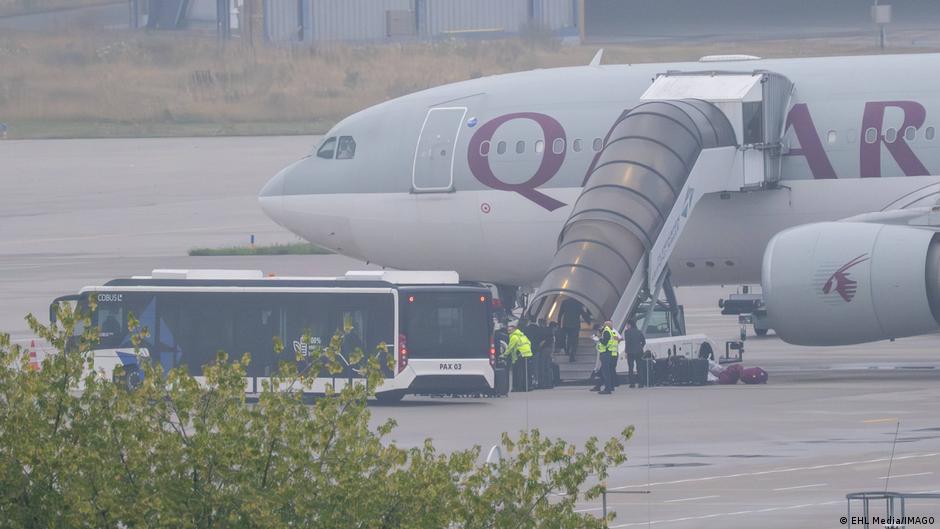
- EU invited Taliban officials for talks on Afghan migrant returns
- Brussels emphasized invitation doesn’t recognize Taliban authority
- Talks follow January technical meetings in Afghanistan
The European Commission invited officials from Afghanistan’s Taliban to Brussels for talks on deporting Afghan nationals who have been denied asylum in the European Union. European Commission spokesman Markus Lammert confirmed the invitation Tuesday, calling the planned Brussels meeting a follow-up to technical talks held in Afghanistan in January. Lammert emphasized the invitation ‘does not by any means constitute a recognition’ of the Taliban as Afghanistan’s government.
The European Union does not formally recognize the Taliban’s leadership, which returned to power in early 2021 following the NATO withdrawal. Brussels has faced repeated complaints from EU governments about the difficulty of deporting Afghan nationals whose asylum applications were rejected. Despite recent deportation flights from Germany and other European countries, officials say the process remains challenging.
The invitation follows growing pressure on EU member states to reduce the number of Afghan migrants with rejected asylum claims. Since the Taliban takeover, the EU has struggled to secure the cooperation needed to facilitate returns, citing security and logistical barriers in Afghanistan. The Brussels talks are expected to focus on practical steps to overcome these obstacles, according to Lammert.
Human rights organizations have criticized the move, arguing that forced returns to Afghanistan expose migrants to serious risks, including persecution and violence. The EU maintains that deportations only target individuals with no legal basis to stay, but critics question the safety of such returns under Taliban rule.
The European Commission has not detailed the specific Afghan officials invited or the agenda for the Brussels meeting. However, Lammert said the talks aim to address ‘technical and procedural challenges’ in deporting Afghan nationals. The EU has previously relied on bilateral agreements with third countries to facilitate returns, but no such arrangement currently exists with Afghanistan.
The invitation comes as EU member states debate stricter migration policies amid rising public concern over asylum claims. Meanwhile, the Taliban has consistently demanded the release of frozen Afghan assets and an end to sanctions, which Brussels views as separate from migration discussions. The outcome of the Brussels talks could influence future EU policies on Afghan asylum seekers and deportation procedures.
The invitation does not signal a shift in the EU’s stance on Taliban authority, but it reflects the bloc’s efforts to find workable solutions amid ongoing migration pressures.
What You Need to Know
- Source: Deutsche Welle
- Published: May 12, 2026 at 18:05 UTC
- Category: World
- Topics: #europe · #world-news · #taliban · #afghan · #afghanistan
Read the Full Story
This is a curated summary. For the complete article, original data, quotes and full analysis:
All reporting rights belong to the respective author(s) at Deutsche Welle. GlobalBR News summarizes publicly available content to help readers discover the most relevant global news.
Curated by GlobalBR News · May 12, 2026
Related Articles
- Eurovision 2024 faces scrutiny over Israel’s participation amid war
- US proposes 40% cut in Colorado River water for 3 states amid drought
- US charges man with plotting Iran-directed attacks on Jews in London and New York
🇧🇷 Resumo em Português
A União Europeia (UE) convidou líderes talibãs para uma rodada de negociações em Bruxelas, na Bélgica, com um objetivo controverso: discutir a deportação de migrantes afegãos que tentam chegar ao continente. A reunião, marcada por tensões diplomáticas, sinaliza uma estratégia arriscada da UE para conter o fluxo migratório, mesmo sem reconhecer oficialmente o governo instalado no Afeganistão desde 2021.
O convite aos talibãs, grupo fundamentalista que assumiu o poder no Afeganistão após a retirada das tropas americanas, gera polêmica entre defensores dos direitos humanos e analistas internacionais. A Comissão Europeia insiste que a participação dos representantes afegãos não implica qualquer tipo de reconhecimento ao regime, mas a decisão é vista como um recuo pragmático diante da pressão por controle fronteiriço. Para o Brasil e os países de língua portuguesa, a medida reforça o debate sobre a eficácia das políticas migratórias europeias, especialmente em um contexto de crise humanitária agravada pela instabilidade no Afeganistão e pelo avanço do tráfico de pessoas na região.
A expectativa agora é que as negociações avancem nos próximos meses, com possíveis acordos que poderiam redefinir o papel da diplomacia europeia em zonas de conflito.
🇪🇸 Resumen en Español
La Comisión Europea ha extendido una invitación sin precedentes a altos cargos del régimen talibán para negociar en Bruselas el retorno de migrantes afganos, una jugada que redefine el tablero geopolítico en plena crisis migratoria. La iniciativa, inédita desde que los talibanes tomaron el control de Afganistán en 2021, busca encontrar un equilibrio entre la presión humanitaria y la realpolitik, sin otorgar legitimidad formal al gobierno islamista.
El encuentro, que se enmarca en una estrategia más amplia de la UE para frenar los flujos migratorios, llega en un momento de tensiones crecientes por la escalada de expulsiones desde países europeos. Aunque Bruselas insiste en que no reconoce al gobierno talibán, la sola participación en las conversaciones sienta un precedente polémico que podría normalizar el diálogo con un régimen acusado de graves violaciones de derechos humanos. Para los ciudadanos hispanohablantes, la noticia invita a reflexionar sobre cómo Europa intenta externalizar sus fronteras y qué costos éticos conlleva este tipo de acuerdos con actores no democráticos.
Deutsche Welle
Read full article at Deutsche Welle →This post is a curated summary. All rights belong to the original author(s) and Deutsche Welle.
Was this article helpful?


Discussion