China pledges $17B in annual US farm purchases through 2028 after Trump’s Beijing trip.
- China commits to $17B in annual US farm buys through 2028
- Both sides discussed cutting tariffs but no specifics released yet
- Trump’s Beijing trip was first by a US president in nearly 10 years
China will buy at least $17 billion of US agricultural products every year until 2028, the White House announced after President Donald Trump’s two-day summit in Beijing. That’s the biggest takeaway from the trip, which marked the first visit to China by a sitting U.S. president since George W. Bush in 2009. The White House’s fact sheet called the deal a major step toward easing trade tensions, though it didn’t mention tariffs—leaving that part of the talks still up in the air.
A day before the White House’s announcement, China’s Ministry of Commerce released its own version of the talks. It said both countries would cut tariffs on certain products, but didn’t say which ones or by how much. A ministry spokesperson confirmed that working groups were still hammering out the details. The lack of specifics left traders and farmers guessing what the actual impact might be.
Trump’s visit to Beijing was all about smoothing over rocky U.S.-China relations. At one point, the leaders even posed for photos with a golden retriever—Trump’s dog—before sitting down for talks. The White House fact sheet said both sides agreed Iran can’t be allowed to build nuclear weapons, called for keeping the Strait of Hormuz open for shipping, and insisted no country or group should be able to charge tolls on international waters. Those points suggest the leaders were also trying to align on security issues, not just trade.
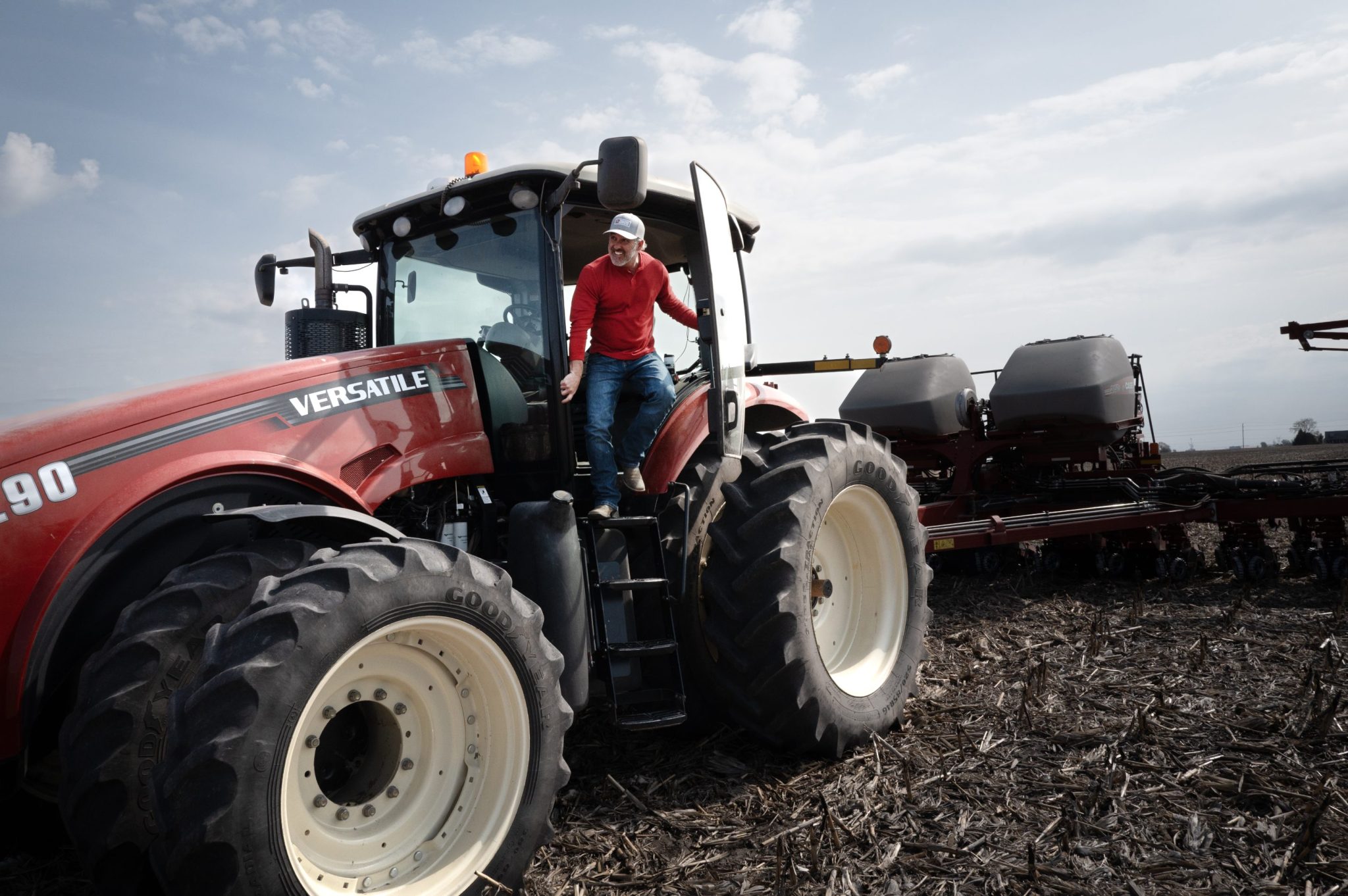
For American farmers, the $17 billion promise is a big deal. Last year, U.S. farm exports to China totaled about $20 billion, but those sales have been unpredictable due to tariffs and trade wars. Soybeans, corn, and pork took the biggest hits. If China follows through, it could mean steady demand for U.S. crops and livestock for years to come. Still, history shows trade deals with China often get delayed or scaled back. Farmers remember the 2020 phase-one deal that promised $36.5 billion in ag purchases—it never quite hit the target.
The tariff cuts, if they happen, could help too. China currently slaps 25% tariffs on U.S. soybeans and 28% on pork. Cutting those could make American products more competitive. But the Ministry of Commerce didn’t say which products would get relief or when. That makes it hard for businesses to plan. Analysts say the lack of details is typical for early-stage trade talks—both sides are testing the waters before committing.
The next big moment will be when the working groups finish their work. If they agree on tariff cuts, expect an announcement in the next few months. If not, the $17 billion farm deal could still go forward without tariff changes. Either way, the talks show both countries are trying to avoid another trade war, which hurt both economies. The question now is whether these promises turn into real deals—or just more empty statements.
What happens next in US-China trade talks
The real work starts now. Both sides have to turn these vague promises into concrete policies. If the tariff cuts happen, farmers and exporters will feel the difference fast. But if the talks drag on, China might not meet the $17 billion target. The last time the U.S. and China made big trade promises, only about half were kept. This time, both sides have more to lose if they fail.
Watch for updates in the next 60 days. The working groups are supposed to report back with details soon. If they don’t, expect more frustration from U.S. farmers and Chinese buyers alike. Trade wars don’t help anyone, but neither does broken promises. The next few months will tell us if this deal is for real—or just another headline.
What You Need to Know
- Source: Fortune
- Published: May 17, 2026 at 18:24 UTC
- Category: Business
- Topics: #fortune · #business · #economy · #politics · #government · #china
Read the Full Story
This is a curated summary. For the complete article, original data, quotes and full analysis:
All reporting rights belong to the respective author(s) at Fortune. GlobalBR News summarizes publicly available content to help readers discover the most relevant global news.
Curated by GlobalBR News · May 17, 2026
Related Articles
- Zillow’s remote-only hiring brings in talent from all 50 states
- Your fixed mortgage payment keeps rising — here’s why
- Why working-class voices matter for UK culture and media
🇧🇷 Resumo em Português
A China acaba de fechar um acordo histórico com os Estados Unidos, garantindo a compra de pelo menos US$ 17 bilhões em produtos agrícolas americanos anualmente até 2028, colocando em xeque a dependência brasileira do mercado chinês. A notícia, anunciada após a cúpula entre os presidentes Donald Trump e Xi Jinping, sinaliza uma reconfiguração do comércio global, com potencial para redesenhar as relações comerciais entre as maiores economias do mundo.
O acordo representa um golpe na estratégia brasileira de escoar sua produção agrícola, especialmente soja e carnes, para a China, que responde por cerca de 30% das exportações do setor no país. Enquanto o Brasil comemora recordes nas vendas externas, a perspectiva de um fornecimento estável e em grande volume dos EUA pode reduzir a margem de manobra do agronegócio brasileiro, pressionando preços e competitividade. Além disso, a redução de tarifas sobre produtos americanos — como carne suína e lácteos — pode abrir caminho para uma maior presença de concorrentes no mercado chinês, tradicionalmente dominado por fornecedores do Mercosul.
O impacto dessa decisão ainda é incerto, mas uma coisa é clara: o Brasil precisará urgentemente diversificar seus parceiros comerciais ou apostar em diferenciação de qualidade para manter sua fatia no maior mercado consumidor de alimentos do mundo.
🇪🇸 Resumen en Español
Tras el encuentro entre Donald Trump y las autoridades chinas en Pekín, Washington y Pekín cerraron un acuerdo histórico que obliga a China a adquirir al menos 17.000 millones de dólares anuales en productos agrícolas estadounidenses hasta 2028, al tiempo que se reducen los aranceles impuestos por Washington. La medida busca desactivar tensiones comerciales que han golpeado a los agricultores estadounidenses desde 2018, pero también abre interrogantes sobre su impacto real en los mercados globales y en las economías dependientes de las exportaciones alimentarias.
El pacto supone un alivio temporal para el sector agroexportador de EE.UU., ahogado por los aranceles chinos que redujeron sus ventas a mínimos históricos, pero su efecto práctico dependerá de que Pekín cumpla con los volúmenes comprometidos. Para los países hispanohablantes, especialmente aquellos con economías agrícolas como Argentina, Brasil o México, la noticia es una señal de alerta: China podría priorizar ahora las compras en EE.UU., reduciendo su demanda en otros mercados y presionando los precios de commodities clave como la soja o el maíz. Además, la flexibilización arancelaria entre Washington y Pekín podría reconfigurar cadenas globales de suministro, dejando a competidores regionales en una posición más vulnerable.
Fortune
Read full article at Fortune →This post is a curated summary. All rights belong to the original author(s) and Fortune.
Was this article helpful?


Discussion