Watch Warsh’s first Fed meeting for signals on rate cuts or hikes amid AI’s economic shakeup.
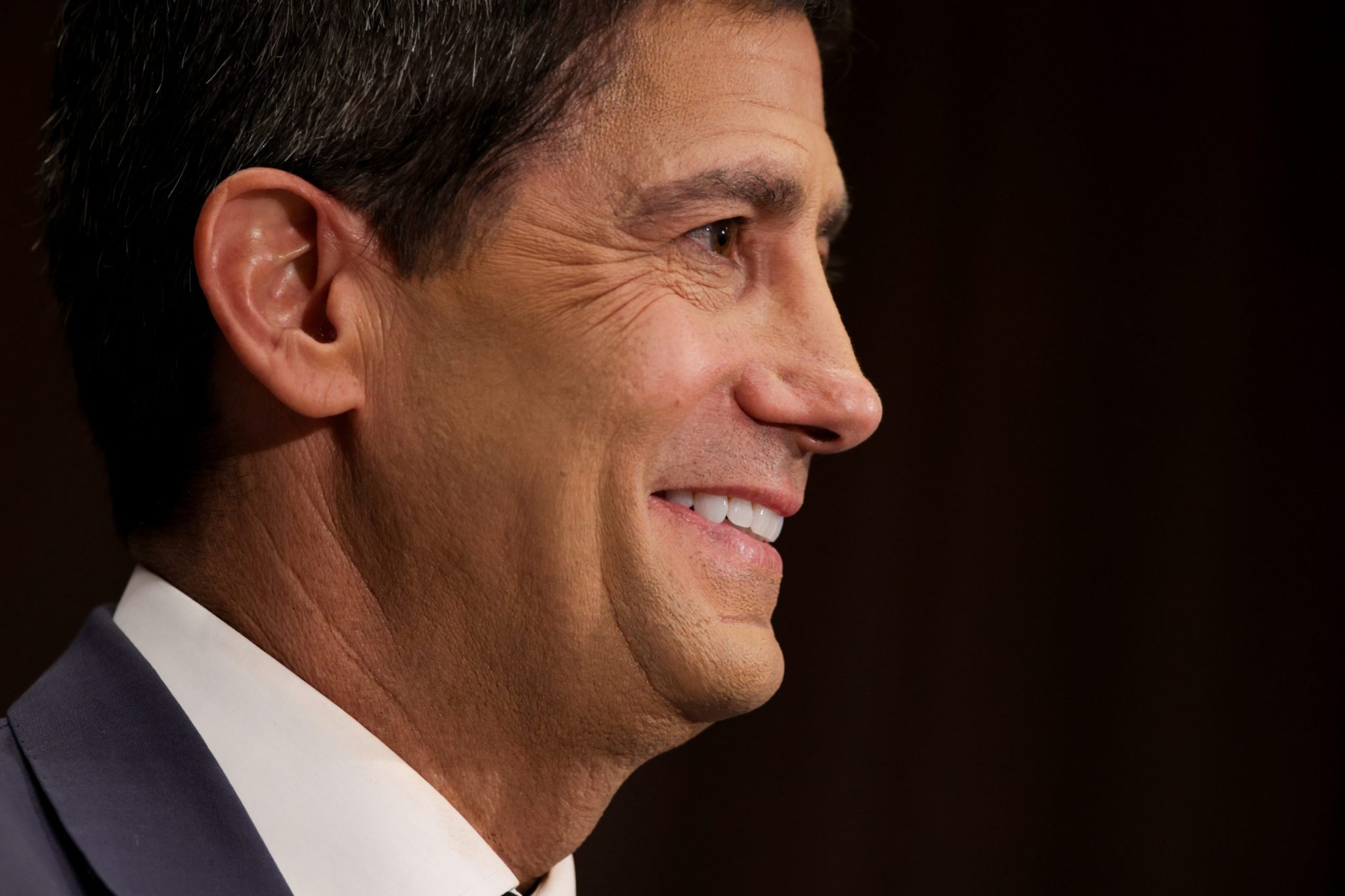
- Warsh inherits a Fed balancing AI disruption with inflation cooling
- Republicans backed his nomination while Democrats stayed critical
- Markets are parsing his stance on interest rates and debt costs
Kevin Warsh Federal Reserve chair officially started his term as the Fed’s leader Wednesday, stepping into a role that’s as tense as it is high-stakes. Inflation’s finally easing after two years of price spikes, but the economy’s still got plenty of moving parts. Warsh takes over just as AI’s starting to rewrite how businesses and workers operate. Goldman Sachs estimates that generative AI could automate up to 25% of tasks in white-collar jobs over the next decade. That’s a huge deal for a Fed chair who’s supposed to keep the economy steady but not kill growth by over-tightening rates. Wall Street’s watching closely because Warsh’s early moves could signal whether the Fed will cut rates soon or hold them steady to keep inflation in check. His first policy meeting as chair is in mid-March, and traders are already pricing in a 50% chance of a rate cut by June. That’s a big swing from just a few weeks ago when most bets were on rates staying put through summer. Warsh’s Senate hearing last month didn’t give much away. Republicans backed him hard, but Democrats stayed skeptical, especially on his ties to Silicon Valley and his past criticism of the Fed’s aggressive rate hikes under his predecessor. He’s not exactly a household name outside finance circles, but Warsh’s no rookie. He served on the Fed’s board from 2006 to 2011 and later advised the Trump administration on economic policy. His critics say he’s too cozy with big tech; his supporters argue he’s just the steady hand the Fed needs right now. Either way, his first real test comes fast. The Fed’s next policy statement drops March 20, and markets will dissect every word for hints about rate cuts. Warsh’s also got to manage expectations on the national debt. Interest payments on U.S. debt just hit $1 trillion a year for the first time, and the Fed’s decisions directly influence those costs. If Warsh signals even a hint of dovishness—like cutting rates soon—it could ease pressure on borrowers but also fuel concerns about inflation flaring up again. ## Warsh’s three biggest early tests The first thing markets want to know is how Warsh will handle the Fed’s dual mandate: keeping prices stable and unemployment low. Inflation’s cooled from its 9.1% peak in 2022 to 3.4% in December, but services like rent and healthcare are still climbing. Warsh’s got to decide whether to prioritize fighting inflation’s last gasp or risk choking off growth by keeping rates high. His second big test is AI’s role in the economy. The tech’s advancing faster than most policymakers can keep up, and it’s already starting to disrupt industries from finance to media. Warsh’s spoken about the need for “adaptive” policy, which likely means staying flexible as AI’s impact becomes clearer. That could mean avoiding sudden rate shocks that might spook markets already jittery about recession risks. The third test is geopolitics. Warsh takes over as tensions with China and Russia are heating up, and those conflicts could spill into energy markets or supply chains—both of which the Fed has to monitor. Warsh’s got to balance keeping the U.S. economy stable while not ignoring the global storm clouds. ## What Wall Street’s really watching right now Traders aren’t just worried about rates. They’re also eyeing Warsh’s tone on the Fed’s balance sheet. The central bank’s been shrinking its $9 trillion bond portfolio for over a year, but Warsh’s said he’s open to slowing that process if markets get too stressed. That’s a big deal for banks and mortgage lenders who’ve been squeezed by higher borrowing costs. Then there’s the debt ceiling drama. Congress has to raise the debt limit by late spring or risk a government default, and Warsh’s Fed could be pulled into the political crossfire if markets panic. His response to that pressure will tell us a lot about how he balances independence with reality. Finally, there’s the question of whether Warsh will keep the Fed’s post-meeting press conferences. His predecessor, Jerome Powell, started them in 2018 to make the Fed more transparent. Warsh’s never weighed in on them publicly, but scrapping them would be a major shift. Analysts at JPMorgan warn that if Warsh ditches the conferences, it could make markets more volatile because traders won’t get the usual clarity after policy meetings. What happens next? Warsh’s first month is already packed. He’s got to name his key Fed lieutenants, set the agenda for the March meeting, and start preparing for the next economic shock—whether it’s a banking crisis, a China-Russia escalation, or another AI-driven market shakeup. The Fed’s also due to release its updated economic forecasts in March, and those will show how Warsh expects growth, inflation, and unemployment to evolve. For now, the message from Wall Street is simple: Watch his actions, not his words. Warsh’s got the chance to prove he’s not just a placeholder chair, but someone who can guide the Fed through one of its trickiest periods in decades.
What You Need to Know
- Source: Fortune
- Published: May 17, 2026 at 08:00 UTC
- Category: Business
- Topics: #fortune · #business · #economy · #war · #conflict · #wall-street
Read the Full Story
This is a curated summary. For the complete article, original data, quotes and full analysis:
All reporting rights belong to the respective author(s) at Fortune. GlobalBR News summarizes publicly available content to help readers discover the most relevant global news.
Curated by GlobalBR News · May 17, 2026
🇧🇷 Resumo em Português
O mercado financeiro global respira aliviado — e com um pé atrás — com a chegada de Kevin Warsh à presidência do Federal Reserve (Fed), o banco central dos Estados Unidos, em um momento em que a economia americana oscila entre o medo de uma recessão e a esperança de um pouso suave. A nomeação de Warsh, ex-membro do Fed e próximo ao ex-presidente Donald Trump, sinaliza uma guinada em relação à política monetária ultra-flexível de Jerome Powell, com potenciais impactos diretos no Brasil, especialmente em um ano em que o dólar e os juros externos ainda são os principais vilões da inflação e do crescimento nacional.
Warsh, conhecido por defender taxas de juros mais altas por mais tempo, chega ao comando do Fed justamente quando a inflação nos EUA mostra sinais de arrefecimento, mas ainda acima da meta de 2%. Para o Brasil, isso pode significar um ambiente externo menos benigno: se o Fed mantiver a postura dura, o real tende a sofrer mais pressão, encarecendo importações e complicando a vida do Banco Central brasileiro, que já luta para manter a inflação controlada sem sufocar a economia. Além disso, investidores estrangeiros podem redirecionar recursos para títulos americanos, reduzindo a liquidez global e aumentando o custo de financiamento para países emergentes como o nosso.
Se a estratégia de Warsh não der resultados rápidos, o Fed pode ser obrigado a recuar — e, nesse caso, o Brasil poderia respirar um pouco mais aliviado.
🇪🇸 Resumen en Español
El relevo en la Reserva Federal de Estados Unidos ha puesto a Kevin Warsh al frente de un momento decisivo para la economía global, con Wall Street pendiente de cada uno de sus primeros movimientos.
Warsh, que llega con un perfil más cercano a las posturas tradicionales de la Fed que a las políticas expansivas de su predecesor, hereda una economía en plena desaceleración y un mercado laboral que, aunque resistente, muestra señales de enfriamiento. Su estilo, marcado por un escepticismo hacia las medidas ultraexpansivas como los tipos negativos o la compra masiva de activos, podría acelerar el ajuste monetario o incluso abrir la puerta a subidas de tipos antes de lo previsto, algo que afectaría directamente a los mercados financieros y al crédito en el mundo hispanohablante. Además, su relación con la administración Trump añade incertidumbre política, mientras los inversores analizan si su gestión priorizará la estabilidad de precios sobre el crecimiento, un debate clave para economías emergentes como las de Latinoamérica, muy dependientes de las decisiones de la Fed.
Fortune
Read full article at Fortune →This post is a curated summary. All rights belong to the original author(s) and Fortune.
Was this article helpful?

Discussion