Pentagon should free up mid-band spectrum for commercial use to save billions and strengthen security.
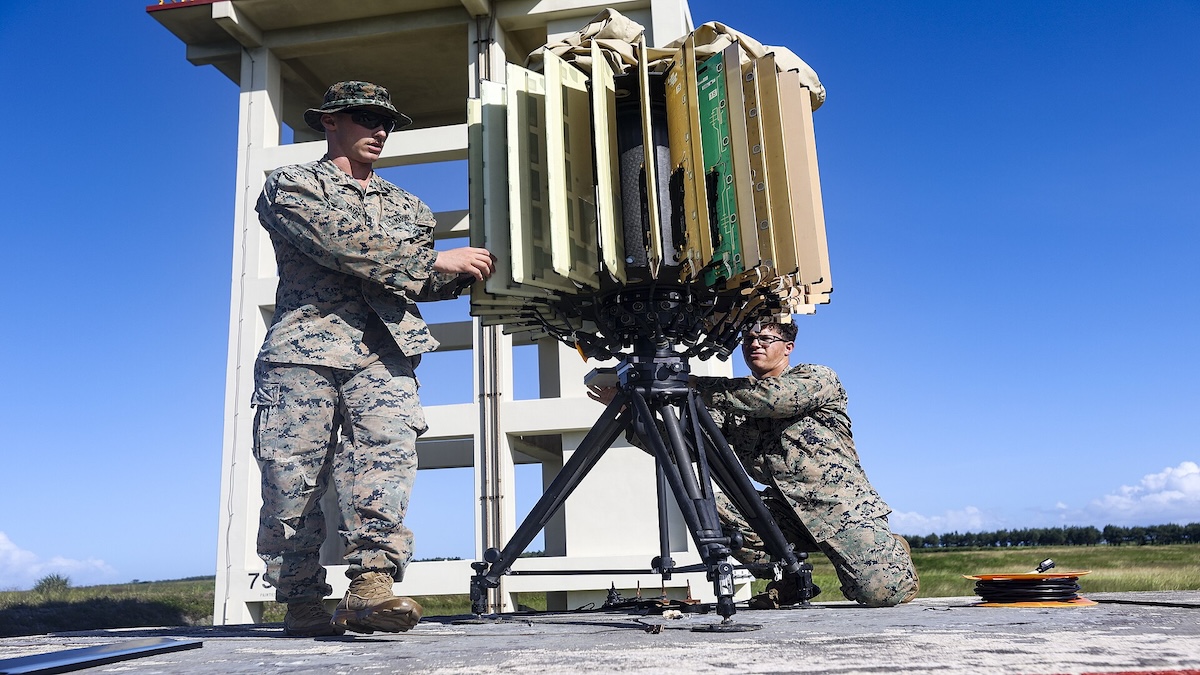
- Military wastes mid-band spectrum frequencies worth billions
- Commercial 5G could benefit from freed spectrum
- Allies and national security gain from reallocation
The U.S. military’s approach to electromagnetic spectrum policy is costing the nation billions while weakening its strategic position, according to a new analysis published by War on the Rocks. The Pentagon currently reserves prime mid-band frequencies—critical for 5G networks—for low-throughput national security uses like radar, satellite communications and electronic warfare. Experts argue this policy reflects outdated priorities rather than strategic optimization, leaving billions in economic and security benefits untapped.
Mid-band spectrum: A wasted resource
Mid-band spectrum is the sweet spot for 5G networks, offering a balance of speed and coverage. Yet the Department of Defense (DoD) controls roughly 30% of the most valuable mid-band frequencies in the U.S., despite using only a fraction of their capacity for high-priority missions. This hoarding prevents commercial providers like AT&T and Verizon from expanding 5G networks, stifling innovation and economic growth.
The mismatch became stark during the Russia-Ukraine war, where commercial drones and communications played a decisive role. Iranian-made drones, costing as little as $20,000, have forced the U.S. to spend millions on missiles to counter them—a symptom of broader inefficiencies in military spending and spectrum allocation. Experts say the DoD’s spectrum policy is equally outdated, prioritizing legacy systems over modern strategic needs.
Pentagon resists change despite mounting pressure
The DoD has long defended its spectrum holdings, citing national security concerns. However, the analysis highlights that many mid-band frequencies are underutilized for their intended purposes. For example, some radar systems operate in bands that could support thousands of 5G base stations. Even when frequencies are used, they often do so inefficiently, leaving vast gaps in coverage and capability.
Allies like South Korea and Japan have aggressively repurposed spectrum for commercial use, reaping economic and technological benefits. The U.S., by contrast, lags in mid-band availability, ceding leadership in 5G to China and Europe. The Pentagon’s reluctance to adapt stems from institutional inertia, not strategic necessity, the authors argue.
Reallocation could save billions, boost security
Shifting to a commercial-first spectrum model would unlock billions in economic activity while strengthening national security. Freeing up mid-band frequencies would accelerate 5G deployment, enabling smarter cities, autonomous vehicles and advanced manufacturing. It would also allow the DoD to focus its spectrum holdings on truly critical missions, such as electronic warfare and secure communications.
The Federal Communications Commission (FCC) has already begun auctioning mid-band spectrum, but progress is slow due to Pentagon resistance. A 2023 report by the National Telecommunications and Information Administration estimated that reallocating just 100 MHz of mid-band spectrum could generate $50 billion in economic benefits over a decade. The DoD’s current approach risks squandering this potential.
What happens next? A policy shift or more delays
The Biden administration has signaled support for spectrum reform, but the Pentagon remains a major obstacle. Lawmakers on Capitol Hill, including members of the House Armed Services Committee, are pushing for change. Bills like the Spectrum Innovation Act aim to streamline the process, but their fate hinges on DoD approval.
Without action, the U.S. risks falling further behind in 5G leadership while wasting a resource that could address both economic and security challenges. The analysis concludes that the Pentagon’s spectrum policy is not just inefficient—it’s a strategic liability.
What You Need to Know
- Source: War on the Rocks
- Published: April 24, 2026 at 08:00 UTC
- Category: War
- Topics: #defense · #military · #geopolitics · #war · #conflict · #airwaves
Read the Full Story
This is a curated summary. For the complete article, original data, quotes and full analysis:
All reporting rights belong to the respective author(s) at War on the Rocks. GlobalBR News summarizes publicly available content to help readers discover the most relevant global news.
Curated by GlobalBR News · April 24, 2026
Related Articles
- Wembanyama’s Spurs reach Western finals, Pistons stay alive in NBA playoffs
- 🎉 250 Articles in War!
- 🎉 100 Articles in War!
🇧🇷 Resumo em Português
O uso de frequências de rádio pela Defesa dos EUA está desperdiçando faixas valiosas que poderiam impulsionar a tecnologia 5G no mundo, incluindo o Brasil, segundo um estudo recém-divulgado. Pesquisadores e especialistas em segurança nacional alertam que a política atual do Pentágono — que reserva faixas de espectro para uso militar sem explorar seu potencial comercial — não só atrasa a inovação tecnológica global, mas também fragiliza a segurança dos aliados, que ficam dependentes de soluções menos ágeis.
O relatório, produzido por instituições de defesa e telecomunicações dos EUA, revela que as faixas de espectro de banda média, essenciais para a expansão do 5G, estão sendo subutilizadas devido à resistência do Exército americano em compartilhar ou liberar recursos. Para o Brasil, que busca modernizar sua infraestrutura de telecomunicações e reduzir a dependência de fornecedores estrangeiros, a questão é estratégica: a liberação dessas frequências poderia acelerar a implementação do 5G em áreas críticas, como saúde, educação e indústria, além de fortalecer parcerias com Washington em segurança cibernética e defesa.
A pressão sobre o Pentágono já começa a ganhar força no Congresso dos EUA, com propostas para reavaliar a alocação de espectro militar — e o Brasil deve acompanhar de perto os desdobramentos, pois mudanças nesse cenário podem redefinir não apenas o futuro das telecomunicações, mas também a soberania tecnológica do país.
🇪🇸 Resumen en Español
El Pentágono estudia liberar espectro radioeléctrico clave para impulsar el 5G comercial, según un informe que revela el potencial desaprovechado de frecuencias militares en banda media, esenciales tanto para la conectividad avanzada como para la seguridad nacional. La propuesta, avalada por expertos, subraya un cambio estratégico ante la creciente demanda de ancho de banda y la obsolescencia de modelos actuales que priorizan el control exclusivo de las Fuerzas Armadas.
El informe, elaborado por el Center for Strategic and International Studies (CSIS), advierte que la rigidez del Pentágono en la gestión del espectro —heredada de la Guerra Fría— frena la innovación tecnológica y debilita la competitividad estadounidense frente a potencias como China. Para los países hispanohablantes, la decisión podría acelerar el despliegue de redes 5G más eficientes y baratas, aunque también plantea riesgos en ciberseguridad si el acceso comercial no se regula con estándares estrictos. Además, abre un debate sobre cómo equilibrar la soberanía militar con las necesidades de una economía digitalizada, un desafío que trasciende fronteras y redefine el futuro de las telecomunicaciones globales.
War on the Rocks
Read full article at War on the Rocks →This post is a curated summary. All rights belong to the original author(s) and War on the Rocks.
Was this article helpful?



Discussion