U.S. and Nigerian forces kill Islamic State’s second-in-command Abu-Bilal al-Minuki in rare joint raid.
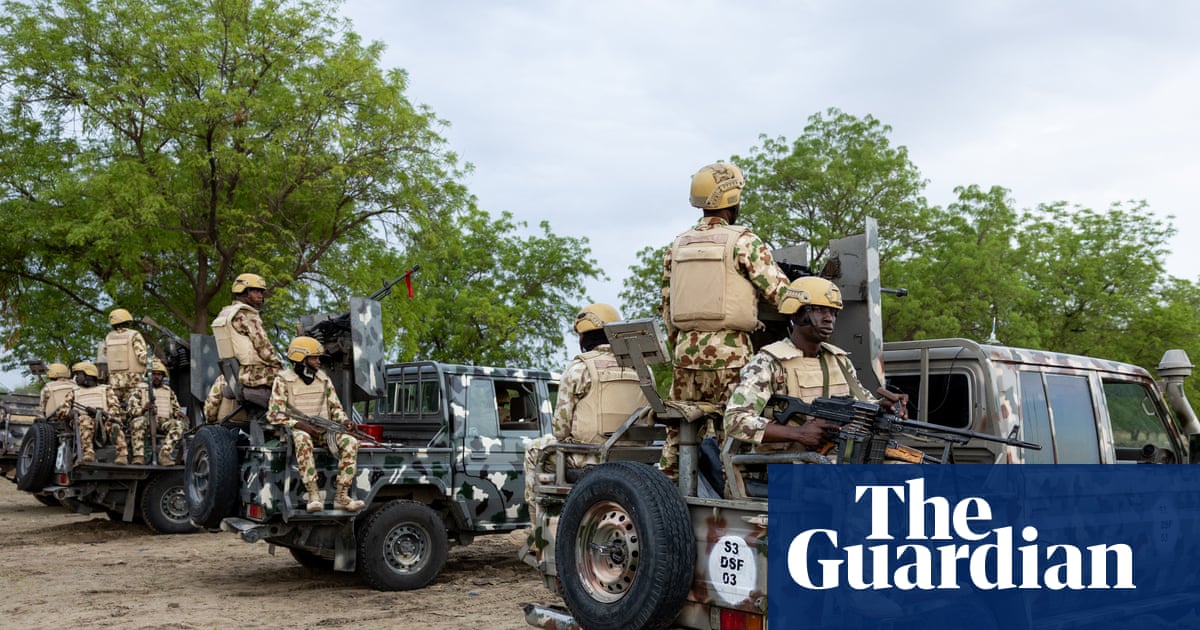
- U.S. and Nigerian forces kill Islamic State’s second-in-command Abu-Bilal al-Minuki
- Operation conducted under direct order from President Donald Trump
- Al-Minuki described as Islamic State’s most active global leader
📰 Continuing coverage: US, Nigeria kill Islamic State’s second-in-command in Nigeria
U.S. and Nigerian forces killed Abu-Bilal al-Minuki, a top leader of the Islamic State, in a high-stakes counterterrorism operation late Friday, President Donald Trump announced on Truth Social. Al-Minuki, identified as the group’s second-in-command, was described by Trump as the ‘most active terrorist in the world.’ The operation was conducted under the president’s direct orders and involved careful coordination between American and Nigerian military units.
The mission unfolded in a remote region of Nigeria, where al-Minuki was reportedly hiding. Trump characterized the operation as ‘very complex’ and praised the ‘brave American forces and the Armed Forces of Nigeria’ for flawlessly executing the plan. The U.S. has not confirmed the exact location or the specific units involved, but the operation highlights growing counterterrorism cooperation between Washington and Abuja.
Islamic State’s leadership under pressure
The killing of al-Minuki marks another significant blow to the Islamic State’s global network, which has been steadily degraded since the collapse of its self-declared caliphate in 2019. Intelligence agencies have tracked al-Minuki’s movements for years, noting his role in coordinating attacks, fundraising and recruitment across Africa, the Middle East and Europe. His elimination is expected to disrupt the group’s operations, though officials warn that Islamic State affiliates remain active in several regions.
Trump’s announcement came hours after the operation’s completion, signaling a rare public acknowledgment of a covert military mission. Such disclosures are uncommon, as the U.S. typically avoids confirming counterterrorism operations to protect operational details. Nigerian authorities have not yet issued a formal statement, but local media reported heavy military activity in the area where the strike occurred.
Broader implications for counterterrorism efforts
The joint operation underscores the increasing collaboration between the U.S. and African nations in combating extremist groups. Nigeria, facing persistent threats from Boko Haram and Islamic State’s West Africa Province, has relied on U.S. intelligence and logistical support in recent years. The success of this mission could strengthen military ties between the two countries and bolster efforts to dismantle regional terror networks.
Analysts caution, however, that the death of a single leader rarely dismantles an entire organization. Islamic State affiliates in the Sahel, Somalia and Mozambique continue to pose threats, and the group has repeatedly demonstrated resilience through decentralized leadership. The U.S. and its allies are expected to maintain pressure on remaining cells, particularly in areas with weak governance.
The operation also raises questions about the future of U.S. counterterrorism strategy in Africa. While the Trump administration has emphasized a ‘maximum pressure’ approach, President Joe Biden’s policies have shifted toward a more measured engagement. The killing of al-Minuki may reignite debates over the effectiveness of targeted strikes versus broader stabilization efforts in conflict zones.
For now, the focus remains on verifying al-Minuki’s death and assessing the impact on Islamic State’s operations. Intelligence agencies will review captured materials and interrogate any surviving operatives to determine the extent of the disruption. The operation serves as a reminder of the persistent threat posed by extremist groups and the ongoing need for vigilance.
What You Need to Know
- Source: The Guardian
- Published: May 16, 2026 at 04:56 UTC
- Category: World
- Topics: #guardian · #world-news · #international · #politics · #government · #trump
Read the Full Story
This is a curated summary. For the complete article, original data, quotes and full analysis:
All reporting rights belong to the respective author(s) at The Guardian. GlobalBR News summarizes publicly available content to help readers discover the most relevant global news.
Curated by GlobalBR News · May 16, 2026
Related Articles
- Zimbabwe’s diaspora reshapes real estate and farming investment trends
- 🎉 250 Articles in World!
- Eurovision 2024 faces scrutiny over Israel’s participation amid war
🇧🇷 Resumo em Português
Em uma ação conjunta inédita entre forças americanas e nigerianas, o segundo homem mais poderoso do Estado Islâmico, Abu-Bilal al-Minuki, foi eliminado em uma operação de alto risco no norte da Nigéria. O anúncio, feito por fontes militares e de inteligência, confirma mais um duro golpe contra a organização terrorista, que mesmo enfraquecida mantinha influência na África Ocidental.
A missão, que reuniu tropas dos EUA e da Nigéria, destaca a crescente cooperação internacional no combate ao terrorismo na região, onde o Estado Islâmico tem expandido suas operações com ataques cada vez mais ousados. Para o Brasil, que enfrenta desafios próprios na segurança das fronteiras e no monitoramento de células extremistas, o episódio reforça a importância de alianças estratégicas contra grupos que ameaçam a estabilidade global. Além disso, a participação de forças nigerianas — país africano estratégico para a política externa brasileira — mostra como a segurança na África impacta diretamente os interesses nacionais.
O próximo passo deve ser a confirmação da identidade do líder morto e a análise de possíveis desdobramentos, como a reorganização do Estado Islâmico na região ou a intensificação de retaliações contra as forças envolvidas.
🇪🇸 Resumen en Español
En un operativo conjunto sin precedentes, las fuerzas estadounidenses y nigerianas han eliminado a Abu-Bilal al-Minuki, el segundo al mando del Estado Islámico, en un ataque relámpago en el este de África. La operación, que marca una de las pocas colaboraciones directas en la lucha contra el terrorismo entre ambos países, refuerza la estrategia de Washington para desmantelar la red yihadista en una región donde la influencia del grupo extremista ha crecido en los últimos años.
El éxito de la misión subraya la importancia de la cooperación internacional contra el terrorismo, especialmente en el Sahel, donde el Estado Islámico ha intensificado sus ataques en países como Nigeria y Chad. Para los hispanohablantes, este hecho recuerda la amenaza global que representan estos grupos, que no solo afectan a regiones remotas, sino que también pueden inspirar acciones violentas en Europa y América. Además, la participación de Nigeria, un país clave en África Occidental, destaca cómo la inestabilidad en la zona puede tener repercusiones globales, obligando a gobiernos como el español a reforzar su propia seguridad y alianzas antiterroristas.
The Guardian
Read full article at The Guardian →This post is a curated summary. All rights belong to the original author(s) and The Guardian.
Was this article helpful?



Discussion