Germany aims for top-five finish at 2026 World Cup while facing off-field challenges like ticket costs and geopolitical tensions.
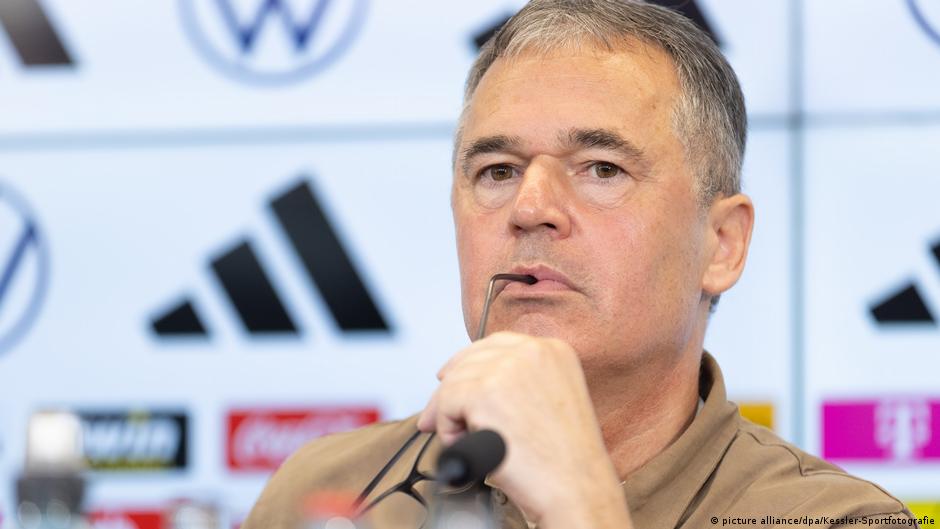
- Germany targets top-five finish at 2026 World Cup says DFB sport director
- Rettig admits preparation phase is decisive after two group-stage exits
- 2026 World Cup overshadowed by ticket prices and geopolitical concerns
The 2026 FIFA World Cup co-hosted by the United States, Canada and Mexico is less than two months away and the German Football Association (DFB) is under pressure to deliver on the pitch. Andreas Rettig, the DFB’s Director of Football, set a clear target for the national team: finish among the top five nations in the tournament’s final standings. ‘If we perform better than our current ninth-place FIFA World Ranking, that would be a success,’ Rettig said in an interview with Deutsche Welle on Friday. The 63-year-old executive acknowledged high anticipation despite reservations about the expanded 48-team format, which begins in June. Germany’s last two World Cup appearances ended in early group-stage exits, first in Russia 2018 and again in Qatar 2022, raising questions about the team’s readiness under new coach Julian Nagelsmann. ‘The goal would be for us to ultimately rank among the top five nations in the world,’ Rettig said, emphasizing that progress—not immediate glory—is the priority. The DFB’s focus remains on rebuilding a competitive squad while managing expectations at home, where World Cup disappointment has grown routine. Fans, however, face hurdles long before the first match. Rising ticket prices and reports of entry bans for fans from five participating nations have sparked global criticism. The tournament’s hosts are also grappling with geopolitical tensions, particularly in the United States, where debates over immigration and international relations are heating up ahead of kickoff. ## Germany’s World Cup preparation enters decisive phase after two early exits Germany enters the 2026 World Cup cycle with a record that demands reflection. Since winning the 2014 tournament in Brazil, the Mannschaft has failed to advance past the group stage in two consecutive World Cups. The trend has led to public scrutiny of player development pathways and coaching continuity within the DFB. Rettig, who oversees football operations at the Association, defended the current preparation model, citing a need for structural patience rather than rapid fixes. ‘We are in a rebuilding phase,’ he said, adding that youth integration and tactical evolution are central to long-term recovery. The DFB has invested in new academies and scout networks, but results on the pitch will determine whether the changes resonate with a frustrated fanbase. Off the field, critics have pointed to the 48-team format as a dilution of quality, arguing it dilutes competitive integrity and stretches already limited resources. Rettig expressed reservations about the format but stopped short of calling for a reversal, acknowledging FIFA’s commercial motivations. ‘We are preparing for the tournament as it is,’ he said, ‘but we believe smaller, elite competitions often produce better football.’ The expanded format means Germany will face tougher early opponents, including traditional rivals and rising nations from Africa and Asia. ## Off-field controversies threaten to steal spotlight from 2026 World Cup play The 2026 World Cup is already mired in off-field controversies that risk overshadowing the tournament’s sporting narrative. Ticket prices have surged beyond €1,500 for premium matches, pricing out many fans and drawing comparisons to the exclusivity seen during Qatar 2022. Five nations—including North Korea and Russia’s teams—have reportedly faced entry bans for players and supporters, raising concerns about athlete mobility and fan inclusion. In the United States, a political climate marked by immigration debates and international tensions has added another layer of complexity. Host cities like Los Angeles, New York and Atlanta are preparing for large-scale security operations amid fears of protests or disruptions. Rettig acknowledged the challenges but stressed the DFB’s role is to support the team and focus on football. ‘You can’t separate sports and politics,’ he told DW. ‘But our job is to ensure the players can perform without distraction.’ The DFB has also raised concerns about excessive local transport costs, particularly in major host cities, which could hinder fan mobility and stadium attendance. While FIFA has not released official transport pricing, reports from past tournaments suggest costs could exceed €200 for round-trip journeys between stadiums and hotels. The combination of rising costs, geopolitical friction and fan exclusion risks creating a tournament remembered more for its controversies than its sporting moments. ## What’s next for Germany and the 2026 World Cup With less than 60 days until the opening match, Germany’s path to redemption begins June 11 in Los Angeles, where they face Japan in the tournament opener. The Mannschaft is scheduled to play three group-stage games in the U.S., including a marquee clash with Spain in Dallas, before advancing—if at all—to the knockout rounds. Rettig confirmed the DFB is finalizing travel and accommodation plans, with a focus on fan accessibility and security. ‘We are working with FIFA and local organizers to ensure safe, affordable access for supporters,’ he said. ‘The goal is to give our team the best chance while respecting the spirit of the World Cup.’ Beyond logistics, the DFB faces pressure to address fan grievances, including calls for transparency in ticket distribution and pricing. Rettig hinted at ongoing discussions with stakeholders but offered no timeline for public policy changes. As the world’s most-watched sporting event approaches, the intersection of football and global politics will remain impossible to ignore. For Germany, the challenge is twofold: shed the label of underachiever on the pitch while navigating a tournament shrouded in controversy off it. The coming weeks will reveal whether the DFB’s dual focus can deliver both progress and peace on the world stage.
What You Need to Know
- Source: Deutsche Welle
- Published: May 15, 2026 at 15:15 UTC
- Category: World
- Topics: #europe · #world-news · #sports · #football · #world-cup
Read the Full Story
This is a curated summary. For the complete article, original data, quotes and full analysis:
All reporting rights belong to the respective author(s) at Deutsche Welle. GlobalBR News summarizes publicly available content to help readers discover the most relevant global news.
Curated by GlobalBR News · May 15, 2026
Related Articles
- US proposes 40% cut in Colorado River water for 3 states amid drought
- Trump urges Taiwan to avoid independence amid rising China tensions
- Xi gives Trump private tour of secret garden in Beijing
🇧🇷 Resumo em Português
A Alemanha mira não apenas o hexacampeonato na Copa do Mundo de 2026, mas também uma estratégia ambiciosa para reafirmar sua influência no futebol global, enquanto o diretor de futebol da DFB, Andreas Rettig, alerta que as tensões entre esporte e política estão mais intensas do que nunca. Em meio à escalada de conflitos diplomáticos e pressões sobre a realização do torneio — que será co-organizado pelo Canadá, México e Estados Unidos —, Rettig deixou claro que Berlim não vai abrir mão de seu protagonismo, seja dentro ou fora de campo. Com a Alemanha já classificada automaticamente como país-sede, o desafio agora é transformar a competição em uma vitrine de unidade, mas sem ignorar os ruídos geopolíticos que ameaçam ofuscar até mesmo o brilho do maior evento do esporte.
A advertência de Rettig ressoa fortemente no Brasil e em toda a comunidade lusófona, especialmente porque o país tem uma relação histórica com as tensões entre futebol e política — vide a polêmica envolvendo a realização da Copa de 2014 durante a crise econômica ou os debates sobre os direitos humanos na Copa de 2022 no Catar. Para o torcedor brasileiro, acostumado a ver o esporte como um espelho da sociedade, a discussão soa familiar: como equilibrar a paixão pelo jogo com as demandas éticas e sociais que pairam sobre megaeventos? Além disso, a escolha dos co-anfitriões da edição de 2026 — todos países com históricos de conflitos internos ou externos — coloca em xeque a capacidade da Fifa de manter o torneio como um momento de união, mesmo em meio a protestos e sanções internacionais.
Se a Alemanha conseguirá conciliar seus objetivos esportivos com as pressões políticas — ou se o Mundial de 2026 será mais uma vez palco de disputas ideológicas — ainda é uma incógnita, mas uma coisa é certa: o debate já começou, e não ficará restrito aos gramados.
🇪🇸 Resumen en Español
La selección alemana afronta el Mundial de 2026 con ambición deportiva, pero también con una advertencia clara: el fútbol y la política están condenados a cruzarse en la cita que se celebrará en suelo estadounidense, mexicano y canadiense. Andreas Rettig, director deportivo de la Federación Alemana de Fútbol (DFB), ha puesto sobre la mesa los objetivos deportivos de Die Mannschaft, pero también ha recordado que el torneo no será ajeno a las tensiones geopolíticas que ya planean sobre el evento.
Rettig subraya que, en un contexto global marcado por conflictos como la guerra en Ucrania o las tensiones en Oriente Medio, el deporte no puede mantenerse al margen de las realidades políticas. Para los aficionados hispanohablantes, este recordatorio adquiere especial relevancia, pues la Copa del Mundo 2026 promete ser un escenario de encuentro y desencuentro entre naciones con históricas rivalidades o alianzas. La DFB, consciente del peso simbólico que tendrá Alemania en el torneo, apuesta por un mensaje de unidad, pero sin ignorar que el balón rodará en un tablero donde los intereses trascienden lo deportivo.
Deutsche Welle
Read full article at Deutsche Welle →This post is a curated summary. All rights belong to the original author(s) and Deutsche Welle.
Was this article helpful?


Discussion