NASA says Artemis 3 will be its most complex mission ever due to a critical Earth-orbit test before the moon landing.
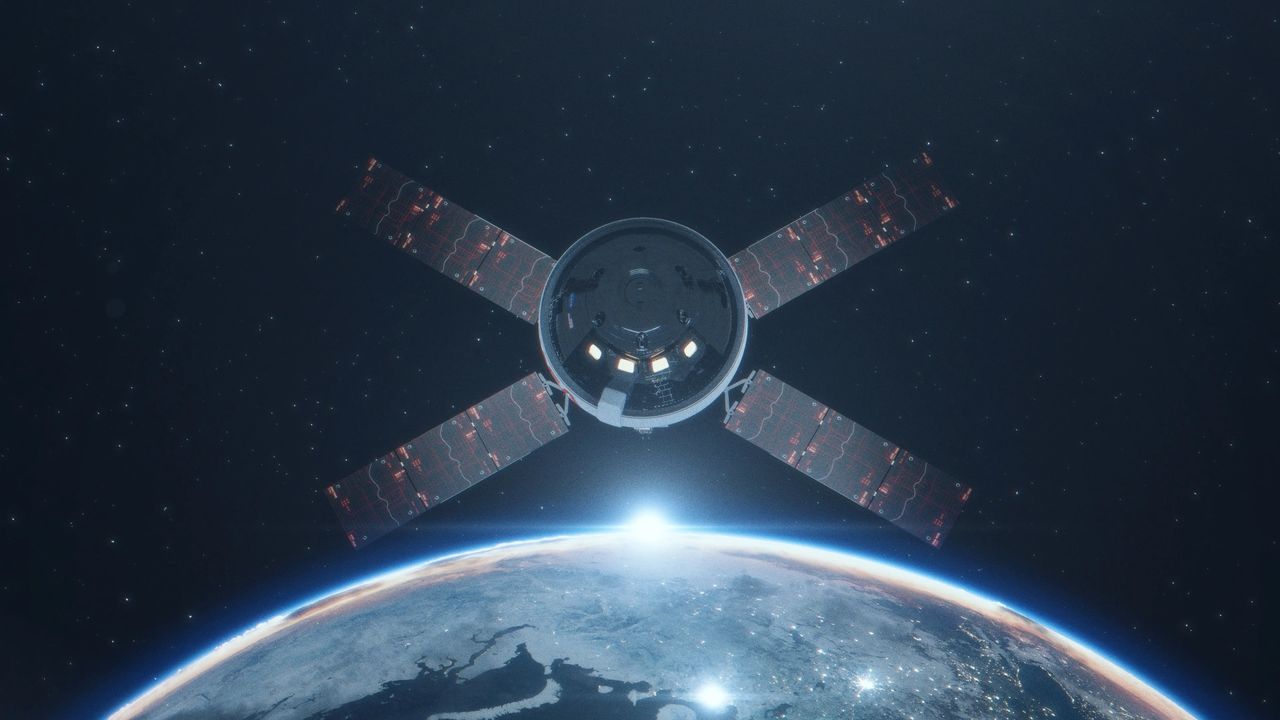
- Artemis 3 will rehearse orbital rendezvous and docking before the moon landing
- The Orion spacecraft faces acoustic testing ahead of its May 2026 launch
- Artemis 4’s moon landing depends on the success of this rehearsal
NASA’s Artemis 3 mission is shaping up to be one of the most complicated test flights the agency has ever attempted. The plan isn’t just to fly to the moon—it’s to rehearse the most dangerous parts of the mission while still in Earth’s orbit. Astronauts will practice docking and undocking procedures with a separate lunar lander before they even leave for the moon. It’s a high-risk strategy, but NASA says it’s the only way to make sure everything works when the real moon landing happens later that year on Artemis 4. The Orion spacecraft, which will carry the crew, is currently undergoing acoustic testing at NASA’s Kennedy Space Center to make sure it can handle the stress of launch and flight. The tests simulate the intense noise and vibration of a rocket blasting into space, something the spacecraft won’t survive if it’s not built right. If Artemis 3 fails, the entire Artemis program could face delays, since Artemis 4 relies on the same docking technology to land astronauts on the lunar surface for the first time in over 50 years. The stakes are that high. This isn’t just a test flight—it’s a full dress rehearsal with real lives on the line. NASA’s Artemis program is designed to return humans to the moon, but the agency isn’t taking shortcuts. Every step, from the launch to the moon landing, has to be perfect. That’s why Artemis 3 is practicing the most critical maneuvers in Earth’s orbit first. The Orion spacecraft will separate from its upper stage rocket, then hunt down and dock with a pre-positioned lunar lander. It’s a delicate ballet that requires split-second precision, especially since both vehicles will be moving at thousands of miles per hour. If the docking fails, the mission could be aborted before it even leaves Earth’s orbit. That’s why NASA is stress-testing the Orion spacecraft now. The acoustic testing in May 2026 is just the beginning. Engineers will also run through simulations of every possible failure scenario, from computer glitches to mechanical breakdowns. The goal isn’t just to make sure the spacecraft works—it’s to make sure it works when it absolutely has to. The Artemis program is NASA’s biggest bet on deep-space exploration in decades, and Artemis 3 is the first real test of whether the agency can pull it off. If it succeeds, humanity will be one step closer to a permanent presence on the moon. If it fails, the entire program could be grounded before it even gets off the ground. That’s why NASA is treating this mission like a full-scale emergency drill. The lunar lander for Artemis 3 is being built by SpaceX, the same company that’s already revolutionized spaceflight with its reusable rockets. But even SpaceX’s experience won’t matter if the docking system doesn’t work. NASA has spent years designing the hardware and software for this maneuver, but there’s no substitute for a real-world test. That’s why Artemis 3 is practicing in Earth’s orbit first—it’s the closest thing to the real thing without leaving the planet. The mission is also a test of NASA’s new lunar timeline. The agency has promised to land astronauts on the moon by 2026, but that’s an aggressive schedule. Artemis 3 is supposed to prove that the agency can meet that deadline. If it doesn’t, the moon landing could be pushed back, giving China’s space program a potential advantage in the new space race. That’s why every detail of Artemis 3 matters, from the acoustic tests to the docking rehearsals. NASA isn’t just building a spacecraft—it’s building a moon landing.
What You Need to Know
- Source: Space.com
- Published: May 14, 2026 at 12:00 UTC
- Category: Science
- Topics: #space · #astronomy · #nasa · #science · #artemis · #earth
Read the Full Story
This is a curated summary. For the complete article, original data, quotes and full analysis:
All reporting rights belong to the respective author(s) at Space.com. GlobalBR News summarizes publicly available content to help readers discover the most relevant global news.
Curated by GlobalBR News · May 14, 2026
Related Articles
- 5 Ways to Vet Social Media Health Advice Before Trying It
- Your Body Clock May Enhance The Benefits of Exercise, Study Finds
- Study finds yawns contagious before birth, even more than thought
🇧🇷 Resumo em Português
A NASA acaba de revelar detalhes que transformam a missão Artemis 3 em um marco ainda mais ousado da exploração espacial: pela primeira vez em mais de 50 anos, astronautas pousarão na Lua, mas antes precisam dominar uma coreografia orbital tão complexa que a própria agência classifica o voo como sua empreitada mais desafiadora desde a Apollo.
O objetivo não é apenas repetir o feito de 1969, mas sim testar em órbita terrestre manobras críticas que serão essenciais para o pouso lunar programado para 2026. Isso inclui acoplagens automáticas, reabastecimento em pleno espaço e operações com o módulo Starship da SpaceX, que servirá como pousador lunar. Para o Brasil, que participa do programa Artemis por meio de acordos com a NASA e já contribui com pesquisas em ciência espacial, essa missão é uma vitrine de oportunidades — desde o desenvolvimento de tecnologias nacionais até a formação de novos cientistas e engenheiros. Além disso, o sucesso da Artemis 3 pode redefinir o papel do país no cenário global da exploração espacial, reforçando parcerias e atraindo investimentos.
Se tudo der certo, os próximos passos serão ainda mais ambiciosos: a construção de uma base lunar permanente e, quem sabe, a primeira missão tripulada a Marte.
🇪🇸 Resumen en Español
La NASA afronta uno de sus desafíos más ambiciosos en décadas con la misión Artemis 3, que no solo marcará el regreso de astronautas a la Luna, sino que incluirá una compleja coreografía orbital para probar tecnologías clave antes del alunizaje previsto en 2026.
La agencia espacial estadounidense justifica su calificación de “misión más compleja” por la combinación de innovaciones: desde el acoplamiento en órbita lunar con la estación Gateway hasta el uso del módulo Starship de SpaceX como transporte a la superficie lunar. Para el público hispanohablante, este hito no es solo un avance científico, sino una oportunidad para reafirmar el liderazgo global en exploración espacial, además de inspirar a nuevas generaciones de científicos e ingenieros en nuestra región. La colaboración internacional y el desarrollo de tecnología sostenible —como el aprovechamiento de recursos lunares— podrían redefinir el futuro de la humanidad más allá de la Tierra.
Space.com
Read full article at Space.com →This post is a curated summary. All rights belong to the original author(s) and Space.com.
Was this article helpful?



Discussion