SpaceX fuels Starship V3 for the first time ahead of a planned May 19 test flight.
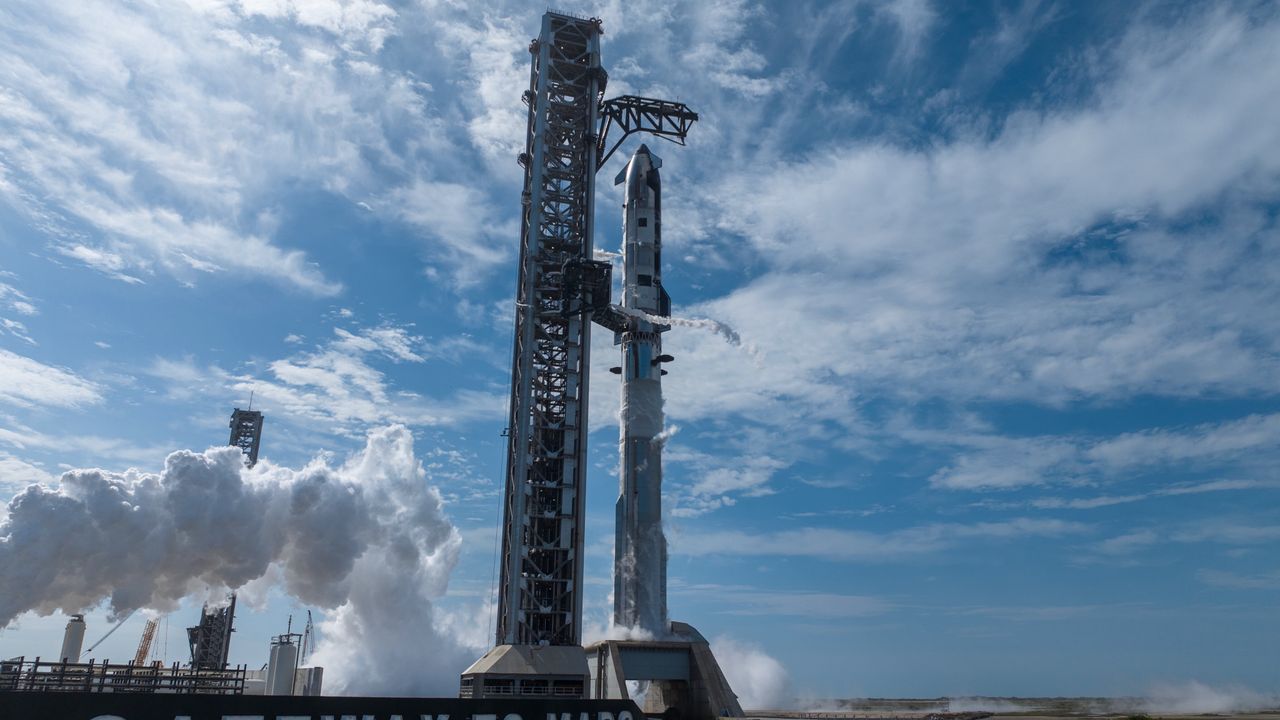
- SpaceX fuels Starship V3 megarocket for first time ever
- Test flight targeting May 19 launch date
- Photos show full rocket stack before orbital test
SpaceX has completed the first fueling test of its upgraded Starship V3 megarocket, a milestone ahead of its next orbital flight attempt scheduled for May 19. The company shared images of the fully stacked rocket, showing the integration of the Ship upper stage with the Super Heavy booster. This marks the first time the new V3 configuration has undergone a full fueling rehearsal, a key step in validating its readiness for launch.
The Starship V3 represents an incremental but significant upgrade to SpaceX’s Starship program, which aims to reduce costs and improve reliability. The latest version includes structural refinements and performance enhancements over previous iterations, though specifics remain undisclosed. The fueling test involved loading thousands of gallons of liquid methane and liquid oxygen propellants into both the Ship and Super Heavy stages, simulating pre-launch conditions.
Starship V3 Prepares for Flight After Successful Fueling
Photos released by SpaceX show the rocket in its launch configuration, with the Ship upper stage positioned atop the Super Heavy booster. The fueling test follows earlier static fire tests of individual components, including the Raptor engines designed to power the vehicle. Engineers have conducted multiple sub-system checks to ensure all systems are operational before the final countdown.
SpaceX has not confirmed the exact launch window for May 19, but regulatory filings with the Federal Aviation Administration suggest the company is targeting this date barring any technical delays. The upcoming flight will test the rocket’s ascent, stage separation, and potential reentry maneuvers, building on lessons from previous test flights that ended in explosions.
Starship’s Role in SpaceX’s Long-Term Plans
The Starship program is central to SpaceX’s ambitions, including crewed missions to Mars and rapid point-to-point Earth travel. The V3 iteration introduces changes aimed at increasing payload capacity and reducing refurbishment time between flights. SpaceX CEO Elon Musk has previously stated that the company aims to achieve rapid reusability, a goal that could drastically lower the cost of space travel.
The May 19 test flight will also serve as a critical validation step for NASA’s Artemis program, which plans to use a modified Starship as the lunar lander for astronaut missions. A successful flight would boost confidence in the vehicle’s reliability ahead of its role in returning humans to the moon.
What’s Next for SpaceX’s Starship Program
Following the fueling test, SpaceX will review data to address any anomalies before proceeding with the launch. If the May 19 attempt is scrubbed, backup dates have been identified, though none have been publicly confirmed. The company has emphasized a cautious but aggressive timeline, aiming to demonstrate consistent progress toward full operational status.
The broader implications of a successful Starship V3 flight extend beyond SpaceX’s immediate goals. It could accelerate the commercial space industry’s shift toward larger, more capable rockets, while also serving as a testbed for technologies that may be adapted for other deep-space missions. For now, all eyes are on the launch pad as SpaceX prepares for what could be a defining moment in its rocket development program.
What You Need to Know
- Source: Space.com
- Published: May 12, 2026 at 10:00 UTC
- Category: Science
- Topics: #space · #astronomy · #nasa · #science · #starship · #starship-v3-test-flight
Read the Full Story
This is a curated summary. For the complete article, original data, quotes and full analysis:
All reporting rights belong to the respective author(s) at Space.com. GlobalBR News summarizes publicly available content to help readers discover the most relevant global news.
Curated by GlobalBR News · May 12, 2026
Related Articles
- 5 Ways to Vet Social Media Health Advice Before Trying It
- Your Body Clock May Enhance The Benefits of Exercise, Study Finds
- Study finds yawns contagious before birth, even more than thought
🇧🇷 Resumo em Português
O Brasil, que sonha com o céu e o espaço, acaba de ganhar um novo motivo para olhar para cima: a SpaceX realizou, pela primeira vez, o abastecimento completo da Starship V3, a versão mais poderosa de seu foguete, com o objetivo de decolar em 19 de maio. As imagens divulgadas mostram a imponente estrutura em sua configuração total, pronta para o que pode ser um marco na exploração espacial.
O teste de abastecimento é um passo crítico antes do lançamento, pois garante que todos os sistemas da Starship V3 funcionem perfeitamente sob pressão extrema. Para o Brasil, que tem investido cada vez mais em tecnologia aeroespacial — como no programa espacial brasileiro e na parceria com a Agência Espacial Europeia —, esse avanço da SpaceX representa uma oportunidade de observar como a inovação privada pode impulsionar missões futuras, inclusive aquelas com participação brasileira. Além disso, o sucesso da Starship V3 poderia reduzir custos de lançamentos e facilitar o envio de satélites, fundamentais para comunicações, monitoramento ambiental e segurança nacional.
Se o voo de estreia da Starship V3 for bem-sucedido, o Brasil e o mundo poderão comemorar não apenas um novo capítulo na corrida espacial, mas também um futuro onde viagens interplanetárias se tornem mais acessíveis.
🇪🇸 Resumen en Español
SpaceX ha dado un paso decisivo hacia su ambicioso vuelo de prueba del Starship V3, al completar con éxito por primera vez el repostaje del megacohete, previsto para despegar este domingo 19 de mayo. Las imágenes difundidas muestran la imponente configuración final del cohete, que promete revolucionar los viajes espaciales con su mayor capacidad de carga y eficiencia.
Este ensayo técnico marca un hito en la carrera espacial privada, ya que el Starship V3, con sus 140 metros de altura y capacidad para transportar hasta 100 toneladas métricas, aspira a reducir costes y abrir nuevas fronteras en la exploración lunar y marciana. Para el público hispanohablante, el proyecto no solo representa un avance científico, sino también una oportunidad para que España y Latinoamérica participen en misiones futuras, tanto en colaboración con la NASA como en iniciativas propias, reforzando así su posición en la industria aeroespacial global.
Space.com
Read full article at Space.com →This post is a curated summary. All rights belong to the original author(s) and Space.com.
Was this article helpful?


Discussion