Fifteen years later, *Smallville* remains the definitive Clark Kent Superman origin story.
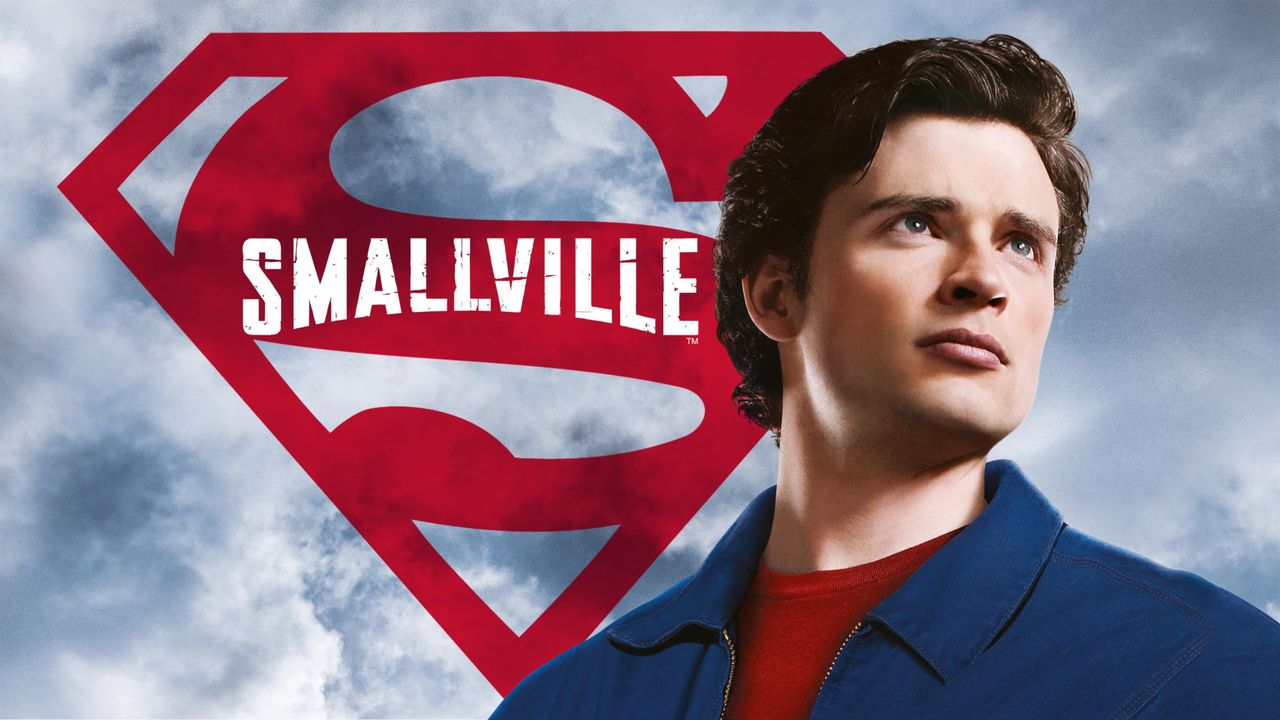
- Debuted on October 16, 2001, on The WB before moving to ABC
- Focused on Clark Kent’s teenage and early adult years in Smallville
- Aired for 10 seasons and 217 episodes
Fifteen years after its final episode aired, Smallville still holds a unique place in Superman lore. The show, which premiered on October 16, 2001, on The WB, was the first television series to explore the early life of Clark Kent before he became Superman. Unlike other adaptations that jump straight to the Man of Steel’s heroic feats, Smallville spent a decade chronicling the moments that shaped him—from his Kansas roots to his first steps into heroism.
Set in the fictional town of Smallville, Kansas, the series followed a young Clark Kent as he navigated high school, first loves, family secrets, and the growing presence of Kryptonian influences around him. The show’s central premise revolved around the meteor freak accident that gave Clark his powers—and the lingering effects of kryptonite on those exposed to the alien minerals. This allowed Smallville to weave in both episodic monster-of-the-week plots and a larger, serialized narrative about Clark’s destiny.
While Smallville never showed Superman in full costume until its eighth season, it built a loyal fanbase by focusing on the emotional and psychological journey of its protagonist. Tom Welling, who played Clark Kent, became synonymous with the character for a generation of viewers. The show also introduced a non-canonical version of Superman’s mythology, including a controversial but memorable twist involving Clark’s future son in the series finale.
A flawed but faithful Superman origin
The show’s biggest strength was its commitment to Clark Kent as a character rather than just a superhero. Episodes like Rosetta and Perry delved into Clark’s moral compass, while storylines like the arrival of Lana Lang and Lex Luthor explored the complexities of his relationships. Even when the writing stumbled—such as in its later seasons, which leaned heavily into supernatural elements—the core of Clark’s humanity remained intact.
Smallville also broke new ground by featuring a Superman who didn’t wear the iconic red cape or suit for most of its run. Instead, it focused on the internal conflict of a boy grappling with destiny, guilt, and the weight of his abilities. This approach made Clark Kent more relatable than any other adaptation, reinforcing the idea that heroism begins long before the first public appearance as Superman.
Cultural impact and lasting legacy
At its peak, Smallville drew over 5 million viewers per episode and spawned a franchise that included comics, novels, and a spin-off web series, Smallville: Vengeance Chronicles. It also launched the careers of several cast members, including Allison Mack (Chloe Sullivan) and Michael Rosenbaum (Lex Luthor), who became pop-culture icons. The show’s influence can still be seen in modern superhero storytelling, which increasingly prioritizes character development over spectacle.
Critics often point to Smallville’s uneven later seasons or its sometimes convoluted mythology as weaknesses. Yet, its willingness to take risks—such as killing off major characters or subverting expectations—set it apart from more formulaic superhero adaptations. The series also tackled mature themes, including loss, identity, and the ethics of power, in ways that resonated with older teens and adults alike.
Today, Smallville remains a benchmark for Superman storytelling. While newer adaptations like Superman & Lois continue to explore the character, none have matched the show’s blend of heart, humor, and humanity. For fans of Clark Kent, it isn’t just a superhero tale—it’s a coming-of-age story about what it means to be extraordinary while still being human.
With the recent resurgence of interest in Superman on screen, Smallville’s legacy is more relevant than ever. It proved that Superman isn’t just about flying or saving cities; he’s about the journey of a boy who grows up knowing he’s different—and chooses to use his gifts for good.
What You Need to Know
- Source: Space.com
- Published: May 13, 2026 at 16:00 UTC
- Category: Science
- Topics: #space · #astronomy · #nasa · #superman · #clark-kent · #look
Read the Full Story
This is a curated summary. For the complete article, original data, quotes and full analysis:
All reporting rights belong to the respective author(s) at Space.com. GlobalBR News summarizes publicly available content to help readers discover the most relevant global news.
Curated by GlobalBR News · May 13, 2026
🇧🇷 Resumo em Português
Aos 15 anos de seu lançamento, a série Smallville continua reinventando a origem de Clark Kent, oferecendo a narrativa mais autêntica do herói que já foi contada nas telas. Com uma abordagem única, a produção da Warner Bros. explorou não apenas os poderes de Superman, mas a humanidade por trás do mito, transformando o que poderia ser apenas mais um drama adolescente em um retrato profundo da jornada de um ícone.
No Brasil, onde o herói de Krypton é reverenciado por gerações de fãs, Smallville ganhou destaque por sua capacidade de dialogar com o público brasileiro por meio de uma trama que mesclava elementos de super-heróis com questões universais, como identidade e pertencimento. A série, que teve 10 temporadas, mostrou como Clark Kent se tornou Superman não apenas por força física, mas por escolhas éticas e emocionais, algo que ressoa especialmente em um país que valoriza heróis humildes e batalhas pela justiça social. Além disso, a produção trouxe atores brasileiros em papéis secundários, aproximando ainda mais o público local da narrativa.
Mesmo após uma década e meia, Smallville segue como referência para novas adaptações de Superman, provando que a essência do personagem não está nos poderes, mas na história de um jovem que luta para equilibrar sua dualidade.
🇪🇸 Resumen en Español
Hace quince años, la pequeña pantalla vio nacer un relato que redefinió al héroe más icónico del cómic: “Smallville” demostró que Clark Kent no era solo un alter ego, sino el corazón de una historia sobre identidad y humanidad. La serie, pese a sus imperfecciones, se alzó como la versión más fiel y conmovedora del origen de Superman, algo que ningún otro formato había logrado hasta entonces.
Creada en 2001, “Smallville” trascendió el género superheroico al explorar el crecimiento personal de Clark Kent en su adolescencia y juventud, lejos de los efectos especiales y la espectacularidad habitual en las adaptaciones del personaje. Para el público hispanohablante, la serie conectó especialmente porque humanizó a un mito global, mostrando su vulnerabilidad, dudas y conflictos éticos en un contexto rural estadounidense que, aunque ajeno, resultaba cercano por su enfoque en valores universales. Además, su influencia perdura en producciones posteriores que han intentado emular su tono íntimo, consolidándola como un referente imprescindible para entender la evolución del héroe más poderoso de la Tierra.
Space.com
Read full article at Space.com →This post is a curated summary. All rights belong to the original author(s) and Space.com.
Was this article helpful?


Discussion