Study finds daily avocado-mango combo improves blood vessel function and lowers blood pressure in 8 weeks.
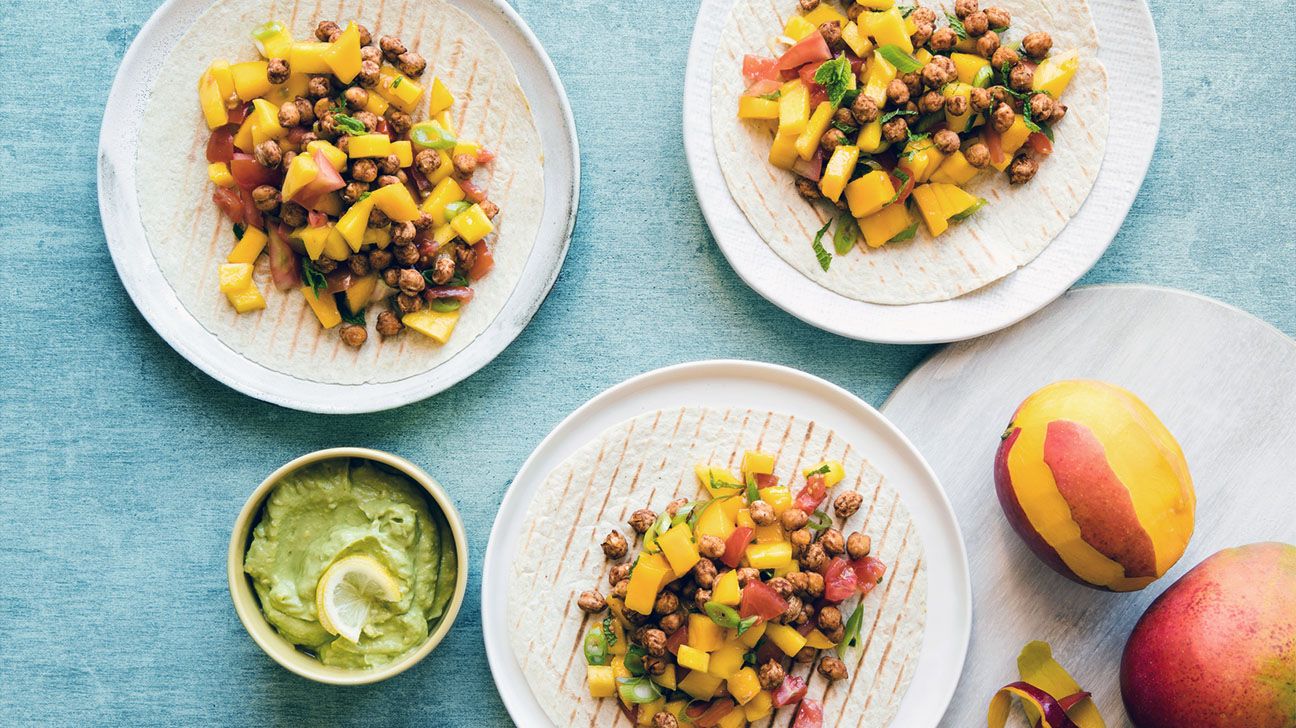
- Daily avocado and mango combo improved blood vessel function in 8 weeks
- Men saw greater drops in diastolic blood pressure than women
- Fiber, potassium, vitamin C, and healthy fats likely drove benefits
Eating one avocado and 1 cup of mango daily for eight weeks significantly improved blood vessel function and lowered diastolic blood pressure in adults with prediabetes, according to research published in the journal Nutrients. The study, led by researchers at Rush University in Chicago, found improvements in flow-mediated dilation—a key measure of blood vessel health—within just two months. The benefits were more pronounced in men, who experienced greater reductions in diastolic blood pressure compared to women. \n\nResearchers attribute the positive effects to a combination of nutrients found in both fruits, including fiber, potassium, vitamin C, and heart-healthy monounsaturated fats. Avocados are rich in potassium and healthy fats, while mangoes provide fiber and vitamin C, all of which support cardiovascular health. The study’s authors noted that these nutrients work synergistically to enhance blood flow and reduce strain on the heart. \n\n## How the study was conducted The trial involved 40 adults aged 20 to 70 with prediabetes, a condition marked by elevated blood sugar levels that often precedes type 2 diabetes. Participants were divided into two groups: one consumed one avocado and 1 cup of mango daily, while the other ate an average American diet without these fruits. After eight weeks, those in the avocado-mango group showed measurable improvements in blood vessel function and lower diastolic blood pressure. \n\nDiastolic blood pressure—a measure of pressure between heartbeats—dropped by an average of 4 mmHg in men, compared to a smaller reduction in women. While the study did not track long-term outcomes, the results suggest that incorporating these fruits into daily meals could offer quick cardiovascular benefits. Researchers emphasized that the findings do not replace broader dietary changes, such as reducing sodium and processed foods. \n\n## Experts stress overall diet quality While the study highlights the potential benefits of avocados and mangoes, cardiologists and nutritionists caution that no single food can reverse prediabetes or heart disease. Dr. Cheryl Anderson, chair of the American Heart Association’s nutrition committee, stressed that overall diet quality is the most critical factor. “These fruits are nutritious, but they work best as part of a balanced diet rich in vegetables, whole grains, lean proteins, and healthy fats,” she said. \n\nRegistered dietitian Ellie Kagan, who was not involved in the study, added that while the results are promising, they should not overshadow the importance of portion control and variety. “Mangoes are high in natural sugars, so moderation is key,” she noted. “Pairing them with avocados, which are lower in sugar, can help balance blood sugar levels.” \n\n## What’s next for research? The study’s authors called for larger, longer trials to confirm the findings and explore whether the avocado-mango combo could help prevent progression to type 2 diabetes. They also plan to investigate whether the benefits extend to people without prediabetes. For now, the research adds to growing evidence that whole foods, rather than supplements, offer the most reliable path to better heart health. Health experts recommend consulting a doctor or dietitian before making significant dietary changes, especially for those with existing health conditions.
What You Need to Know
- Source: Healthline
- Published: May 16, 2026 at 18:19 UTC
- Category: Health
- Topics: #health · #wellness · #medicine · #diabetes · #eating-avocado · #mango-daily-may
Read the Full Story
This is a curated summary. For the complete article, original data, quotes and full analysis:
All reporting rights belong to the respective author(s) at Healthline. GlobalBR News summarizes publicly available content to help readers discover the most relevant global news.
Curated by GlobalBR News · May 16, 2026
Related Articles
- Midlife fitness boosts lifespan and health by 5+ years study finds
- Why ‘Ballmaxxing’ May Be More Dangerous Than You Think
- Weight Loss Surgeries Decline as GLP-1 Use Skyrockets. Why This Matters
🇧🇷 Resumo em Português
Na busca por alternativas naturais para combater problemas de saúde cada vez mais comuns, um estudo recente revelou que frutas como abacate e manga podem ser poderosas aliadas. Segundo pesquisa publicada em periódico científico, o consumo diário de um abacate e uma xícara de manga por oito semanas melhorou a função dos vasos sanguíneos e reduziu a pressão arterial diastólica em pessoas com pré-diabetes.
O estudo ganha relevância no Brasil, onde a pré-diabetes afeta milhões de pessoas e representa um estágio crítico antes do desenvolvimento do diabetes tipo 2, doença que já atinge cerca de 17 milhões de brasileiros, segundo dados do Ministério da Saúde. Além disso, a combinação de abacate e manga, rica em fibras, gorduras saudáveis e antioxidantes, pode ser uma estratégia simples e acessível para complementar tratamentos convencionais. Especialistas destacam que, embora os resultados sejam promissores, mais pesquisas são necessárias para confirmar esses benefícios a longo prazo e em populações mais diversas.
Com isso, a ciência reforça que pequenas mudanças na dieta podem ter impactos significativos na saúde cardiovascular, especialmente em grupos de risco.
🇪🇸 Resumen en Español
La inclusión diaria de aguacate y mango en la dieta podría ser una herramienta clave para controlar la presión arterial en personas con prediabetes, según un estudio reciente. La investigación, publicada por expertos en nutrición, revela que consumir un aguacate y una taza de mango al día durante ocho semanas mejoró la función de los vasos sanguíneos y redujo la presión arterial diastólica en pacientes con esta condición.
El trabajo, llevado a cabo por científicos de la Universidad de Tufts en Massachusetts (EE.UU.), destaca el potencial de estos alimentos para prevenir complicaciones cardiovasculares en grupos de riesgo. Para la población hispanohablante, este hallazgo es especialmente relevante, ya que el aguacate es un ingrediente estrella en la gastronomía latinoamericana, mientras que el mango es ampliamente consumido en países como México, Centroamérica y el Caribe. Los resultados sugieren que incorporar estos alimentos en la dieta cotidiana no solo enriquece el paladar, sino que también podría ser una estrategia accesible y deliciosa para cuidar la salud cardiovascular, un problema creciente en la región debido a dietas cada vez más procesadas y sedentarismo.
Healthline
Read full article at Healthline →This post is a curated summary. All rights belong to the original author(s) and Healthline.
Was this article helpful?



Discussion