Pennsylvanians demand transparency as data centers face backlash for rising costs and rural disruptions.
- Pennsylvanians protest data centers for higher electricity bills and water use
- Residents say projects are approved without public input
- Town hall draws 225 people and 20+ speakers criticizing growth
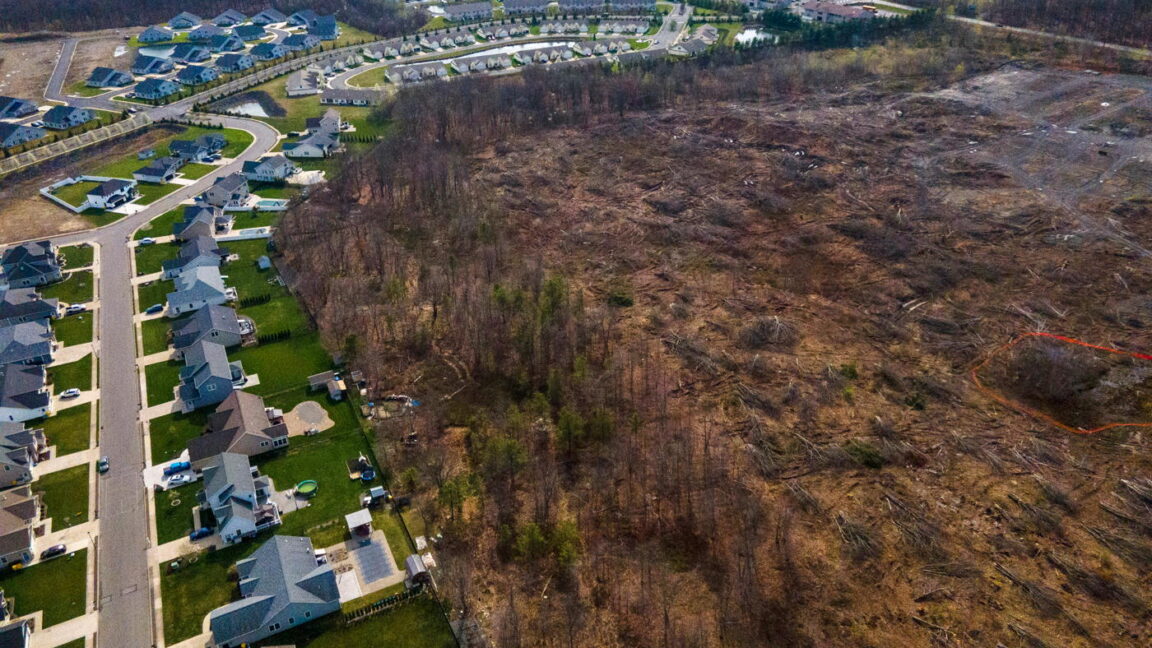
Pennsylvania’s rapid data center expansion met a wall of opposition Wednesday night during an overflowing town hall meeting. More than 20 speakers, many from rural areas near proposed or active sites, spent two hours venting frustrations about how the state is handling the industry’s growth. The complaints centered on three main issues: soaring electricity prices, heavy water consumption, and the sudden transformation of quiet landscapes into industrial zones with constant noise and traffic.
Jennifer Dusart, a small business owner in Mechanicsburg, summed up the frustration. “This isn’t just about data centers—it’s about public trust,” she said. “We’re finding out these projects exist only after they’re already approved.” Her remarks echoed complaints from others who said they first learned of data centers through rumors or local news, not from state officials. The meeting, held online, drew about 225 attendees, a sign that opposition isn’t limited to a few vocal critics.
Gov. Shapiro caught in the middle
Gov. Josh Shapiro, a Democrat who has positioned himself as both a business-friendly leader and a defender of working families, is now facing pushback from both sides. He’s tried to balance welcoming data centers—citing job creation and economic growth—while proposing modest regulations to slow their expansion. But locals say his administration hasn’t been transparent enough about where facilities will go or how they’ll impact communities.
One speaker, a farmer near the proposed site for a massive Amazon data center in western Pennsylvania, said his water bills have doubled since construction began. Another resident near Mechanicsburg described sleepless nights from constant truck traffic and generator noise. “We’re not anti-progress,” he said. “But we’re being treated like an afterthought.”
The backlash reflects a broader trend. Across the U.S., data centers—huge facilities that power everything from streaming services to cloud storage—have become a flashpoint. Pennsylvania, with its cheap land, tax incentives, and reliable energy grid, has become a prime target for companies like Amazon, Microsoft, and Google. But as the industry grows, so do the complaints. States like Virginia and Iowa have already seen similar fights over power demands and environmental impact.
Industry says it’s listening, but critics want more
Data center operators say they’re committed to sustainability and community engagement. An Amazon spokesperson pointed to the company’s goal of being carbon-neutral by 2040 and investments in renewable energy. But critics argue those promises aren’t enough when projects move forward without public input. “We’re not against the tech industry,” said Dusart. “We’re against being ignored.”
The frustration isn’t just local. Pennsylvania’s Public Utility Commission recently approved rate hikes to help fund grid upgrades for data centers, a move that critics say will shift costs to regular consumers. Small business owners and homeowners alike worry about their power bills rising even as their communities bear the brunt of the industry’s environmental and social costs.
What happens next
Organizers of the town hall said they plan to push for stricter state regulations on data center siting, including mandatory public hearings before approvals. They’re also calling for independent studies on the long-term impact of the industry’s water and energy use. Meanwhile, Gov. Shapiro’s office has signaled it’s reviewing feedback from the meeting but hasn’t committed to major changes. For now, the debate shows no signs of cooling down. Residents say they’re preparing for a long fight—one they hope will force the state to put people before profits.
What You Need to Know
- Source: Ars Technica
- Published: May 15, 2026 at 13:51 UTC
- Category: Technology
- Topics: #arstechnica · #tech · #science · #pennsylvanians · #pennsylvania · #wednesday
Read the Full Story
This is a curated summary. For the complete article, original data, quotes and full analysis:
All reporting rights belong to the respective author(s) at Ars Technica. GlobalBR News summarizes publicly available content to help readers discover the most relevant global news.
Curated by GlobalBR News · May 15, 2026
Related Articles
- Trump Brand’s First Phone Finally Ships After 9-Month Holdup
- NYT Connections Sports Edition Answers & Hints for May 17, #601
- Tesla quietly shelves Solar Roof, bet big on cheap panels
🇧🇷 Resumo em Português
Moradores da Pensilvânia lotaram uma reunião pública para protestar contra a explosão de data centers na região, que tem elevado os custos de vida, aumentado o barulho e consumido recursos hídricos em níveis preocupantes. O governador Josh Shapiro agora enfrenta cobranças por falta de transparência na gestão desse crescimento acelerado, que beneficia grandes empresas de tecnologia, mas impõe ônus cada vez maiores à população local.
O fenômeno não é exclusivo dos Estados Unidos: no Brasil, a expansão de data centers também tem gerado debates, especialmente em estados como São Paulo, Rio de Janeiro e Minas Gerais, onde a demanda por energia e água já enfrenta pressões. Empresas como Google, Meta e Amazon têm investido fortemente na infraestrutura local, atraídas por incentivos fiscais e pela posição estratégica do país, mas especialistas alertam para riscos de sobrecarga em serviços essenciais, como o abastecimento de água, e para a necessidade de regulamentações mais rígidas.
A discussão promete avançar com audiências públicas e possíveis mudanças na legislação, enquanto governos e empresas buscam equilibrar o desenvolvimento tecnológico com a sustentabilidade e o bem-estar das comunidades afetadas.
🇪🇸 Resumen en Español
Los habitantes de Pensilvania se han levantado contra el auge de los centros de datos en una reunión pública, denunciando el aumento de costes, el ruido y el consumo de agua que conlleva su proliferación.
El debate refleja la creciente preocupación ciudadana por el impacto de la expansión tecnológica en comunidades locales, donde el crecimiento descontrolado de estas infraestructuras genera tensiones por su opacidad y efectos ambientales. Con el gobernador Shapiro bajo lupa por su gestión, el caso subraya la necesidad de equilibrar la innovación con la rendición de cuentas, un debate que resuena especialmente en regiones hispanohablantes con proyectos similares en desarrollo.
Ars Technica
Read full article at Ars Technica →This post is a curated summary. All rights belong to the original author(s) and Ars Technica.
Was this article helpful?

Discussion