California man busted for faking captive-breeding permits to smuggle 292 wild turtles to Taiwan.
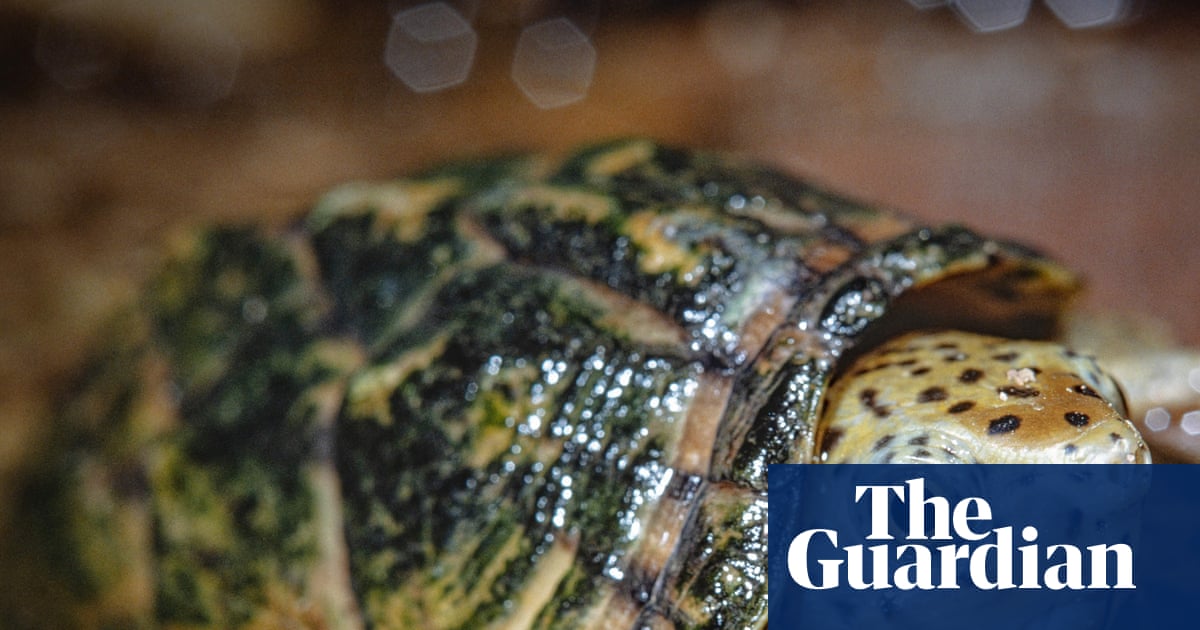
- Donald Do allegedly trafficked 292 loggerhead musk turtles to Taiwan
- He used fake permits claiming turtles were captive-bred
- Turtles were actually poached from Florida’s wild
A California man was arrested Friday on federal wildlife-trafficking charges after allegedly smuggling 292 loggerhead musk turtles from the United States to Taiwan using fraudulent permits. Donald Do, 34, faces charges that could land him up to five years in prison if convicted. The case highlights cracks in the global wildlife trade, where poachers and traffickers exploit loopholes in permitting systems to move protected species across borders.
Federal authorities say Do and an unnamed accomplice obtained a US Fish and Wildlife Service export license in December 2022. The license falsely claimed the turtles were captive-bred, a legal requirement under U.S. law for certain reptile exports. Instead, investigators allege Do purchased the turtles from poachers who collected them from Florida’s wetland habitats and other wild locations. The animals were then shipped to San Francisco before their final flight to Taipei.
How the scheme worked
The loggerhead musk turtle, a small freshwater species native to the southeastern U.S., is protected under state and federal wildlife laws. Poaching these turtles from the wild disrupts local ecosystems and threatens their survival. Investigators say Do’s accomplice secured the export permit, then Do handled the illegal procurement and shipping logistics. Court documents allege he provided instructions for the turtles to be sent to a San Francisco address before their international transport.
The turtles were valued at roughly $1,000 each in the illegal pet trade, according to sources familiar with the case. That totals nearly $300,000 in potential profit for the smugglers. The black-market demand for exotic reptiles in Asia, particularly in Taiwan, drives much of this illicit trade. Loggerhead musk turtles are prized as pets for their small size and unique appearance, despite their protected status.
Legal consequences and broader impact
Wildlife trafficking is a multi-billion-dollar global industry, ranking among the top illegal trades alongside drugs and arms. The U.S. Fish and Wildlife Service has ramped up efforts to crack down on fraudulent permits and illegal wildlife exports in recent years. This case follows a 2023 report from the World Wildlife Fund that ranked wildlife trafficking as the fourth most lucrative illegal trade worldwide.
Authorities haven’t revealed how they uncovered the scheme, but such busts often stem from tip-offs, international cooperation, or undercover operations. The case underscores the challenges wildlife agencies face in tracking illegal shipments, especially when permits are falsified. Experts warn that traffickers frequently exploit gaps between state, federal, and international regulations to move protected species.
Prosecutors will likely pursue additional charges against Do, including conspiracy and money laundering, given the scale of the operation. If convicted, he could face steep fines alongside prison time. The case also raises questions about oversight at the US Fish and Wildlife Service and whether current permitting processes are vulnerable to exploitation. Wildlife advocates are calling for stricter verification of captive-breeding claims and harsher penalties for traffickers to deter future crimes.
What happens next? The case is still under investigation, with federal agents likely reviewing shipping records, financial transactions, and communications between Do and his accomplice. A court date has not yet been set. Meanwhile, wildlife officials are urging the public to report suspected illegal wildlife trade activity to authorities. The broader lesson? Even small reptiles can become high-value targets in a sprawling, illicit global market.
What You Need to Know
- Source: The Guardian
- Published: May 16, 2026 at 22:21 UTC
- Category: World
- Topics: #guardian · #world-news · #international · #shell · #california · #donald
Read the Full Story
This is a curated summary. For the complete article, original data, quotes and full analysis:
All reporting rights belong to the respective author(s) at The Guardian. GlobalBR News summarizes publicly available content to help readers discover the most relevant global news.
Curated by GlobalBR News · May 16, 2026
Related Articles
- Zimbabwe’s diaspora reshapes real estate and farming investment trends
- 🎉 250 Articles in World!
- Eurovision 2024 faces scrutiny over Israel’s participation amid war
🇧🇷 Resumo em Português
Um homem da Califórnia foi preso após ser flagrado tentando contrabandear 292 tartarugas-musk do Mediterrâneo para Taiwan, um dos maiores casos de tráfico de animais silvestres já registrados nos EUA. O esquema, desmantelado pelo Serviço de Pesca e Vida Selvagem dos Estados Unidos (USFWS), envolvia documentos falsos que alegavam tratar-se de criadouro legal, mas as autoridades descobriram que os animais haviam sido capturados ilegalmente na natureza.
A operação acendeu alertas globais sobre o comércio ilegal de espécies ameaçadas, especialmente aquelas com trânsito frequente entre continentes, como as tartarugas-musk. Para o Brasil, o caso reforça a importância de fiscalização rigorosa em fronteiras e portos, já que o país é ponto estratégico no tráfico de fauna e flora, muitas vezes com destino à Ásia. Além disso, a notícia expõe a sofisticação dos criminosos, que usam métodos cada vez mais elaborados para burlar leis ambientais internacionais, o que exige maior cooperação entre nações.
O próximo passo será a investigação do destino final dos animais e possíveis redes internacionais envolvidas, enquanto especialistas pedem mais investimentos em tecnologias de rastreamento para combater o tráfico transnacional.
🇪🇸 Resumen en Español
Un hombre de California afronta cargos federales tras ser detenido por intentar introducir de forma ilegal 292 galápagos musk en Taiwán, haciéndolos pasar como crías de criadero para eludir las restricciones internacionales.
El caso revela una red de tráfico de especies silvestres con graves consecuencias para la biodiversidad y la salud pública. Los galápagos musk, originarios de América del Norte, son especies protegidas cuyo comercio sin control puede alterar ecosistemas y propagar enfermedades zoonóticas, algo especialmente relevante para los hispanohablantes en un contexto global donde el tráfico ilegal de fauna amenaza especies endémicas en Latinoamérica. La detención subraya la necesidad de reforzar los controles en aeropuertos y puertos, así como la cooperación internacional para frenar este tipo de delitos ambientales.
The Guardian
Read full article at The Guardian →This post is a curated summary. All rights belong to the original author(s) and The Guardian.
Was this article helpful?



Discussion