LiDAR lasers reveal SpaceX rocket debris polluting Earth's upper atmosphere, raising ozone layer concerns.
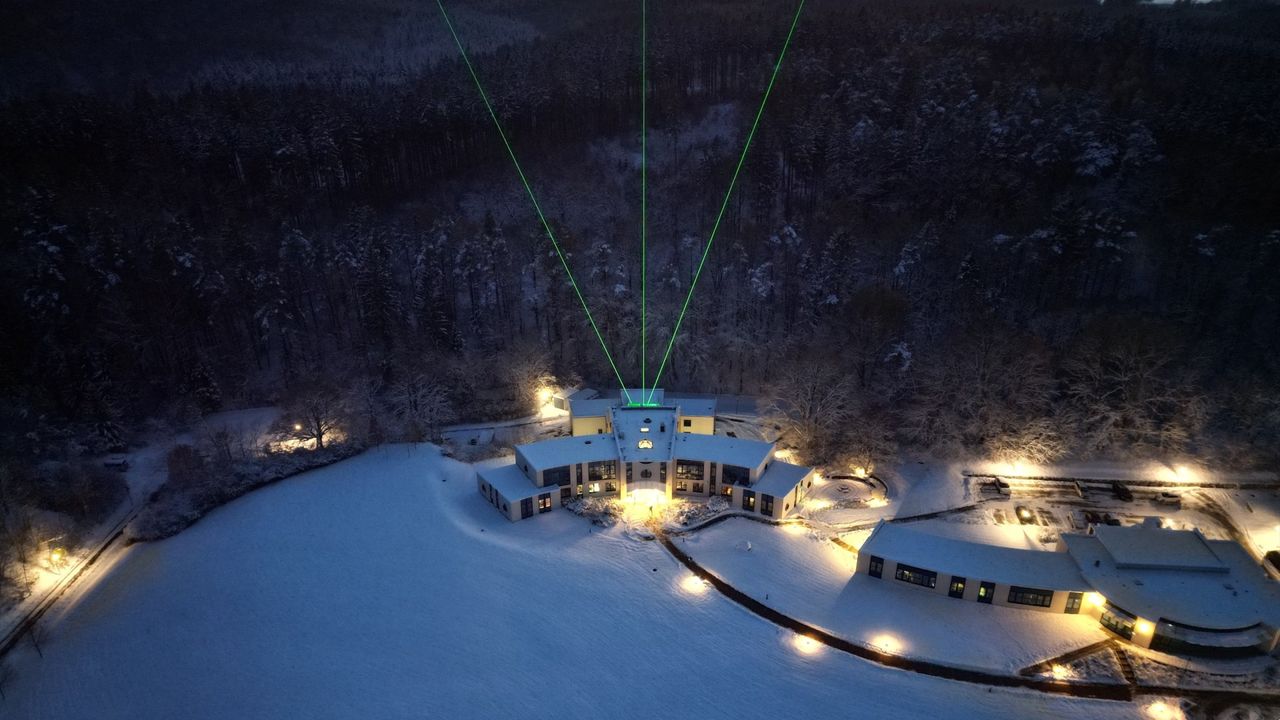
- Scientists detect rocket debris pollution in upper atmosphere using LiDAR
- SpaceX Falcon 9 reentry traced metal contamination to 60 miles altitude
- Pollution sources include satellite and rocket reentries
Scientists at the Leibniz Institute of Atmospheric Physics have discovered a new source of pollution in Earth’s upper atmosphere. Using high-powered LiDAR lasers, researchers measured unexpected metal layers in the stratosphere and mesosphere, tracing their origin to the reentry of space hardware, including a SpaceX Falcon 9 rocket in February 2025. This finding challenges previous assumptions about natural atmospheric composition and introduces potential risks to the ozone layer and climate systems.
Unnatural metal layers detected in upper atmosphere
The natural formation of metal layers in the upper mesosphere typically results from meteor ablation, where space rocks disintegrate upon entering Earth’s atmosphere. However, recent LiDAR measurements revealed additional metal masses and elements that do not match natural sources. By analyzing wind patterns and backward trajectories, researchers linked these pollutants to the reentry path of a SpaceX Falcon 9 rocket west of Ireland at approximately 60 miles (100 kilometers) altitude. The debris introduced elements such as aluminum and titanium, which are not naturally present in these concentrations.
Scientists estimate that thousands of tons of material from defunct satellites, rocket stages, and other space debris reenter Earth’s atmosphere annually. While most debris burns up completely, some components survive reentry and deposit metals into the upper atmosphere. These metals can alter atmospheric chemistry, potentially affecting ozone depletion and cloud formation. The long-term consequences of this pollution remain poorly understood, but researchers warn that the cumulative impact could be significant.
SpaceX rocket reentry linked to pollution spike
The February 2025 incident involved the reentry of a SpaceX Falcon 9 rocket stage over the North Atlantic. Using radar and LiDAR data, scientists traced air masses containing metal pollutants back to the rocket’s reentry path. The measurements showed elevated concentrations of aluminum and other metals at altitudes where the ozone layer resides. This discovery marks the first direct link between commercial spaceflight and upper atmospheric pollution.
The Leibniz Institute team plans to expand its research to track pollution from other rocket launches and satellite reentries. Their findings could influence future regulations on space debris management and commercial spaceflight. The study highlights the growing environmental footprint of the space industry, which has largely operated without oversight regarding atmospheric pollution.
The broader implications extend beyond ozone depletion. Metals deposited in the upper atmosphere may influence weather patterns, cloud formation, and even the behavior of radio waves used for communication. Researchers are calling for urgent studies to assess the full extent of this pollution and its potential to disrupt Earth’s delicate atmospheric balance. The findings underscore the need for international cooperation to monitor and mitigate the environmental impact of space activities.
Governments and space agencies have historically focused on space debris as a near-Earth hazard rather than an atmospheric pollutant. This study shifts the conversation by demonstrating that reentering space hardware can leave a measurable footprint in the stratosphere and mesosphere. The discovery comes as the number of rocket launches and satellite deployments continues to rise, driven by commercial space ventures and government missions alike. Without intervention, the cumulative effects of this pollution could become irreversible.
What You Need to Know
- Source: Space.com
- Published: May 13, 2026 at 15:00 UTC
- Category: Science
- Topics: #space · #astronomy · #nasa · #science · #lasers · #atmospheric-physics
Read the Full Story
This is a curated summary. For the complete article, original data, quotes and full analysis:
All reporting rights belong to the respective author(s) at Space.com. GlobalBR News summarizes publicly available content to help readers discover the most relevant global news.
Curated by GlobalBR News · May 13, 2026
Related Articles
- 5 Ways to Vet Social Media Health Advice Before Trying It
- Your Body Clock May Enhance The Benefits of Exercise, Study Finds
- Study finds yawns contagious before birth, even more than thought
🇧🇷 Resumo em Português
Pela primeira vez, cientistas detectaram com lasers como detritos de foguetes da SpaceX estão se acumulando na alta atmosfera terrestre, transformando a órbita baixa da Terra em um lixão espacial com consequências ainda desconhecidas. Usando tecnologia LiDAR, pesquisadores conseguiram mapear partículas metálicas provenientes de estágios de foguetes reentrando na estratosfera e mesosfera, revelando uma poluição que pode estar alterando a química atmosférica de forma silenciosa e perigosa.
A descoberta é especialmente preocupante para o Brasil, que abriga uma das bases de lançamento de foguetes mais importantes do mundo, a Alcântara, no Maranhão. Além disso, a camada de ozônio — já fragilizada pelo histórico de emissões industriais — poderia sofrer impactos adicionais com a deposição de metais como alumínio, que reage com gases atmosféricos. Enquanto a SpaceX e outras empresas privadas aceleram missões para Marte e a Lua, a comunidade científica alerta para a falta de regulamentação sobre os resíduos deixados no caminho.
Agora, os pesquisadores pedem mais estudos para avaliar os riscos reais e pressionam por acordos internacionais que obriguem as empresas a minimizar a poluição orbital, antes que os danos se tornem irreversíveis.
🇪🇸 Resumen en Español
Mediante avanzadas técnicas de detección con láser, un equipo de investigadores ha confirmado la preocupante presencia de restos de cohetes de SpaceX en las capas altas de la atmósfera terrestre, donde podrían alterar procesos químicos aún no bien comprendidos.
El estudio, que utiliza tecnología LiDAR para rastrear partículas metálicas procedentes de la reentrada y desintegración de componentes espaciales, revela que estos desechos no se limitan a orbitar el planeta, sino que se depositan en la estratosfera y mesósfera, zonas críticas para la protección del ozono. Para los hispanohablantes, especialmente en regiones con creciente actividad aeroespacial como Latinoamérica, este hallazgo subraya la necesidad urgente de regular la huella ambiental de la industria espacial, un tema que hasta ahora había pasado desapercibido frente a los riesgos más mediáticos de la basura orbital.
Space.com
Read full article at Space.com →This post is a curated summary. All rights belong to the original author(s) and Space.com.
Was this article helpful?



Discussion