US president gains no concessions from China on key issues after Beijing summit.
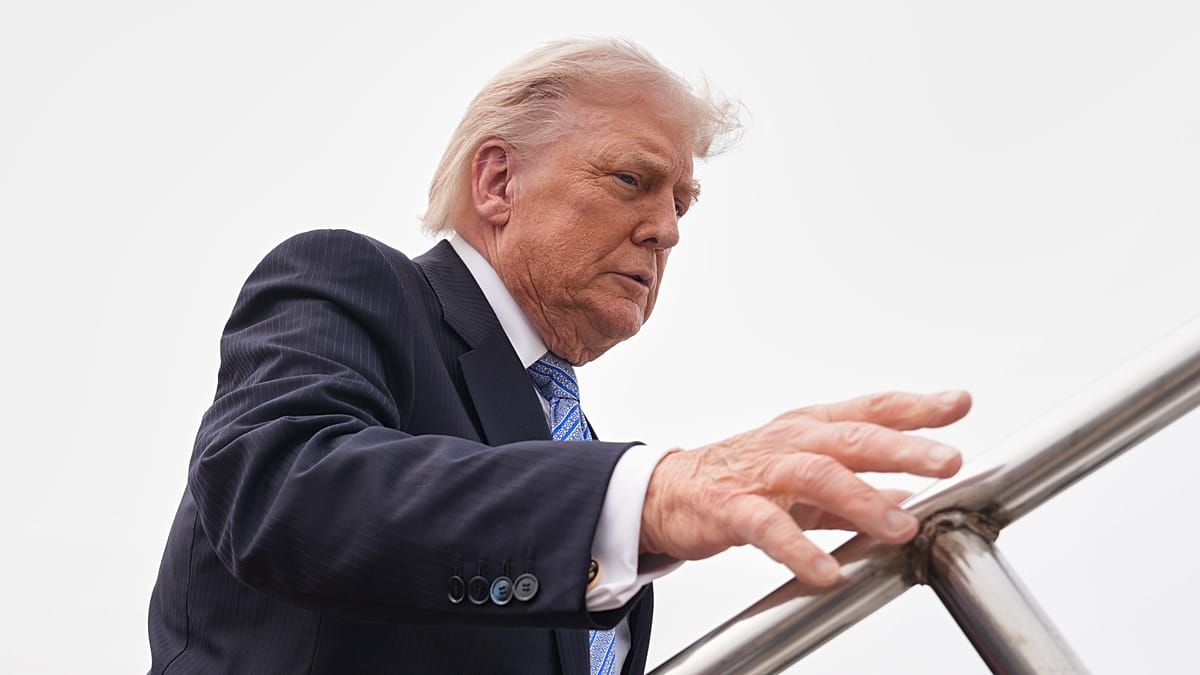
- President leaves Beijing summit with no major concessions from China
- Investors react to underwhelming outcome from high-profile talks
- Disputes over Iran and Taiwan remain unresolved
U.S. President Donald Trump departed Beijing on Monday after a two-day summit that yielded no major concessions from Chinese counterparts, disappointing investors and raising questions about the administration’s negotiating strategy. The trip, which had been billed as a potential breakthrough on trade and security issues, ended with no visible progress on flashpoints including Iran’s nuclear program and Taiwan’s status, both of which remain unresolved.
Analysts and investors had anticipated tangible outcomes from the meeting between Trump and Chinese President Xi Jinping, given the high stakes involved. However, Beijing offered no ground on Iran, where the U.S. seeks stricter enforcement of sanctions, or Taiwan, which China considers a breakaway province. The lack of progress underscores the enduring friction between the two nations despite periodic efforts to ease tensions.
No breakthrough on trade or security
The summit took place amid ongoing trade tensions between the world’s two largest economies. While both sides reaffirmed commitments to previous agreements, no new trade deals were announced. Analysts noted that the absence of concessions on tariffs or market access would likely prolong the economic standoff, which has already weighed on global supply chains and consumer prices.
On security, China reiterated its longstanding positions on Taiwan and the South China Sea, rejecting U.S. calls for restraint. The U.S. has accused Beijing of escalating military activity near Taiwan, while China views American arms sales to the island as interference in its internal affairs. The impasse leaves the region on edge, with no immediate resolution in sight.
Markets react to summit failure
Investors responded swiftly to the lack of progress, with U.S. stock futures dipping following the announcement. Analysts warned that the failed summit could signal a prolonged period of uncertainty in U.S.-China relations, particularly as both nations prepare for elections that may further complicate diplomacy. The dollar weakened against major currencies, while safe-haven assets like gold saw increased demand.
The outcome also raises doubts about the effectiveness of Trump’s diplomatic approach, which had previously emphasized personal engagement with foreign leaders. Critics argue that the lack of concrete results could embolden China to adopt a harder line in future negotiations, particularly on issues where Beijing perceives weakness in the U.S. stance.
What happens next
The White House has not indicated whether additional talks are planned, but analysts expect heightened scrutiny of China’s actions in the coming months. The U.S. may turn to multilateral alliances, such as those with Japan and South Korea, to counterbalance China’s influence. Meanwhile, Beijing is likely to maintain its current policies, given the absence of pressure to change course.
The failed summit also complicates efforts to address global challenges like climate change and cybersecurity, where cooperation between the U.S. and China is critical. Without progress on core disputes, progress on these issues may stall, further straining an already fragile relationship.
What You Need to Know
- Source: Euronews
- Published: May 15, 2026 at 10:50 UTC
- Category: World
- Topics: #euronews · #europe · #world-news · #politics · #government · #underwhelming
Read the Full Story
This is a curated summary. For the complete article, original data, quotes and full analysis:
All reporting rights belong to the respective author(s) at Euronews. GlobalBR News summarizes publicly available content to help readers discover the most relevant global news.
Curated by GlobalBR News · May 15, 2026
Related Articles
- Zimbabwe’s diaspora reshapes real estate and farming investment trends
- 🎉 250 Articles in World!
- Eurovision 2024 faces scrutiny over Israel’s participation amid war
🇧🇷 Resumo em Português
O presidente dos Estados Unidos regressou de Pequim de mãos vazias após frustrar expectativas de um acordo histórico com a China, que poderia ter redefinido as relações entre as duas maiores economias do mundo. Em vez de avanços concretos sobre temas como o programa nuclear do Irã ou a tensão em torno de Taiwan, a cúpula bilateral terminou sem conquistas significativas, deixando analistas e mercados em alerta.
O encontro, cercado por otimismo inicial, revelou a persistência de divergências estruturais entre Washington e Pequim, especialmente em questões de segurança regional e comércio. Para o Brasil, que mantém relações estratégicas com ambos os países, a falta de consenso pode agravar a incerteza econômica global, afetando setores como agricultura e indústria. Investidores brasileiros, já cautelosos com a volatilidade dos mercados asiáticos, veem o impasse como mais um fator de risco em um cenário já instável.
A próxima rodada de negociações, prevista para o próximo ano, será crucial para evitar um esgarçamento ainda maior das relações sino-americanas.
🇪🇸 Resumen en Español
El presidente de Estados Unidos regresó de su cumbre en Pekín con las manos vacías, frustrando las altas expectativas que rodeaban el encuentro entre las dos mayores economías del mundo. Tras intensas negociaciones, no logró avances significativos con China en temas clave como el programa nuclear iraní o la tensión en Taiwán, lo que ha generado inquietud en los mercados financieros.
El fracaso en la cumbre evidencia las crecientes dificultades para alinear posturas entre Washington y Pekín en un contexto global marcado por la rivalidad estratégica. Para los hispanohablantes, este estancamiento no solo afecta la estabilidad económica —con inversores decepcionados—, sino que también subraya los desafíos geopolíticos que podrían escalar en los próximos meses, desde el comercio hasta la seguridad regional. La falta de consensos profundiza la incertidumbre sobre el futuro de las relaciones internacionales.
Euronews
Read full article at Euronews →This post is a curated summary. All rights belong to the original author(s) and Euronews.
Was this article helpful?



Discussion