UN court confirms Rwanda genocide suspect Félicien Kabuga died in custody at 93 before appeal could finish.
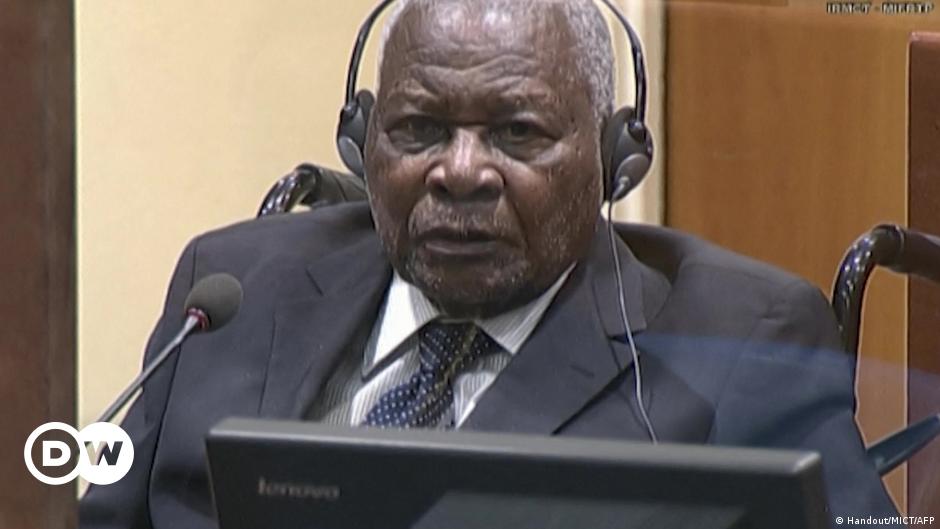
- Félicien Kabuga died at 93 in UN detention before finishing his genocide trial
- He was accused of funding and encouraging Rwanda’s 1994 genocide
- Kabuga evaded capture for 25 years using fake passports and allies
The United Nations’ war crimes court confirmed Saturday that Félicien Kabuga, the last major fugitive charged in connection with Rwanda’s 1994 genocide, has died in custody at age 93. The UN International Residual Mechanism for Criminal Tribunals (IRMCT) said it had opened an investigation into the circumstances of his death. Kabuga was awaiting the final stage of his appeal after being convicted last year on charges including genocide and incitement to commit genocide. His death means the world will never hear his defense in person, closing a chapter that spanned more than a quarter-century of evasion and justice delayed. ## Kabuga’s role in Rwanda’s 1994 genocide Kabuga was charged with seven counts related to Rwanda’s 1994 genocide, during which Hutu extremists killed an estimated 800,000 Tutsis and moderate Hutus in just 100 days. Prosecutors accused him of using his wealth to fund radio stations that broadcast hate propaganda and militia groups that carried out the killings. He was a wealthy businessman and a key financial backer of President Juvénal Habyarimana, whose assassination in April 1994 triggered the genocide. The plane carrying Habyarimana was shot down over Kigali on April 6, 1994, an event immediately exploited by extremists to launch coordinated attacks. ## Two decades on the run after genocide ended Kabuga vanished shortly after the genocide ended in July 1994. For more than 20 years, he lived under assumed identities across Africa and Europe, moving between Kenya, the Democratic Republic of Congo, and Germany. He was finally arrested in May 2020 near Paris, France, after a tip-off from local police. His capture came just months before he turned 90, making him one of the oldest suspects ever brought before an international tribunal. At the time of his arrest, he was living quietly in a suburban apartment outside Paris, using a fake identity. Investigators found stacks of cash, gold bars, and multiple fake passports in his home. ## The trial that ended just months before his death Kabuga’s trial began in 2022 in The Hague, where he pleaded not guilty to all charges. Prosecutors presented evidence linking him to the purchase of machetes, radios, and other supplies used during the genocide. Witnesses testified about his role in financing hate speech broadcasts, including Radio Télévision Libre des Mille Collines, which urged listeners to “kill the cockroaches”—a derogatory term for Tutsis. In 2023, the IRMCT found him guilty and sentenced him to life in prison. Kabuga appealed the conviction, but the appeals chamber had not yet issued a final decision. ## What happens next after Kabuga’s death The IRMCT said it would continue its investigation into Kabuga’s death and review the status of his case. Legal experts say his death closes a painful era but does not erase the crimes he was accused of committing. Survivors and families of victims expressed mixed reactions—some relief that he faced justice, others frustration that he died before hearing a final verdict. Rwanda’s government has not yet commented publicly on Kabuga’s death. The case highlights the challenges of prosecuting war crimes decades after they occurred, especially when suspects live for years as fugitives. ## The broader impact on Rwanda’s justice efforts Kabuga’s capture and trial were seen as a rare success for international justice, proving that even decades-old fugitives can be brought to account. His death, however, underscores how slow and costly these processes can be. The IRMCT, which handles residual cases from Rwanda and former Yugoslavia tribunals, has fewer than a dozen cases left. With Kabuga gone, the court must now decide whether to continue the appeals process posthumously or formally close the case. For Rwanda, the genocide’s wounds remain open. Memorials this week marked the 32nd anniversary of the killings, with survivors calling for continued efforts to bring remaining fugitives to justice. No one else remains at large with charges directly tied to the 1994 genocide.
What You Need to Know
- Source: Deutsche Welle
- Published: May 16, 2026 at 23:58 UTC
- Category: World
- Topics: #europe · #world-news · #rwandan · #felicien-kabuga · #rwanda
Read the Full Story
This is a curated summary. For the complete article, original data, quotes and full analysis:
All reporting rights belong to the respective author(s) at Deutsche Welle. GlobalBR News summarizes publicly available content to help readers discover the most relevant global news.
Curated by GlobalBR News · May 16, 2026
Related Articles
- 🎉 250 Articles in World!
- Zimbabwe’s diaspora reshapes real estate and farming investment trends
- 🎉 250 Articles in World!
🇧🇷 Resumo em Português
Um dos homens mais procurados do mundo por seu papel na tragédia de um dos piores massacres do século XX, Félicien Kabuga, acusando de financiar o genocídio de Ruanda em 1994, morreu aos 93 anos enquanto estava sob custódia de um tribunal internacional. Sua prisão em 2020, após décadas foragido, parecia ter aberto uma página para as vítimas buscarem justiça, mas a notícia de sua morte reacende questionamentos sobre a tramitação de casos que se arrastam há quase trinta anos.
Kabuga, um dos principais financiadores das milícias hutus responsáveis pelo assassinato de cerca de 800 mil tutsis e hutus moderados em apenas cem dias, era alvo do Tribunal Penal Internacional para Ruanda (TPIR) desde 1997. Sua captura na França, após uma operação que envolveu inteligência internacional, foi comemorada como um marco para a justiça africana, mas processos tão longos e a morte do acusado antes de uma sentença definitiva levantam críticas sobre a lentidão da justiça internacional. Para o Brasil e os países lusófonos, que acompanham de perto os desdobramentos de conflitos étnicos e crimes de guerra no continente africano, a notícia serve como um lembrete sobre os desafios de punir violações de direitos humanos em escala global.
O tribunal já anunciou que investigará as circunstâncias de sua morte, mas a impunidade que persiste em casos como esse reforça a necessidade de reformas nos sistemas de justiça internacional para evitar que crimes dessa magnitude permaneçam sem resposta definitiva.
🇪🇸 Resumen en Español
El sospechoso del genocidio de Ruanda, Félicien Kabuga, falleció a los 93 años en custodia, cerrando un largo capítulo en la búsqueda de justicia para las víctimas de uno de los episodios más oscuros de la historia africana.
Kabuga, acusado de financiar con millones de dólares a las milicias hutu que perpetraron el exterminio de más de 800.000 tutsis y hutus moderados en solo cien días, llevaba décadas evadiendo a la justicia internacional. Su captura en 2020, tras décadas prófugo, supuso un alivio simbólico para las víctimas, aunque su muerte antes de un juicio definitivo deja sin respuesta las preguntas sobre su red de apoyos y responsabilidades ocultas. El Mecanismo Residual Internacional para los Tribunales Penales de la ONU ya ha instado a investigar las circunstancias de su fallecimiento, recordando que, más allá del juicio, el caso reabre el debate sobre la impunidad en conflictos donde el dinero y la propaganda alimentaron el odio.
Deutsche Welle
Read full article at Deutsche Welle →This post is a curated summary. All rights belong to the original author(s) and Deutsche Welle.
Was this article helpful?


Discussion