US military identifies 13 more victims of boat strikes in anti-drug campaign, bringing total killed to nearly 200.
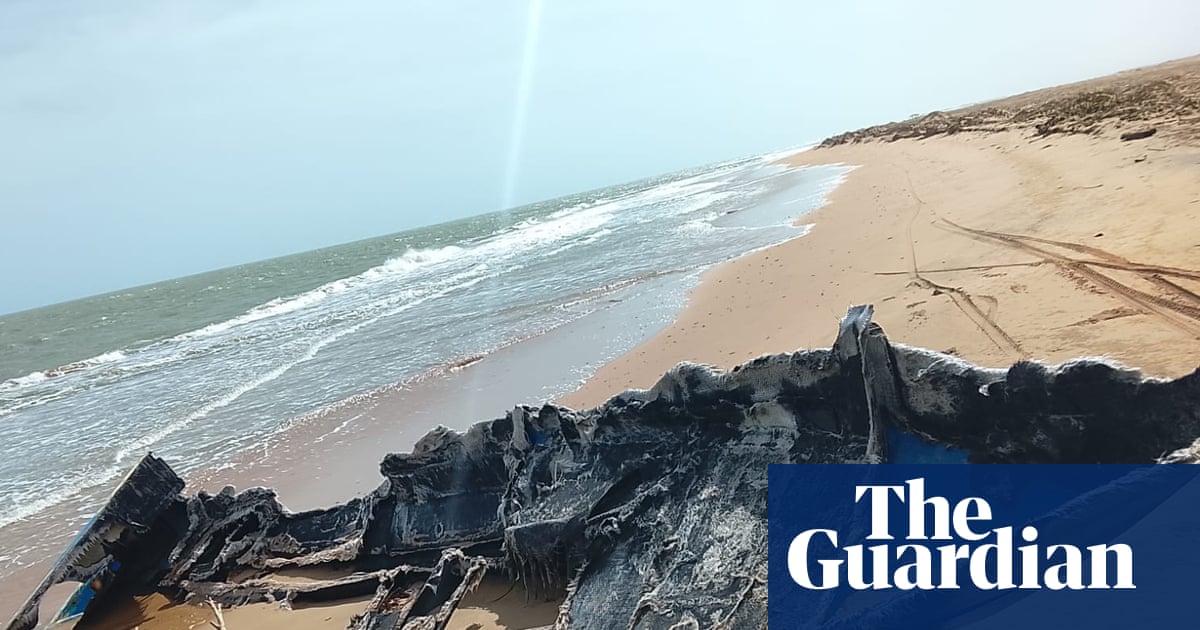
- US military names 13 more victims of boat strikes in anti-drug campaign
- Victims came from extremely poor communities in Caribbean and Pacific
- Total killed in strikes now nearly 200
Thirteen people killed in US military boat strikes in the Caribbean and eastern Pacific have been identified in a five-month investigation. The victims, all from extremely poor communities, bring the total killed in the US anti-narcotics campaign to nearly 200. This is the first time the US military has publicly named a significant number of victims from the strikes, which have drawn criticism for their lack of transparency.
The investigation, conducted by The Guardian, reveals that the 13 victims were among those killed in strikes targeting boats allegedly carrying narcotics. Only three victims had been named previously, following legal challenges from their families against the White House. The lack of identification has raised questions about the US military’s procedures for verifying targets and assessing civilian casualties.
US military strikes raise questions about accountability
The US military’s Joint Interagency Task Force South (JIATF-South), based in Key West, Florida, leads the anti-drug operations in the Caribbean and eastern Pacific. Since the campaign began, nearly 200 people have been killed in strikes, but the military has rarely disclosed the identities of the victims. The latest identifications follow sustained pressure from families and human rights groups demanding answers.
Critics argue that the strikes often target boats with minimal evidence of drug trafficking, disproportionately affecting poor communities that rely on fishing and small-scale trade. The US Southern Command, which oversees JIATF-South, has not responded to requests for comment on the investigation’s findings or the broader campaign.
Families seek justice for victims of US strikes
Families of the victims have filed legal cases against the White House, alleging that the strikes violated international law and caused unjustifiable loss of life. Lawyers representing the families say the US military’s failure to identify victims before attacks suggests a lack of due diligence. “These were flesh-and-blood people with families and communities,” said one lawyer involved in the cases. “The US has a responsibility to ensure these operations do not result in unnecessary deaths.”
The latest identifications include fishermen, small-scale traders, and others from coastal communities in Haiti, Colombia, and Ecuador. Many of the victims were reported missing by their families after their boats failed to return from fishing trips. The US military has not disclosed whether any of the strikes resulted in the seizure of drugs or arrests.
Campaign’s effectiveness questioned amid civilian casualties
The anti-narcotics campaign, which began in 2008, has long been controversial for its high civilian toll. A 2021 investigation by The New York Times found that at least 20% of those killed in strikes were not involved in drug trafficking. The latest findings underscore concerns that the campaign prioritizes aggressive tactics over civilian protection.
Human rights groups, including Amnesty International, have called for an independent review of the strikes. “The US military’s lack of transparency and accountability in these operations is alarming,” said a spokesperson for the group. “Families deserve to know why their loved ones were killed and whether justice will be served.”
The US Southern Command has defended the strikes as necessary to disrupt drug trafficking routes. However, the latest identifications of victims raise fresh doubts about the campaign’s methods and outcomes. With nearly 200 killed and only a fraction of the victims identified, the pressure on the US military to explain its actions is growing.
What You Need to Know
- Source: The Guardian
- Published: May 15, 2026 at 10:00 UTC
- Category: World
- Topics: #guardian · #world-news · #international · #war · #military · #defense
Read the Full Story
This is a curated summary. For the complete article, original data, quotes and full analysis:
All reporting rights belong to the respective author(s) at The Guardian. GlobalBR News summarizes publicly available content to help readers discover the most relevant global news.
Curated by GlobalBR News · May 15, 2026
Related Articles
- US proposes 40% cut in Colorado River water for 3 states amid drought
- UK insurers charge more or refuse cover for Chinese EVs like Jaecoo
- Trump urges Taiwan to avoid independence amid rising China tensions
🇧🇷 Resumo em Português
Três embarcações em chamas, 13 vidas ceifadas: EUA admitem mais mortes em operações antinarcóticos que chocam o Caribe e o Pacífico. As Forças Armadas norte-americanas confirmaram nesta semana a identidade de mais 13 pessoas mortas em ataques de barcos militares durante operações contra o tráfico de drogas na região do Caribe e do Pacífico, elevando para quase 200 o número de vítimas desde o início da campanha, em 2006. Imagens de corpos carbonizados e testemunhos de sobreviventes pintam um cenário de violência brutal, levantando dúvidas sobre a proporcionalidade das ações e o respeito aos direitos humanos em missões que, embora busquem combater o crime organizado, têm ceifado vidas inocentes.
A revelação dos novos nomes dos mortos chega em um momento de crescente tensão na América Latina, onde governos e sociedade civil questionam a eficácia e a ética dessas operações lideradas pelos EUA. Para o Brasil, o tema é especialmente sensível: o país, que compartilha fronteiras com nações afetadas pelo tráfico e pela violência derivada do crime organizado, teme que a escalada militar possa desestabilizar ainda mais a região. Além disso, a diplomacia brasileira, tradicionalmente cautelosa em relação à presença militar estrangeira em seus vizinhos, observa com preocupação como essas ações impactam a soberania local e a segurança regional, especialmente em áreas onde a presença do Estado é frágil.
Os próximos passos incluem possíveis investigações mais rigorosas por parte de organizações de direitos humanos e cobranças por maior transparência por parte do governo dos EUA, enquanto as famílias das vítimas buscam justiça e reparação.
🇪🇸 Resumen en Español
Un operativo militar estadounidense en aguas del Caribe y el Pacífico ha dejado un reguero de víctimas mortales: trece nuevos nombres se suman a una lista en la que ya figuran cerca de doscientas personas.
El Comando Sur de EE.UU. ha confirmado que, en el marco de una campaña contra el narcotráfico, sus patrulleras han interceptado embarcaciones menores, estas últimas sin identificar, en una zona donde las rutas del tráfico de drogas se entrecruzan con rutas migratorias y de pesca artesanal. Para las comunidades costeras de países como Colombia, Honduras o México, estas acciones —justificadas como golpes al crimen organizado— generan controversia: mientras Washington defiende su eficacia, familias enteras lloran la pérdida de pescadores, comerciantes o migrantes que, según testigos, no representaban amenaza alguna. La opacidad de los protocolos y la falta de transparencia en las investigaciones alimentan el malestar, especialmente cuando los fallecidos son, como denuncian organizaciones humanitarias, simples civiles en el lugar equivocado.
The Guardian
Read full article at The Guardian →This post is a curated summary. All rights belong to the original author(s) and The Guardian.
Was this article helpful?

Discussion