Watchdogs demand Senate investigate Justice Alito over oil stock conflicts in Supreme Court cases.
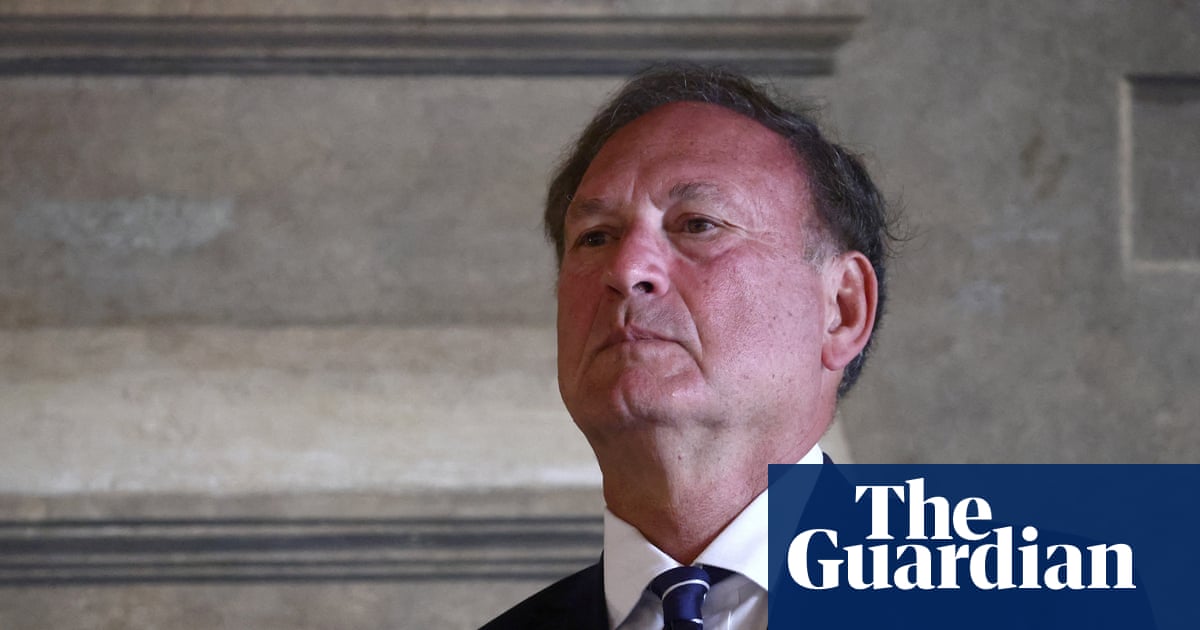
- Watchdogs say Alito may have violated ethics codes with oil stock holdings
- Senate Judiciary Committee urged to investigate Alito's Supreme Court conflicts
- Alito is the only justice with direct investments in energy companies
A coalition of government watchdog organizations has formally requested the Senate Judiciary Committee investigate Supreme Court Justice Samuel Alito over potential ethics violations tied to his personal investments in oil companies. The groups allege that Alito’s participation in cases involving the oil industry could violate federal ethics rules, given his reported stock holdings in energy firms.
In a letter sent Thursday, the coalition—led by Citizens for Responsibility and Ethics in Washington (CREW)—argued that Alito’s financial ties to fossil fuel companies may create conflicts of interest. The letter specifically cites the justice’s reported ownership of stock in ExxonMobil as a concern, given the Supreme Court’s recent rulings on environmental regulations and energy policies that could directly affect the oil sector.
Ethics rules and Supreme Court precedents questioned
Federal ethics laws require judges to recuse themselves from cases where their impartiality might reasonably be questioned due to financial conflicts. The watchdog groups contend that Alito’s stock holdings in oil companies meet this threshold, particularly as the Supreme Court has taken up multiple cases in recent years involving energy industry regulations, environmental protections, and climate-related legal challenges.
The groups point to past controversies surrounding Supreme Court justices and financial conflicts. In 2023, Justice Clarence Thomas faced scrutiny over undisclosed gifts from billionaire donors, leading to calls for stricter ethics oversight. Unlike Thomas, who resigned from a nonprofit board amid criticism, Alito has not disclosed divesting from his oil stock holdings, the watchdogs note.
Legal experts divided on severity of potential violations
Legal scholars are split on whether Alito’s stock ownership rises to the level of an ethics violation. Some argue that mere ownership of stock in a company does not automatically disqualify a justice from ruling on cases involving that industry, as long as the holdings are not excessive or the cases do not directly benefit a specific corporation. Others contend that even indirect financial interests in sectors affected by Supreme Court rulings could undermine public trust in the judiciary.
The Supreme Court’s own Code of Conduct states that justices should avoid impropriety and the appearance of impropriety. However, the code is not legally binding, and the Court has historically resisted external oversight of its ethical standards. This has fueled criticism that the nation’s highest court operates without adequate accountability.
Senate Judiciary Committee’s role in oversight
The Senate Judiciary Committee holds oversight authority over judicial ethics, including the power to hold hearings and demand testimony from Supreme Court justices. While the committee has no direct enforcement power over the Court, its investigations can pressure justices to address ethical concerns or face public scrutiny. Democrats on the committee have previously called for stronger ethics reforms for the Supreme Court, including binding ethics rules and mandatory disclosure of gifts and stock trades.
The coalition’s letter to the committee urges lawmakers to demand that Alito explain his stock holdings and recuse himself from cases involving the oil industry. It also calls for a broader review of Supreme Court ethics practices, including the implementation of a binding code of conduct. The watchdogs argue that without such measures, the Court risks further erosion of public confidence in its impartiality.
What happens next remains uncertain. The Senate Judiciary Committee has not yet responded to the letter, and Alito has not publicly commented on the allegations. However, the growing scrutiny reflects broader concerns about the Supreme Court’s transparency and accountability, particularly as high-profile cases involving corporate interests continue to reach the docket.
What You Need to Know
- Source: The Guardian
- Published: May 14, 2026 at 21:06 UTC
- Category: Environment
- Topics: #guardian · #climate · #environment · #politics · #usa · #senate
Read the Full Story
This is a curated summary. For the complete article, original data, quotes and full analysis:
All reporting rights belong to the respective author(s) at The Guardian. GlobalBR News summarizes publicly available content to help readers discover the most relevant global news.
Curated by GlobalBR News · May 14, 2026
🇧🇷 Resumo em Português
O ministro Samuel Alito, da Suprema Corte dos Estados Unidos, virou alvo de cobranças por uma investigação ética após grupos de fiscalização descobrirem que ele possuía ações de empresas de petróleo, justamente no momento em que decisões judiciais podem impactar diretamente o setor energético do país. A revelação, que expõe possíveis conflitos de interesse, levou defensores da transparência a exigir que o Senado americano abra um inquérito para apurar a conduta do magistrado, reacendendo debates sobre a integridade do sistema judiciário norte-americano.
No Brasil, onde a relação entre poder público e interesses privados também é constantemente questionada — especialmente em setores como o petrolífero, com a Petrobras no centro de polêmicas recorrentes —, o caso serve como mais um alerta sobre os riscos de decisões judiciais serem influenciadas por vínculos financeiros. A notícia chega em um momento em que a pauta ambiental ganha força global, com o Brasil pressionado a equilibrar sua matriz energética, que ainda depende fortemente de combustíveis fósseis, e as cobranças por transparência em órgãos públicos. Para o leitor brasileiro, o episódio reforça a importância de mecanismos de controle e fiscalização sobre autoridades, evitando que interesses corporativos se sobreponham ao bem comum.
A pressão sobre Alito deve crescer nas próximas semanas, com organizações da sociedade civil e parlamentares nos EUA já articulando estratégias para forçar uma resposta do Congresso — uma movimentação que pode ter reflexos até mesmo em sistemas judiciais de outros países, incluindo o Brasil.
The Guardian
Read full article at The Guardian →This post is a curated summary. All rights belong to the original author(s) and The Guardian.
Was this article helpful?


Discussion