SNP wins fifth Holyrood term but John Swinney must tackle sagging public finances and stalled independence plans.
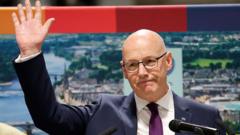
- SNP wins fifth term in Scottish Parliament on May 6
- John Swinney returns as first minister after five years
- Party faces economic pressures amid low growth and inflation
John Swinney John Swinney will lead Scotland for a third time as first minister after the Scottish National Party claimed its fifth victory in the 2026 Scottish Parliament election. The results, declared on May 6, gave the SNP 65 seats, one more than in 2021, securing a majority in the 129-seat chamber. Swinney, who previously served as deputy first minister under Nicola Sturgeon, now faces the task of stabilizing a party bruised by years of economic stagnation and constitutional gridlock.
SNP’s fifth win masks deeper struggles
The SNP’s victory masks underlying struggles. Party support dipped 1.7 percentage points from 2021 to 36.9%, while Labour surged to 34.8%, its best result since 1999. The Greens lost half their seats, falling to two, and the Conservatives slipped to 20 seats. Turnout dropped to 60.2%, the lowest since devolution began in 1999. Analysts point to voter fatigue after 17 years of SNP rule and frustration over public services despite record funding from Westminster.
Economy tops Swinney’s urgent agenda
Swinney inherits an economy grappling with flat growth, high inflation and rising public sector costs. Scotland’s GDP per capita lags behind the UK average by £2,000, and local councils warn of imminent budget crises. Finance Secretary Kate Forbes Kate Forbes faces calls to freeze council tax amid rising demand for services. Swinney has signaled a focus on economic recovery but ruled out major tax hikes, raising questions over how to fund NHS and education priorities.
Independence question remains unresolved
Independence remains the SNP’s defining issue but progress stalled after the UK Supreme Court blocked a second referendum in 2023. Swinney has promised a “mandate for independence” but faces legal and political hurdles. Labour leader Anas Sarwar Anas Sarwar dismissed calls for another vote, stating it would be “irresponsible” without cross-party consensus. The SNP’s manifesto commits to exploring “all options” but offers no clear timeline, leaving voters skeptical.
Smaller parties gain ground amid SNP fatigue
The election revealed shifting allegiances. Labour’s 34.8% share marked its strongest result in 25 years, driven by disillusioned SNP voters in urban areas. The Conservatives lost ground but held key seats in the northeast, while Reform UK gained one seat, signaling growing discontent. The Greens’ collapse raised questions over their future role in a Labour-led opposition. Turnout variations highlighted regional divides, with Glasgow posting 54% and the Highlands 70%.
What happens next for the SNP and Scotland
Swinney must now finalize his cabinet and legislative agenda ahead of the summer recess. Key priorities include a new economic strategy, NHS reform and cross-party talks on fiscal stability. Analysts expect a cautious approach, avoiding bold moves that could alienate supporters or provoke Westminster. The party’s ability to deliver on bread-and-butter issues may determine whether Swinney’s leadership lasts beyond the next election cycle.
What You Need to Know
- Source: BBC News
- Published: May 09, 2026 at 07:41 UTC
- Category: Politics
- Topics: #bbc · #politics · #election · #historic · #holyrood-john-swinney
Read the Full Story
This is a curated summary. For the complete article, original data, quotes and full analysis:
All reporting rights belong to the respective author(s) at BBC News. GlobalBR News summarizes publicly available content to help readers discover the most relevant global news.
Curated by GlobalBR News · May 09, 2026
Related Articles
- Starmer’s leadership under pressure as Labour MPs question authority
- UK Labour’s Wes Streeting confirms leadership bid if race starts
🇧🇷 Resumo em Português
O Partido Nacional Escocês (SNP) garantiu mais um mandato histórico no Parlamento escocês, consolidando sua liderança na região após cinco eleições consecutivas, mas o novo governo de John Swinney já enfrenta pressões intensas por respostas concretas sobre economia e o futuro da Escócia, incluindo a polêmica questão da independência. A vitória, embora esperada, chega em um momento crítico, com desafios profundos que exigirão decisões rápidas e estratégicas para manter a unidade do partido e a confiança da população.
No contexto brasileiro, onde a discussão sobre autonomia estadual e federalismo é constante, o caso escocês serve como um espelho para debater até que ponto as regiões podem buscar maior independência dentro de um Estado-nação. A Escócia, que já tem um grau avançado de autogoverno, enfrenta agora dilemas semelhantes aos de estados brasileiros que buscam mais recursos ou poderes, como o Pará ou o Rio Grande do Sul, mas com a ressalva de um movimento separatista histórico e organizado. A economia frágil, a inflação persistente e a pressão por um novo referendo sobre a independência tornam esse cenário especialmente relevante para quem acompanha a dinâmica das relações entre centros e periferias.
Com a população dividida e as instituições britânicas em alerta, Swinney terá que equilibrar promessas de campanha com a realidade de um país que ainda se recupera das crises pandêmica e energética, definindo se a Escócia avançará rumo a um novo plebiscito ou se priorizará estabilidade e reformas internas.
🇪🇸 Resumen en Español
El Partido Nacional Escocés (SNP) revalida su dominio en Holyrood con un quinto mandato consecutivo, pero John Swinney hereda un gobierno marcado por crisis económicas y tensiones independentistas. La victoria en las elecciones del 6 de mayo refuerza la hegemonía del partido en Escocia, aunque deja al frente a un líder que deberá navegar entre la presión fiscal y el pulso con Londres por la autodeterminación.
El contexto es especialmente complejo: con el crecimiento económico estancado y el debate sobre la independencia más polarizado que nunca, Swinney tendrá que equilibrar las demandas de su base con las realidades presupuestarias. Para los hispanohablantes, este escenario resuena con los desafíos que enfrentan otros gobiernos regionales en Europa, donde la búsqueda de mayor autonomía choca con las limitaciones financieras y las tensiones políticas. La capacidad del SNP para mantener su discurso independentista sin ahuyentar a los votantes moderados será clave en los próximos años.
BBC News
Read full article at BBC News →This post is a curated summary. All rights belong to the original author(s) and BBC News.
Was this article helpful?


Discussion