CAR T cell therapy, used for cancer, reversed multiple sclerosis symptoms in a Nebraska patient after other treatments failed.
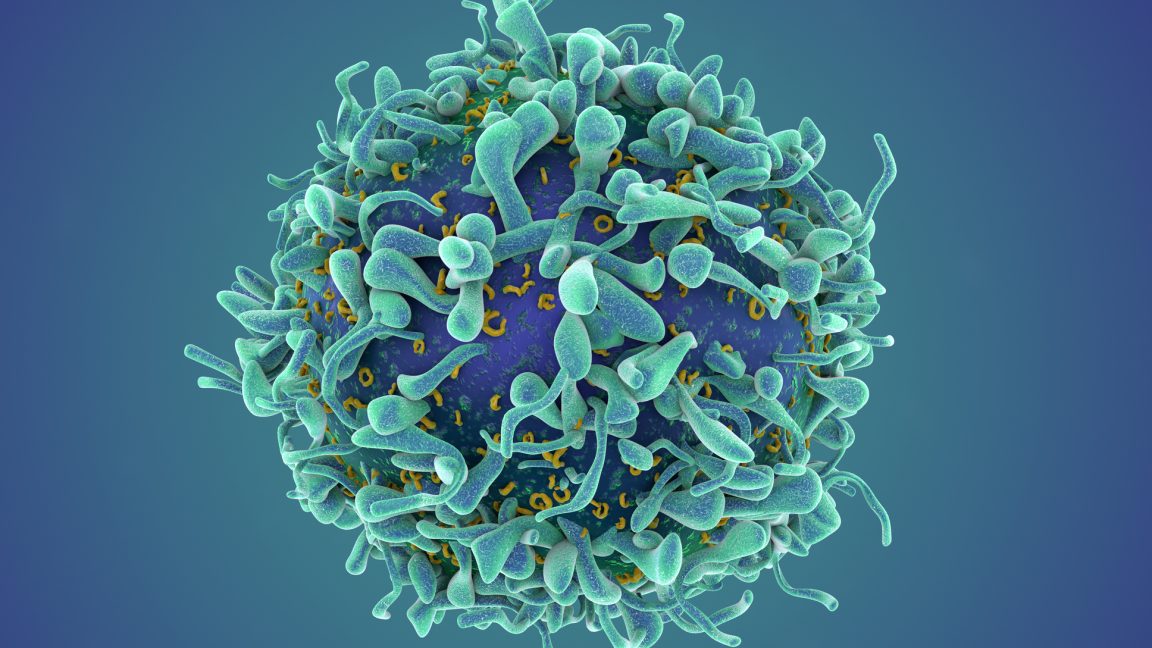
- CAR T cell therapy originally designed for cancer reversed MS symptoms in a patient
- Jan Janisch-Hanzlik regained mobility and stopped using a cane after treatment
- Trial at University of Nebraska Medical Center shows early promise for MS patients
Jan Janisch-Hanzlik was running out of options. At 49, the active nurse’s multiple sclerosis had progressed so much that she had to quit her job, move into a wheelchair-accessible home, and worry every day about whether she could still lift her grandchildren. The best treatments available hadn’t touched her symptoms. So when she heard about a CAR T cell therapy trial at the University of Nebraska Medical Center in Omaha, she didn’t wait for an invitation—she called every other month until she could enroll as the first patient in Nebraska’s program. That persistence changed her life in ways she never expected.
CAR T cell therapy isn’t new—doctors have used it for over a decade to attack cancer cells by genetically engineering a patient’s own immune cells to recognize and destroy tumors. But at Nebraska Medicine, researchers are testing whether the same technology can be flipped to calm an overactive immune system instead of attacking it. Multiple sclerosis happens when the body’s defenses mistakenly turn on nerve fibers in the brain and spinal cord. The CAR T approach reprograms immune cells to ignore those healthy tissues, effectively hitting the brakes on an autoimmune attack.
The results so far are striking. After just one treatment, Janisch-Hanzlik’s symptoms improved dramatically. She can walk without a cane, carry her grandchildren, and even considers going back to work. Her neurologist, Dr. Joanne Wagner, says her MRI scans show fewer MS lesions than before the therapy. ‘We weren’t expecting this kind of response so quickly,’ Wagner told reporters. ‘Most MS drugs take months to show benefits, and even then, the improvements are modest.’ Doctors caution that this is just one patient, but the early data has them excited about larger trials.
How CAR T cell therapy works for autoimmune diseases
The therapy starts with a simple blood draw. Technicians extract T cells, a type of white blood cell, from the patient’s arm. In a lab, they modify these cells with synthetic receptors—chimeric antigen receptors, or CARs—that target a specific protein on immune cells driving the disease. The reprogrammed cells are then multiplied in the lab before being infused back into the patient. Once inside, they hunt down and deactivate the rogue immune cells responsible for multiple sclerosis.
What makes this approach different is precision. Unlike broad-spectrum immunosuppressants that weaken the entire immune system, CAR T therapy zeroes in on the exact cells causing harm. That could mean fewer side effects and more effective treatment. The Nebraska team isn’t the only one testing this idea. Similar trials are underway in Germany and the U.S. for diseases like lupus and myasthenia gravis. Early results suggest the therapy can put some patients into long-term remission.
Janisch-Hanzlik’s case isn’t a cure, but it’s a strong signal that the approach works. Before the treatment, she relied on a cane and struggled to stand for more than a few minutes. Now, she walks her dog daily and even danced at her daughter’s wedding. ‘I never thought I’d get this kind of life back,’ she said. ‘I’m not saying I’m cured, but I’m definitely not the person I was six months ago.’
What happens next for CAR T and multiple sclerosis
The Nebraska trial is still recruiting patients with aggressive, treatment-resistant multiple sclerosis. Researchers plan to enroll 15 more people by the end of the year and follow them for at least two years. If the results hold up, they’ll push for larger studies that could lead to FDA approval. But hurdles remain. CAR T therapy is expensive—often costing over $500,000 per patient—and requires specialized hospital care. Insurance companies haven’t yet decided whether they’ll cover it for autoimmune diseases, even if trials succeed.
For now, Janisch-Hanzlik is just enjoying the small things she almost lost: carrying groceries, hugging her kids, and laughing without fear of falling. ‘I know this isn’t magic,’ she said. ‘But it’s given me back my life, and that’s worth everything.’ Doctors agree this could be a turning point, but they’re also realistic. ‘We need more data,’ Wagner said. ‘But if this works for Jan, it could work for others.’
The bigger picture? CAR T therapy might not just be for cancer anymore. Autoimmune diseases affect millions, and current treatments often come with brutal side effects. If this trial expands successfully, it could open the door to entirely new ways of treating conditions like rheumatoid arthritis, type 1 diabetes, and even some forms of dementia. The science is still young, but the early signs are hard to ignore.
What You Need to Know
- Source: Ars Technica
- Published: May 17, 2026 at 11:00 UTC
- Category: Technology
- Topics: #arstechnica · #tech · #science · #health · #cancer · #medicine
Read the Full Story
This is a curated summary. For the complete article, original data, quotes and full analysis:
All reporting rights belong to the respective author(s) at Ars Technica. GlobalBR News summarizes publicly available content to help readers discover the most relevant global news.
Curated by GlobalBR News · May 17, 2026
Related Articles
- Trump Brand’s First Phone Finally Ships After 9-Month Holdup
- NYT Connections Sports Edition Answers & Hints for May 17, #601
🇧🇷 Resumo em Português
Uma terapia revolucionária, até então restrita ao combate ao câncer, acaba de mostrar resultados surpreendentes no tratamento da esclerose múltipla, doença que afeta cerca de 40 mil brasileiros e cerca de 2,8 milhões de pessoas no mundo. Em um ensaio clínico pioneiro realizado no Nebraska, nos Estados Unidos, a terapia com células CAR T — que modifica geneticamente os linfócitos do paciente para atacar células doentes — conseguiu reverter sintomas da esclerose múltipla em pacientes iniciais, como no caso de Jan Janisch-Hanzlik, o primeiro voluntário do estudo, que agora apresenta melhora significativa.
O Brasil, que já utiliza a terapia CAR T para alguns tipos de câncer desde 2020, agora se aproxima de uma nova fronteira médica: o uso dessa técnica no tratamento de doenças autoimunes, como a esclerose múltipla. Especialistas brasileiros já demonstram otimismo com os resultados preliminares, que sugerem que a terapia pode não apenas estabilizar a doença, mas promover uma reversão dos danos neurológicos, algo inédito até então. A expectativa é que, em breve, estudos clínicos sejam expandidos para centros brasileiros, o que poderia transformar o tratamento de milhares de pacientes no país, reduzindo a dependência de medicamentos imunossupressores com efeitos colaterais severos.
Se os resultados forem confirmados em estudos maiores, a terapia CAR T pode se tornar uma alternativa viável e promissora para os cerca de 15% de pacientes com esclerose múltipla que não respondem aos tratamentos convencionais, marcando um novo capítulo na medicina brasileira.
🇪🇸 Resumen en Español
Una terapia pionera con células CAR T, diseñada inicialmente para combatir el cáncer, ha logrado revertir los síntomas de la esclerosis múltiple en los primeros ensayos clínicos, abriendo una esperanza sin precedentes para los millones de afectados en el mundo hispanohablante. El caso de Jan Janisch-Hanzlik, el primer paciente tratado en un centro de Nebraska, ha conmocionado a la comunidad científica al demostrar una remisión notable de la enfermedad tras solo tres meses de aplicación.
El estudio, aún en fase preliminar, sugiere que esta técnica —que modifica genéticamente los linfocitos T del paciente para atacar células dañinas— podría convertirse en un tratamiento revolucionario para enfermedades autoinmunes, donde el sistema inmunitario ataca por error al propio organismo. Para los hispanohablantes, especialmente en países como España o México con alta incidencia de esclerosis múltiple, este avance representa una luz al final del túnel, aunque los expertos advierten que aún faltan años de investigación antes de que sea accesible. La noticia reaviva el debate sobre la versatilidad de las terapias CAR T, tradicionalmente vinculadas al cáncer, y su potencial para transformar el futuro de la medicina.
Ars Technica
Read full article at Ars Technica →This post is a curated summary. All rights belong to the original author(s) and Ars Technica.
Was this article helpful?


Discussion