Record diesel prices during spring planting hit US farmers reeling from $34.6bn in tariff losses this year.
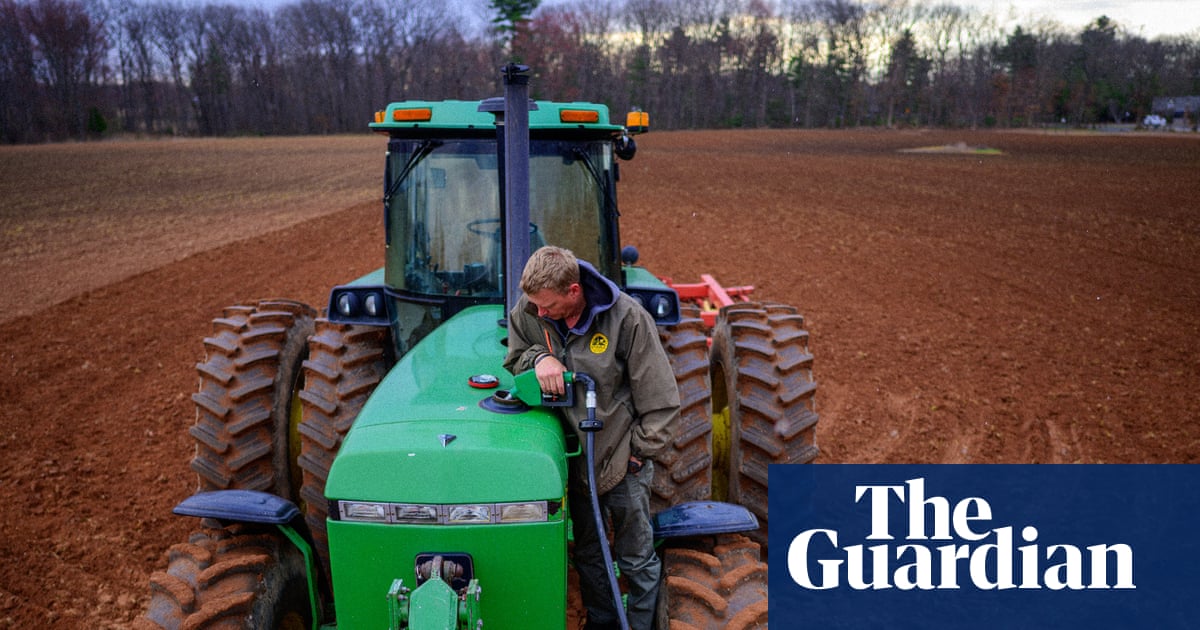
- Diesel prices hit record highs during critical spring planting season
- Iran war disrupts fertilizer supplies and drives up fuel costs
- Farmers already lost $34.6bn to tariffs last year
📰 Continuing coverage: US wheat farmers face losses as heat and drought hit Plains crops
Diesel prices have hit record highs this spring, crippling American farmers who say the timing couldn’t be worse. The war with Iran has choked off fertilizer supplies and sent diesel fuel prices soaring, adding insult to injury after last year’s $34.6 billion in trade losses from tariffs. Farmers like Lance Thurn—a corn grower in Iowa—say they’re barely keeping their heads above water as costs for everything from fuel to fertilizer skyrocket. “We’re getting squeezed from every direction,” Thurn said. “This isn’t just bad luck—it’s a perfect storm.” Diesel is the lifeblood of modern farming. Most tractors and combines run on diesel engines because they’re more fuel-efficient than gasoline-powered machines. But with prices hitting record highs, farmers are burning through cash just to keep their equipment running. The USDA estimates that fuel costs could eat up 10% of a typical farm’s operating budget this year, up from 6% last year. That’s money that could’ve gone toward seeds, repairs, or even basic living expenses. Last year’s tariffs on crops like soybeans and corn made things worse. Exports to China and other major buyers dropped sharply, leaving farmers with warehouses full of unsold grain and empty bank accounts. Now, with diesel prices climbing, the spring planting season is becoming a financial nightmare. The timing is brutal. Farmers need to plant crops now to have any chance of a harvest later this year. But high fuel costs mean they’re spending more just to get their equipment into the fields. Many are cutting back on acreage or delaying purchases of new machinery. Some are even considering selling their farms altogether. The fertilizer shortage adds another layer of pain. Iran is a major global supplier of urea, a key ingredient in nitrogen fertilizers. With sanctions tightening and shipping routes disrupted, farmers are paying up to 50% more for fertilizer than last year. That means smaller margins—or no profits at all—for crops that were already tight before prices jumped. ## Farmers say they’re running out of options The frustration is palpable in farm country. In Nebraska, wheat farmer Maria Villanueva says her diesel bill for this season jumped from $8,000 to nearly $15,000. “I don’t know how we’ll make it,” she said. “We’re taking out loans just to plant the crop, and if prices don’t go up, we’ll be in even worse shape next year.” The American Farm Bureau estimates that 40% of farmers nationwide are operating at a loss this year. That’s up from 25% last year. The group blames a combination of high input costs, lower crop prices, and unpredictable trade policies. Even before the Iran war and diesel spikes, many farms were already on the edge. The USDA reports that farm bankruptcies rose 24% in 2023 compared to the previous year. This year’s numbers could be even worse. ## What’s driving diesel prices so high? The war in Iran is only part of the story. Global diesel prices were already climbing due to post-pandemic demand and refinery closures. But the conflict in the Middle East has made things far worse. Sanctions on Iran have reduced global oil supplies, and shipping disruptions have sent freight rates through the roof. Meanwhile, domestic production hasn’t kept up. The US has shuttered several refineries in recent years, leaving the country more dependent on imports. The result? Prices at the pump for diesel are up 50% since last year, hitting $4.85 per gallon on average nationwide. In some Midwestern states, farmers are paying even more. ## The ripple effects could last for years If farmers can’t afford to plant or harvest crops this year, the consequences will stretch far beyond their fields. Food prices could climb as supplies tighten. Rural economies—already struggling—could take another hit as farm-related businesses close or downsize. The USDA warns that a prolonged crisis could lead to a wave of consolidations, where larger farms buy out smaller ones, further reducing the number of independent farmers. Some economists say the government could step in with aid, but there’s no guarantee. Last year’s trade assistance programs helped some farmers, but critics argue they weren’t enough to cover the losses. Others say the focus should be on long-term solutions: stabilizing trade relationships, investing in domestic fertilizer production, and making biofuels more viable as an alternative. For now, farmers are hunkering down. They’re cutting costs where they can, praying for good weather, and hoping diesel prices drop before the next harvest. But the odds aren’t in their favor.
What You Need to Know
- Source: The Guardian
- Published: May 07, 2026 at 12:00 UTC
- Category: Environment
- Topics: #guardian · #climate · #environment · #war · #conflict · #diesel
Read the Full Story
This is a curated summary. For the complete article, original data, quotes and full analysis:
All reporting rights belong to the respective author(s) at The Guardian. GlobalBR News summarizes publicly available content to help readers discover the most relevant global news.
Curated by GlobalBR News · May 07, 2026
🇧🇷 Resumo em Português
O Brasil acende o alerta: a alta do diesel no campo norte-americano mostra como a crise energética global pode sufocar a agricultura em qualquer canto do mundo. Enquanto os preços do combustível batem recordes nos Estados Unidos devido a conflitos no Oriente Médio e escassez de fertilizantes, a situação expõe uma vulnerabilidade que não poupa nem os gigantes do agronegócio. No Brasil, onde o diesel é insumo vital para a produção agrícola e o transporte de safras, o cenário serve como espelho de um problema que pode se agravar com a dependência de insumos importados e a volatilidade geopolítica.
A crise nos EUA é apenas a ponta do iceberg: a guerra na Ucrânia já desestabilizou os mercados de fertilizantes, e a alta do diesel — que representa até 30% dos custos operacionais de uma fazenda — pressiona produtores já fragilizados por tarifas e secas extremas. No Brasil, onde o agronegócio responde por 27% do PIB, a preocupação ganha contornos nacionais, especialmente em estados como Mato Grosso e Paraná, onde a mecanização é intensa. A situação reforça a necessidade de políticas públicas que incentivem biocombustíveis — como o etanol — e reduzam a exposição do setor aos choques externos, além de investimentos em transporte ferroviário e hidroviário para baratear a logística.
Se nada for feito, o Brasil pode repetir a história de sufocamento dos produtores norte-americanos, com colheitas ameaçadas e alimentos mais caros na mesa do brasileiro.
The Guardian
Read full article at The Guardian →This post is a curated summary. All rights belong to the original author(s) and The Guardian.
Was this article helpful?



Discussion