Israel strikes southern Lebanon, killing six including three paramedics, hours after ceasefire extension; Hamas military chief reported dead in Gaza.
- Israel strikes southern Lebanon hours after ceasefire extension agreement
- Three paramedics among six killed in Israeli airstrikes
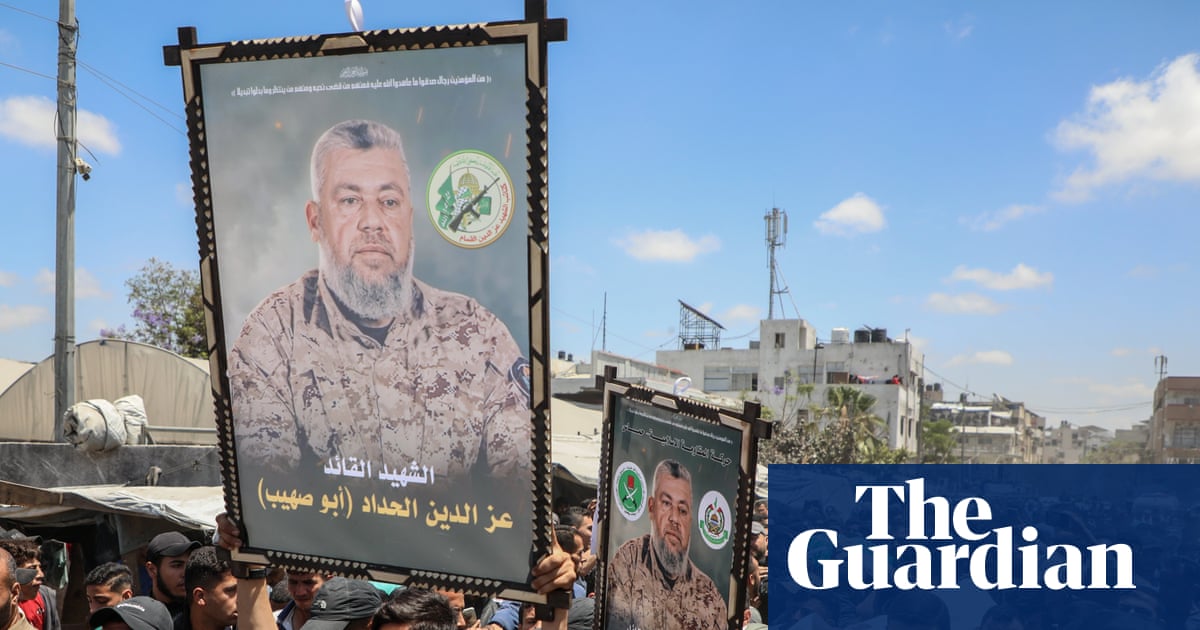
- Israel claims Hamas military chief Izz al-Din al-Haddad killed in Gaza
Israeli warplanes launched airstrikes in southern Lebanon on Friday, killing at least six people, including three paramedics working at a health center, hours after Israel and Lebanon agreed to extend a 48-hour ceasefire. The strikes targeted a densely populated area, according to Lebanese officials, who condemned the attack as a violation of the truce. Israel’s military did not immediately comment on the Lebanese strikes but confirmed a separate operation in Gaza that killed Izz al-Din al-Haddad, the military chief of Hamas. The Israel Defense Forces stated al-Haddad was responsible for orchestrating attacks against Israeli civilians and soldiers.
Escalation follows fragile ceasefire extension
The airstrikes in Lebanon came as diplomats from both countries finalized a deal to extend a temporary halt to hostilities, which had been set to expire at midnight local time. Lebanese Prime Minister Najib Mikati described the Israeli strikes as a “blatant aggression” and summoned the U.S. and French ambassadors to demand international condemnation. The ceasefire, brokered by Qatar and Egypt, had halted cross-border fire for two days, offering a brief respite to civilians on both sides of the border.
Israeli officials did not link the Lebanese strikes to the Gaza operation but framed al-Haddad’s death as a significant blow to Hamas. Al-Haddad, a senior commander in Hamas’s military wing, had been a key figure in planning rocket attacks and infiltration attempts into Israel. The Hamas militant group has not yet confirmed his death but typically acknowledges losses within days of major strikes.
Health center struck amid ongoing tensions
The health center in southern Lebanon, where three paramedics were killed, serves a community already strained by months of sporadic violence. Local health workers described the facility as overwhelmed, with limited supplies and personnel. The United Nations Interim Force in Lebanon (UNIFIL) urged restraint and called for an investigation into the attack, emphasizing the need to protect civilian infrastructure.
In Gaza, the Israeli strike that killed al-Haddad targeted a residential building in Khan Younis, according to Palestinian officials. Residents reported a massive explosion followed by Israeli drone surveillance overhead. Hamas has vowed retaliation, but its ability to escalate has been constrained by Israel’s ongoing ground operations and air campaign, which have devastated much of the territory.
Broader implications for regional stability
The dual operations in Lebanon and Gaza underscore the fragile state of ceasefires in the region, where sporadic violence often erupts despite diplomatic efforts. Analysts warn that the killing of a high-ranking Hamas official could provoke further attacks, potentially derailing fragile truces. The Lebanese government, already grappling with economic collapse and political instability, faces pressure to respond to the strikes without triggering a wider conflict.
The U.S. State Department reiterated its support for de-escalation but did not comment on the legitimacy of the Israeli operations. Meanwhile, Lebanese political factions, including Hezbollah, have called for unified resistance against Israel. The group, which has fought multiple wars with Israel, has so far limited its involvement to supporting Hamas and other factions without direct confrontation.
What comes next remains uncertain. The extended ceasefire in Lebanon could collapse if either side perceives the other as violating its terms. In Gaza, Hamas’s response to al-Haddad’s death may determine whether Israel intensifies its military campaign or seeks a temporary pause to negotiate hostage releases or aid deliveries.
What You Need to Know
- Source: The Guardian
- Published: May 16, 2026 at 15:57 UTC
- Category: World
- Topics: #guardian · #world-news · #international · #war · #military · #defense
Read the Full Story
This is a curated summary. For the complete article, original data, quotes and full analysis:
All reporting rights belong to the respective author(s) at The Guardian. GlobalBR News summarizes publicly available content to help readers discover the most relevant global news.
Curated by GlobalBR News · May 16, 2026
Related Articles
- Zimbabwe’s diaspora reshapes real estate and farming investment trends
- 🎉 250 Articles in World!
- Eurovision 2024 faces scrutiny over Israel’s participation amid war
🇧🇷 Resumo em Português
Israel intensificou seus ataques aéreos no sul do Líbano na madrugada desta terça-feira, ceifando seis vidas, entre elas três profissionais de saúde, apenas horas após a prorrogação de um cessar-fogo entre Hezbollah e Israel. Os bombardeios, que atingiram áreas residenciais e postos médicos, reacenderam temores de uma escalada do conflito na fronteira, já marcada por semanas de trocas de tiros e retaliações mútuas.
O episódio ocorre em um momento crítico, quando a comunidade internacional tenta desesperadamente estabilizar a região, evitando uma guerra total que poderia arrastar não só o Líbano e Israel, mas também envolvê-los em um cenário ainda mais complexo no Oriente Médio. Para o Brasil, que mantém relações diplomáticas com ambos os lados e abriga uma das maiores diásporas libanesa e árabe do mundo, a situação reforça a urgência de atuação brasileira em fóruns internacionais, como a ONU, para mediar conflitos e proteger civis. Além disso, a violência recente afeta diretamente a segurança de comunidades brasileiras no exterior, especialmente no Líbano, onde milhares de conterrâneos residem.
A próxima rodada de negociações, prevista para esta semana, será crucial para determinar se o cessar-fogo se sustenta ou se a região mergulhará em uma nova onda de violência, com potenciais reflexos globais.
🇪🇸 Resumen en Español
El reciente bombardeo israelí en el sur de Líbano, que acabó con la vida de seis personas, entre ellas tres sanitarios, ha reavivado la tensión en la región justo cuando se alargaba una frágil tregua. El ataque, ocurrido a escasas horas de prorrogarse el alto el fuego, sitúa en jaque la estabilidad de un territorio ya de por sí azotado por décadas de conflicto.
El incidente subraya la volatilidad de Oriente Medio, donde la escalada militar entre Israel y grupos armados libaneses —como Hezbolá— amenaza con desestabilizar aún más una zona clave para la seguridad regional. Para los hispanohablantes, este tipo de noticias recuerda la urgencia de buscar soluciones diplomáticas en conflictos enquistados, así como el impacto humanitario sobre civiles y profesionales sanitarios, que pagan con sus vidas el precio de la guerra. La comunidad internacional, mientras tanto, observa con preocupación cómo se desvanecen los esfuerzos por consolidar una paz duradera.
The Guardian
Read full article at The Guardian →This post is a curated summary. All rights belong to the original author(s) and The Guardian.
Was this article helpful?


Discussion