Mustafa Suleyman says AI will replace human-level office work in 18 months.
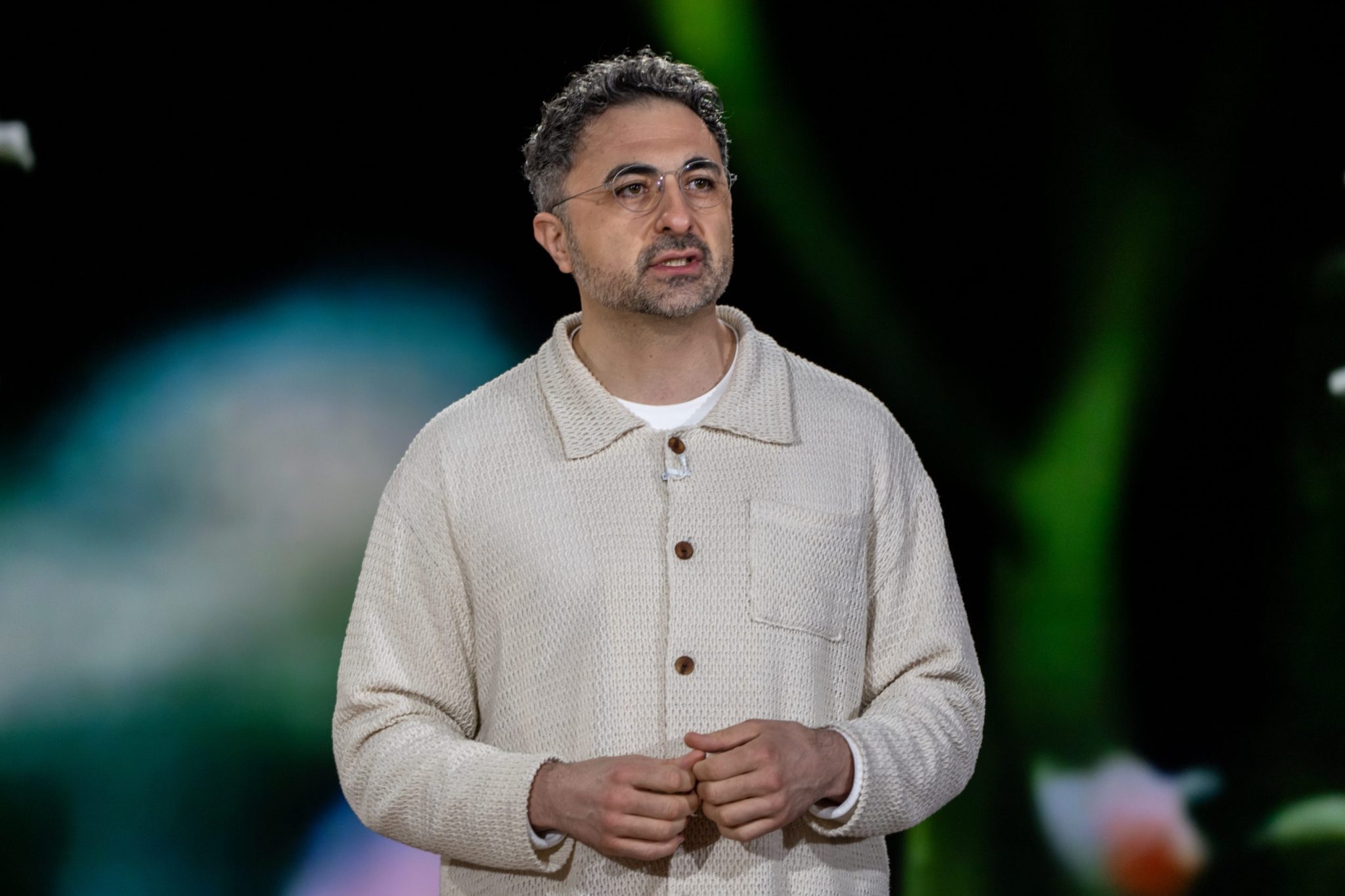
- Microsoft AI CEO warns white-collar jobs at risk within 18 months
- AI predicted to match human performance on most professional tasks soon
- MBA and law grads among those facing job displacement
Microsoft AI chief Mustafa Suleyman has warned that artificial intelligence will achieve human-level performance on most professional tasks within 18 months, signaling a major shift in white-collar employment. The prediction, made during a Financial Times interview earlier this year, suggests that traditional office roles—from legal research to financial analysis—could soon be performed by AI systems at scale.
Suleyman, co-founder of Google DeepMind and former head of AI policy at Google, told the Financial Times that current advancements in AI computational power and algorithmic efficiency will enable machines to handle complex cognitive tasks once reserved for highly educated professionals. “We’re approaching a point where AI can perform at or above human levels on most professional activities,” he said. “That includes tasks that require advanced degrees, specialized training, and years of experience.”
What jobs are most at risk?
The sectors most likely to see immediate disruption include legal services, where document review and case law analysis could be fully automated, and business consulting, where strategic planning and financial modeling may soon be handled by AI systems. Even mid-level white-collar roles such as paralegals, market researchers, and financial analysts are expected to face significant pressure as AI tools become more capable.
Suleyman’s timeline suggests that graduates from top MBA and law programs—once considered secure career paths—could find their roles replicated by AI within two years. While entry-level positions are most vulnerable, even senior professionals may see portions of their workload absorbed by intelligent automation.
Why now? The rise of generative AI
The acceleration stems from the rapid development of large language models and generative AI systems like those powering Microsoft Copilot and OpenAI’s ChatGPT. These systems are trained on vast datasets of human knowledge and can now generate coherent, context-aware responses to complex queries. Earlier this year, Microsoft demonstrated an AI model capable of passing the U.S. medical licensing exam—a milestone that underscores the growing competence of AI in highly technical domains.
Industry analysts note that the real disruption will come not from isolated AI tools, but from integrated systems that combine natural language processing, data analysis, and decision-making into unified workflows. Companies are already deploying AI agents that can draft contracts, analyze financial statements, and even negotiate deals—functions traditionally reserved for human professionals.
The human factor: What remains irreplaceable?
Despite the rapid progress, Suleyman emphasized that not all professional work will vanish. Roles requiring genuine creativity, emotional intelligence, complex ethical judgment, and interpersonal leadership are likely to persist longer. “AI can mimic empathy and simulate human interaction,” he said, “but it doesn’t truly understand or feel it.”
This distinction may protect professions in healthcare, education, creative arts, and senior management—fields where human connection and nuanced decision-making remain essential. Still, even these areas are seeing AI augmentation, with tools assisting doctors in diagnostics and teachers in personalized learning.
A call for adaptation and policy response
Suleyman’s warning comes amid growing calls for workforce retraining and policy intervention. Economists and labor experts are urging governments and companies to invest in reskilling programs focused on AI collaboration rather than replacement. The shift could require millions of workers to transition into roles that emphasize oversight, ethical governance, or creative problem-solving—areas where humans still hold an edge.
Critics argue that the transition could exacerbate inequality if access to reskilling opportunities is unevenly distributed. Some labor advocates are pushing for policies that ensure broad access to education and retraining, while others warn of potential job losses in the tens of millions over the next decade.
As AI systems grow more powerful, the question is no longer whether automation will impact white-collar jobs—but how fast and how society will respond. Suleyman’s 18-month window serves as both a warning and a call to action for professionals, educators, and policymakers alike.
What You Need to Know
- Source: Fortune
- Published: May 16, 2026 at 12:29 UTC
- Category: Business
- Topics: #fortune · #business · #economy · #microsoft · #henry-luce · #financial-times
Read the Full Story
This is a curated summary. For the complete article, original data, quotes and full analysis:
All reporting rights belong to the respective author(s) at Fortune. GlobalBR News summarizes publicly available content to help readers discover the most relevant global news.
Curated by GlobalBR News · May 16, 2026
Related Articles
- Lawyers sanctioned $110K for fake AI citations in landmark Oregon case
- Meta cuts 8,000 jobs as AI spending surges amid capitalism debate
🇧🇷 Resumo em Português
O futuro do trabalho está prestes a mudar radicalmente: em até 18 meses, tarefas antes exclusivas de profissionais de colarinho branco — desde redação de relatórios até análises jurídicas — podem ser completamente automatizadas pela inteligência artificial. Essa previsão, feita pelo CEO de IA da Microsoft, Mustafa Suleyman, acende um alerta global sobre a velocidade com que a tecnologia está redefinindo o mercado de trabalho, especialmente em um país como o Brasil, onde setores como serviços financeiros e jurídicos já dependem cada vez mais de soluções digitais.
O impacto para o Brasil é duplo: por um lado, a automação pode aumentar a produtividade e reduzir custos em empresas, impulsionando a economia em áreas como contabilidade e consultoria; por outro, há o risco iminente de demissões em massa e a necessidade urgente de requalificação profissional. Com uma população economicamente ativa de mais de 100 milhões de pessoas e um mercado de trabalho ainda em recuperação pós-pandemia, o desafio será equilibrar inovação e inclusão social, evitando um colapso ainda maior nas oportunidades de emprego formal.
Se confirmada, a previsão de Suleyman pode acelerar a adoção de políticas públicas voltadas para a educação continuada e a regulamentação da IA, transformando não só a forma como trabalhamos, mas também como o Estado e as empresas lidam com a transição tecnológica.
🇪🇸 Resumen en Español
La inteligencia artificial está a punto de revolucionar el mercado laboral, según el máximo responsable de IA de Microsoft, Mustafa Suleyman, que vaticina que en menos de dos años la tecnología alcanzará un nivel de rendimiento equivalente al humano en la mayoría de tareas profesionales. Este pronóstico, que sugiere una automatización masiva de empleos de oficina, no solo redefine el futuro del trabajo, sino que plantea desafíos sin precedentes para economías y sociedades acostumbradas a un modelo laboral basado en el conocimiento humano.
El anuncio de Suleyman, excoordinador de políticas de IA en el Reino Unido, subraya la aceleración sin freno de la innovación tecnológica y su impacto directo en sectores como la administración, la abogacía o la consultoría. Para el público hispanohablante, donde sectores como el financiero en España o el tecnológico en Latinoamérica son pilares económicos, la noticia advierte sobre la necesidad de adaptar los sistemas educativos y las políticas laborales. La pregunta ya no es si la IA reemplazará ciertos empleos, sino cómo prepararse para un escenario en el que la productividad y la competitividad dependerán, en gran medida, de la capacidad para integrar estas herramientas sin dejar atrás a millones de trabajadores.
Fortune
Read full article at Fortune →This post is a curated summary. All rights belong to the original author(s) and Fortune.
Was this article helpful?


Discussion