New study using 410,000 Reddit posts finds GLP-1 drugs like Ozempic may cause chills, hot flashes, and irregular periods.
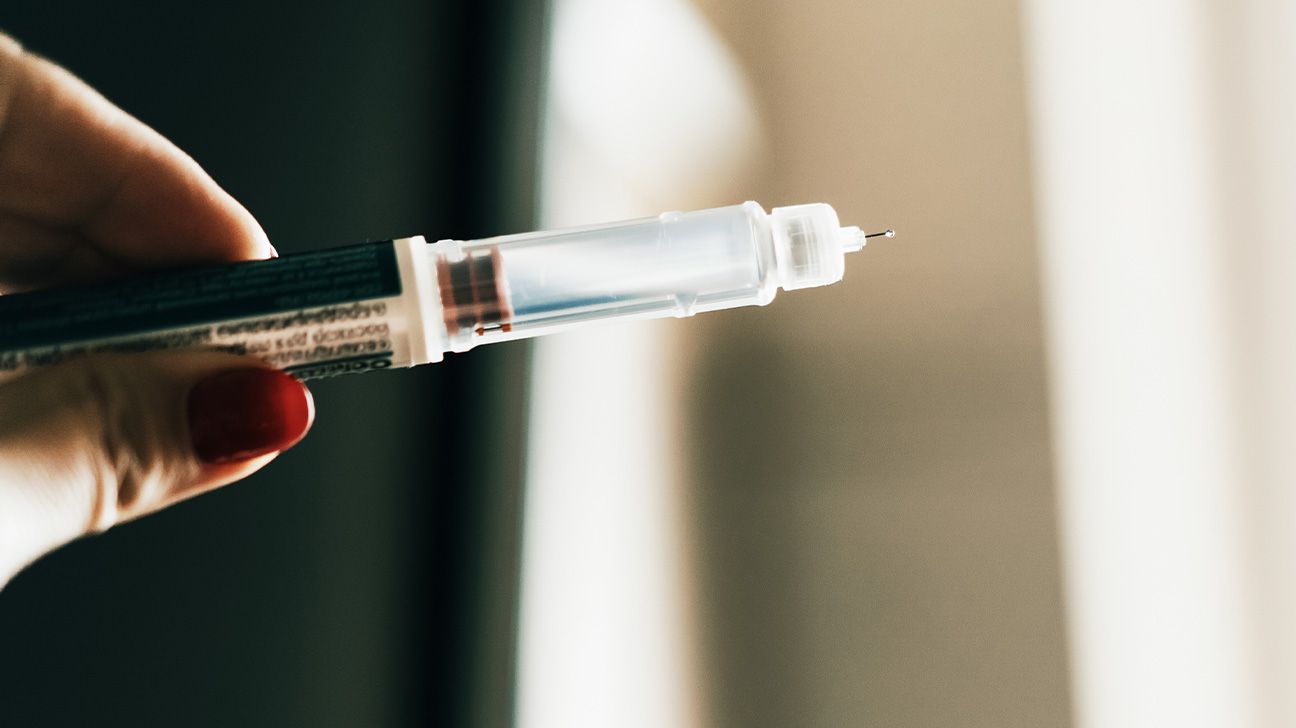
- Researchers analyzed 410,000 Reddit posts about GLP-1 drugs
- Study identified chills, hot flashes, and irregular periods as side effects
- GLP-1 medications include Ozempic, Wegovy, and Mounjaro
GLP-1 receptor agonists like Ozempic glucagon-like peptide-1, Wegovy, and Mounjaro tirzepatide have surged in popularity for diabetes and weight loss treatment. A new study published in Nature Health reveals these medications may come with side effects users rarely discuss—chills, hot flashes, and menstrual changes among them. Researchers combed through 410,198 Reddit posts mentioning the drugs, uncovering patterns of symptoms not widely reported in clinical trials.
Social media reveals hidden side effects
The study’s authors used natural language processing to sift through years of Reddit discussions about GLP-1 medications. Among 1,568 distinct side effects identified, chills appeared in 2.2% of posts, while hot flashes were noted in 1.8%. Women taking these drugs also reported irregular menstrual cycles, a symptom not typically listed in official prescribing information. The findings suggest real-world experiences differ from controlled clinical trial data.
GLP-1 drugs work by mimicking hormones that regulate blood sugar and appetite. Ozempic, approved for type 2 diabetes in 2017, gained widespread attention after its weight-loss sibling Wegovy received FDA approval in 2021. Mounjaro, approved in 2022 for diabetes and increasingly used off-label for weight loss, targets both GLP-1 and GIP receptors. Despite their effectiveness, side effects like nausea and constipation are well-documented—but chills and hot flashes have flown under the radar.
Why these side effects may occur
Experts attribute these symptoms to the drugs’ impact on the nervous system and hormonal pathways. Dr. Adrian Vella, an endocrinologist at Mayo Clinic, notes that GLP-1 receptors are present in multiple body systems beyond the pancreas. “These medications can affect thermoregulation and vascular responses,” Vella says, explaining why some users experience sudden temperature changes. The drugs may also disrupt the hypothalamic-pituitary axis, which governs menstruation and temperature control.
What patients and doctors should know
Patients taking GLP-1 medications should report unusual symptoms to their healthcare providers immediately. Doctors emphasize that side effects vary widely and may not affect everyone. “Not every patient will experience these symptoms,” says Dr. Fatima Cody Stanford, an obesity medicine specialist at Massachusetts General Hospital. She advises patients to monitor changes in body temperature or menstrual patterns and discuss adjustments with their physicians.
Broader implications for GLP-1 medications
The study highlights the need for more comprehensive post-market surveillance of GLP-1 drugs. While clinical trials provide essential data, real-world evidence from platforms like Reddit offers a broader view of patient experiences. Researchers call for further investigation into long-term effects and less common side effects. The findings may prompt updates to patient counseling materials and drug warnings.
As GLP-1 medications remain in high demand, both patients and prescribers must stay informed about potential side effects. The new data underscores the importance of open communication between doctors and patients about all symptoms—even those not listed in standard warnings.
What You Need to Know
- Source: Healthline
- Published: May 16, 2026 at 19:20 UTC
- Category: Health
- Topics: #health · #wellness · #medicine · #hidden-side-effects · #drugs · #ozempic-chills
Read the Full Story
This is a curated summary. For the complete article, original data, quotes and full analysis:
All reporting rights belong to the respective author(s) at Healthline. GlobalBR News summarizes publicly available content to help readers discover the most relevant global news.
Curated by GlobalBR News · May 16, 2026
Related Articles
- Midlife fitness boosts lifespan and health by 5+ years study finds
- Why ‘Ballmaxxing’ May Be More Dangerous Than You Think
- Weight Loss Surgeries Decline as GLP-1 Use Skyrockets. Why This Matters
🇧🇷 Resumo em Português
O zumbido nas redes sociais sobre remédios para emagrecer como Ozempic revelou efeitos colaterais inesperados: calafrios e ondas de calor passaram a ser relatados por usuários com frequência alarmante. Um estudo inédito, que analisou mais de 410 mil posts em fóruns como o Reddit, identificou que pacientes em uso de medicamentos da classe GLP-1 — como Ozempic, Wegovy e Mounjaro — estão compartilhando experiências semelhantes sobre sintomas não descritos nas bulas oficiais. A descoberta, publicada recentemente, lança luz sobre um fenômeno que desafia tanto a comunidade médica quanto os milhões de brasileiros que buscam esses fármacos para controle de peso ou diabetes.
No Brasil, onde o uso de agonistas do GLP-1 cresceu exponencialmente nos últimos anos — impulsionado pela popularidade de marcas como Ozempic e pela chegada de alternativas como Mounjaro —, a notícia acende um alerta sobre a segurança desses medicamentos. Especialistas ouvidos pelo estudo destacam que, embora calafrios e ondas de calor não sejam considerados graves, eles podem impactar significativamente a qualidade de vida dos pacientes, especialmente em um país de clima tropical como o nosso. Além disso, a falta de registros formais desses efeitos em estudos clínicos anteriores reforça a importância de monitorar reações adversas por meio de dados do mundo real, como os compartilhados em redes sociais.
O próximo passo deve incluir investigações mais profundas por parte das agências reguladoras — como a Anvisa — e a atualização das orientações médicas para pacientes em tratamento. Enquanto isso, médicos brasileiros já começam a incluir perguntas sobre esses sintomas nas consultas de acompanhamento, demonstrando que, mesmo fora dos laboratórios, a ciência da saúde segue evoluindo com a voz dos próprios usuários.
🇪🇸 Resumen en Español
Un análisis de más de 410.000 mensajes publicados en Reddit ha destapado efectos secundarios poco conocidos de los fármacos GLP-1, como Ozempic, Wegovy y Mounjaro, que van más allá de las náuseas y la pérdida de peso. Según la investigación, entre los síntomas más mencionados destacan los escalofríos y los sofocos, una señal de alerta que podría redefinir el perfil de riesgos de estos medicamentos en auge.
Estos resultados adquieren especial relevancia en el mundo hispanohablante, donde el uso de estos fármacos ha crecido exponencialmente, tanto por su indicación para la diabetes tipo 2 como por su popularidad como tratamiento para la obesidad. Expertos consultados advierten que, aunque los efectos observados no son graves, subrayan la necesidad de un seguimiento más exhaustivo por parte de los pacientes y los profesionales sanitarios, especialmente en contextos donde la automedicación y el acceso sin receta —en algunos países— pueden normalizar riesgos ignorados.
Healthline
Read full article at Healthline →This post is a curated summary. All rights belong to the original author(s) and Healthline.
Was this article helpful?



Discussion