German conservatives want MPs to get automatic pay rises in 2026, but the center-left coalition partners want to skip it because of the economy.
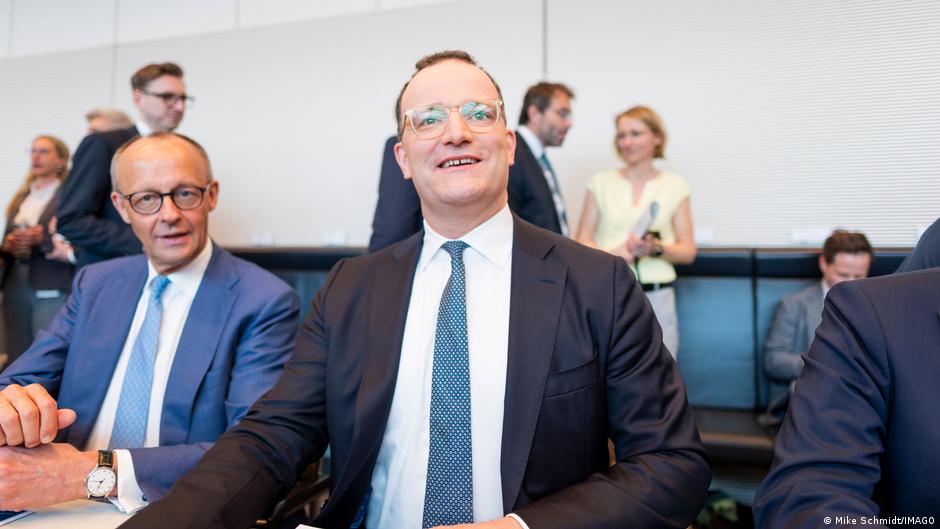
- CDU conservatives back automatic 2026 pay rises for MPs
- SPD and Left Party oppose the hike citing economic strains
- Coalition also fighting over revisions to Germany’s Disability Equality Act
Germany’s ruling coalition is at loggerheads over whether members of parliament should receive their automatic 2026 pay increase at a time when inflation and public spending are under intense scrutiny. The conservative Christian Democratic Union (CDU) wants the raises to stay, arguing the system is fair and transparent. But the center-left Social Democratic Party (SPD) and the opposition Left Party insist this is the wrong time to hand out extra cash to politicians. The dispute has exposed deep divides in Chancellor Friedrich Merz’s three-party coalition just months before regional elections in Saxony-Anhalt, where the far-right AfD is polling strongly enough to win an outright majority for the first time in a state election since its founding in 2013. The AfD’s rise is already reshaping how Germany’s other parties debate everything from spending to immigration, and the MP pay debate is no exception. Public anger over perceived elite perks has simmered for years, especially after lawmakers approved a 5% salary bump in 2023 as Germany’s post-pandemic recovery stalled. Polls this spring show 62% of Germans think politicians earn too much, up from 48% in 2022, according to Infratest dimap, a leading German polling firm. The automatic increases are tied to civil service pay scales, which the CDU insists keeps the system neutral and free of political interference. But critics say the raises look tone-deaf when average German households are cutting back on everything from groceries to vacations. The SPD’s parliamentary leader, Rolf Mützenich, called the planned hike “a symbol of the wrong priorities” and vowed to block it unless the coalition agrees to broader reforms. The Left Party went further, demanding the money instead be redirected to social housing and energy bill subsidies for low-income families. ## Why the coalition is also fighting over disability rights The same week the pay dispute flared, the coalition also clashed over revisions to the Disability Equality Act, a 2002 law meant to end discrimination against people with disabilities. The SPD and Greens want to strengthen the law by requiring all new public buildings to meet stricter accessibility standards, including elevators, ramps, and Braille signage. But the CDU and its Bavarian sister party, the CSU, argue the changes would cost too much and slow construction projects already delayed by labor shortages. Disability advocates say the revisions are long overdue. Jürgen Dusel, Germany’s Federal Commissioner for the Interests of Persons with Disabilities, told reporters this week that without the updates, Germany risks violating its own constitution, which guarantees equal rights. The coalition has until the summer recess to strike a deal or risk letting the revisions stall entirely. ## What happens next in Saxony-Anhalt The regional election in Saxony-Anhalt on June 14 is more than just a test for the AfD. It’s the first state vote since the party surged to second place in the 2024 federal election, and the outcome could force Merz to rethink his entire governing strategy. Current polling shows the AfD at 34%, just three points behind the CDU, which is running neck-and-neck with the SPD at 29%. A win would give the AfD control of the state parliament for the first time, handing it a platform to push its hardline agenda on migration and energy policy. That would put Merz in a bind: he can’t afford to ignore the AfD’s growing influence, but he also can’t risk normalizing its policies. Meanwhile, the pay and disability disputes at the federal level risk making his coalition look divided and out of touch just as voters are preparing to cast their ballots. The CDU’s leadership, including Jens Spahn, has so far refused to budge on the pay issue, insisting the automatic increases are automatic for a reason. But if the public backlash intensifies, the party may have to find a face-saving compromise—perhaps freezing the raises for a year or redirecting the funds to a different purpose. For now, the coalition’s survival depends on whether its leaders can bridge the gap between ideology and political reality.
What You Need to Know
- Source: Deutsche Welle
- Published: May 07, 2026 at 08:20 UTC
- Category: World
- Topics: #europe · #world-news · #germany · #coalition · #german
Read the Full Story
This is a curated summary. For the complete article, original data, quotes and full analysis:
All reporting rights belong to the respective author(s) at Deutsche Welle. GlobalBR News summarizes publicly available content to help readers discover the most relevant global news.
Curated by GlobalBR News · May 07, 2026
Related Articles
- 🎉 250 Articles in World!
- WHO declares Ebola emergency as Congo outbreak spreads to Uganda
- WHO declares Ebola emergency as Congo and Uganda outbreaks surge
🇧🇷 Resumo em Português
A Alemanha, locomotiva econômica da Europa, vive uma crise política interna que pode abalar a confiança nos seus líderes. A coalizão governista se dividiu sobre um polêmico projeto de reajuste salarial para deputados federais em 2026, com a União Democrata-Cristã (CDU) defendendo aumentos automáticos, enquanto Partido Social-Democrata (SPD) e A Esquerda querem congelar os salários este ano diante da pressão econômica. O impasse expõe não só divergências ideológicas, mas também a dificuldade de conciliar austeridade com as demandas populares em um cenário de inflação persistente e descontentamento social.
A decisão afeta diretamente o Brasil e os países lusófonos, pois a Alemanha desempenha papel central na União Europeia, influenciando políticas comerciais e fiscais que impactam economias emergentes como a brasileira. Além disso, o debate sobre privilégios parlamentares e transparência nos gastos públicos ressoa em um momento em que a população global cobra mais responsabilidade dos governantes. Para o Brasil, onde escândalos de corrupção envolvendo políticos ainda geram revolta, a discussão alemã serve de espelho para refletir sobre a ética na gestão pública.
Enquanto a coalizão tenta costurar um acordo, a população alemã — e, por tabela, os contribuintes brasileiros — aguarda com expectativa se os líderes priorizarão os interesses coletivos ou os privilégios de uma classe política cada vez mais questionada.
🇪🇸 Resumen en Español
El gobierno de coalición alemán se resquebraja por el polémico plan de subida salarial para diputados en 2026, una medida que enfrenta a los conservadores de la CDU con sus socios de gobierno, el SPD y La Izquierda, que exigen congelar el aumento por la frágil situación económica. La decisión, que podría redefinir las prioridades políticas en un contexto de austeridad, amenaza con agravar las tensiones internas en un momento crucial para la estabilidad de la cancillería de Olaf Scholz.
El debate trasciende lo meramente económico: mientras la CDU defiende que los diputados deben ajustarse automáticamente a la inflación para mantener su poder adquisitivo, sus aliados socialdemócratas y comunistas argumentan que en tiempos de crisis —con precios al alza y pensiones bajo presión— sería un gesto impopular y hasta inmoral. Para los contribuyentes hispanohablantes, el conflicto sirve como espejo de las tensiones globales entre austeridad y justicia social, recordando que, más allá de las fronteras, la gestión de fondos públicos sigue siendo un termómetro del pulso democrático.
Deutsche Welle
Read full article at Deutsche Welle →This post is a curated summary. All rights belong to the original author(s) and Deutsche Welle.
Was this article helpful?


Discussion