Markets ignore warning as global oil inventories hit eight-year lows.
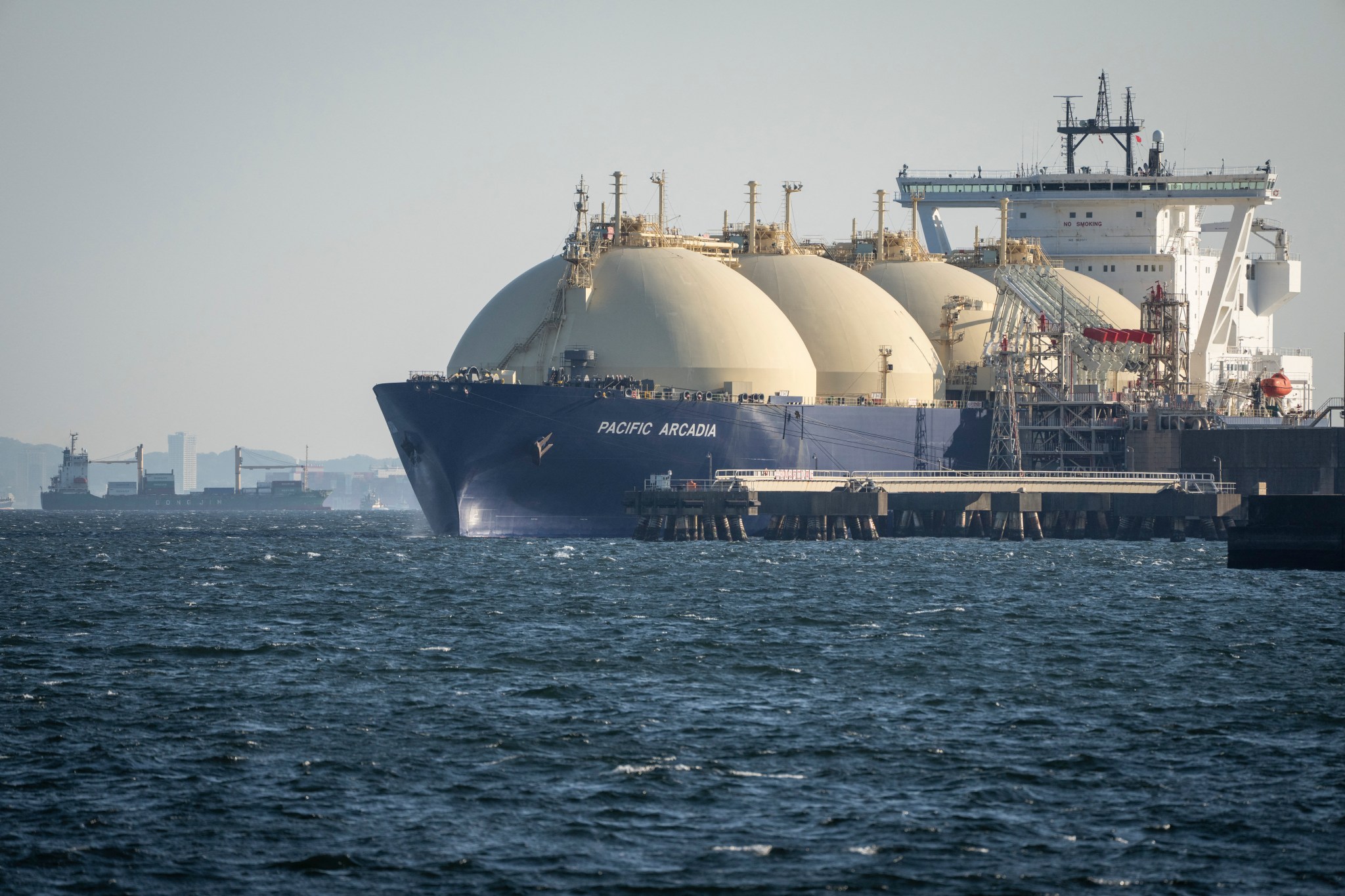
- Goldman Sachs warns global oil stocks could fall to 98 days by May
- Brent crude prices have dropped to $100 from a $126 peak in April
- Experts say market is ignoring clear signs of an oil shortage
Global oil inventories are approaching their lowest level in eight years, raising alarms about a potential supply crunch despite relatively stable market prices. Goldman Sachs analysts estimate that global oil stocks could fall to just 98 days of demand by the end of May 2026, signaling a severe shortage. Yet, Brent crude prices have eased to around $100 a barrel, down from a post-Iran war peak of $126 in April. West Texas Intermediate crude also hovers near $100, down from its April 7 high of $113. Both benchmarks remain far above pre-war levels.
Market observers warn that the futures market is being distorted by headlines rather than fundamentals. Chen Chien-Ming, an associate professor of operations management at Nanyang Technological University in Singapore, describes the current sentiment as complacent. “There’s clearly an oil shortage, but the futures market is heavily suppressed by market-moving headlines,” Chien-Ming said. The disconnect between inventory data and market reaction has left analysts puzzled as a second wave of energy shocks linked to Iran looms over Asia and the wider world.
Why Asia faces the biggest risk from the oil shortage
The warning signs are particularly stark for Asia, where energy demand remains high and inventories are critically low. The region imports nearly 70% of its oil, making it highly vulnerable to supply disruptions. A second wave of sanctions or geopolitical tensions involving Iran could trigger a sharp price spike, disrupting economies still recovering from recent shocks. Industry experts note that refiners in India and China are already struggling with tight supply, with some reports of refinery slowdowns due to insufficient crude.
The International Energy Agency (IEA) has repeatedly cautioned about the risks of underestimating the supply threat. In its latest report, the IEA highlighted that global spare production capacity is shrinking, leaving little room for error. “The market is underestimating the potential for a supply shock,” said Fatih Birol, executive director of the IEA. “If another disruption occurs, prices could quickly spiral out of control.” The warning comes as Russia and Saudi Arabia continue to limit output, further tightening the market.
How global markets are ignoring the warning signs
Despite the dire inventory forecasts, financial markets remain relatively calm. Brent crude futures have fallen 21% from their April peak, and traders appear unfazed by the shrinking supply. Analysts attribute this to a mix of short-term demand concerns and hedge fund positioning. Some traders argue that high prices have already priced in most of the risk, while others suggest that economic slowdown fears are dampening demand expectations.
However, the disconnect between physical and futures markets raises red flags. Physical traders report that spot prices for crude remain stubbornly high, particularly in Asia, where buyers are willing to pay premiums to secure supply. This divergence suggests that the futures market may not fully reflect the true tightness of the market. “The market is sending mixed signals,” said Helima Croft, head of global commodities strategy at RBC Capital Markets. “While futures suggest stability, the physical market tells a different story.”
What happens next?
The next few weeks will be critical in determining whether the market’s calm persists or if a supply shock triggers a price surge. If Iran faces further sanctions or if Russia cuts exports again, prices could quickly rebound. Goldman Sachs has already warned that Brent crude could return to $120 a barrel in a worst-case scenario. For businesses and consumers, this means higher fuel costs, inflationary pressures, and potential disruptions to supply chains.
Governments and central banks are closely monitoring the situation, with some already preparing contingency plans. The U.S. Energy Information Administration has suggested releasing strategic petroleum reserves if prices spike further. Meanwhile, refiners are scrambling to secure alternative supply sources, including increased purchases from Venezuela and Mexico, though these options come with their own risks.
What You Need to Know
- Source: Fortune
- Published: May 12, 2026 at 08:12 UTC
- Category: Business
- Topics: #fortune · #business · #economy · #war · #conflict · #iran
Read the Full Story
This is a curated summary. For the complete article, original data, quotes and full analysis:
All reporting rights belong to the respective author(s) at Fortune. GlobalBR News summarizes publicly available content to help readers discover the most relevant global news.
Curated by GlobalBR News · May 12, 2026
Related Articles
- Lawyers sanctioned $110K for fake AI citations in landmark Oregon case
- Meta cuts 8,000 jobs as AI spending surges amid capitalism debate
🇧🇷 Resumo em Português
Os estoques globais de petróleo atingiram o menor nível em oito anos, e o alerta da Goldman Sachs sobre um possível colapso na oferta em 98 dias, até maio, acendeu um sinal amarelo no mercado. Enquanto a tensão geopolítica volta a pairar sobre o setor, com a iminência de um segundo choque iraniano, os preços ainda não refletem o tamanho do risco, mantendo investidores em estado de alerta moderado.
O Brasil, como um dos principais produtores de petróleo do mundo e com uma matriz energética cada vez mais dependente do óleo, sente os reflexos dessa volatilidade. A queda nos estoques globais, somada às incertezas no Oriente Médio, pode pressionar os preços internos dos combustíveis, afetando diretamente o bolso do consumidor e a inflação. Além disso, a Petrobras, que já enfrenta desafios de produção e investimentos, pode ver seus custos de importação de derivados subirem, impactando sua lucratividade e planos de expansão.
Se a situação se agravar, o governo brasileiro terá que avaliar medidas para conter o repasse dos preços aos consumidores, como fez em crises anteriores, enquanto a Petrobras monitora seus estoques estratégicos. A calmaria atual do mercado pode ser apenas um respiro antes de uma tempestade de preços.
🇪🇸 Resumen en Español
El mundo se adentra en una nueva crisis energética con las reservas globales de petróleo tocando su nivel más bajo en ocho años, mientras Goldman Sachs alerta de que, de continuar la tendencia actual, el suministro podría reducirse a solo 98 días para mayo. La situación, que evoca los peores momentos del shock petrolero de los 70, amenaza con disparar los precios de la energía en un contexto ya marcado por la inflación y la incertidumbre geopolítica.
El contexto es especialmente preocupante para los países hispanohablantes, muchos de ellos dependientes de las importaciones de crudo, como España, que en 2023 importó más del 90% del petróleo que consumió. La posible escasez, agravada por tensiones como la amenaza de un segundo shock iraní, podría encarecer aún más los combustibles, golpeando el bolsillo de los ciudadanos y ralentizando la recuperación económica. Además, la volatilidad en los mercados energéticos pone en jaque a sectores clave como el transporte y la industria, donde el aumento de costes sería inevitable. La calma actual de los mercados parece más un respiro temporal que una señal de estabilidad.
Fortune
Read full article at Fortune →This post is a curated summary. All rights belong to the original author(s) and Fortune.
Was this article helpful?


Discussion