Berkshire’s Greg Abel triples Alphabet stake, buys Delta, exits Amazon in first quarter as CEO.
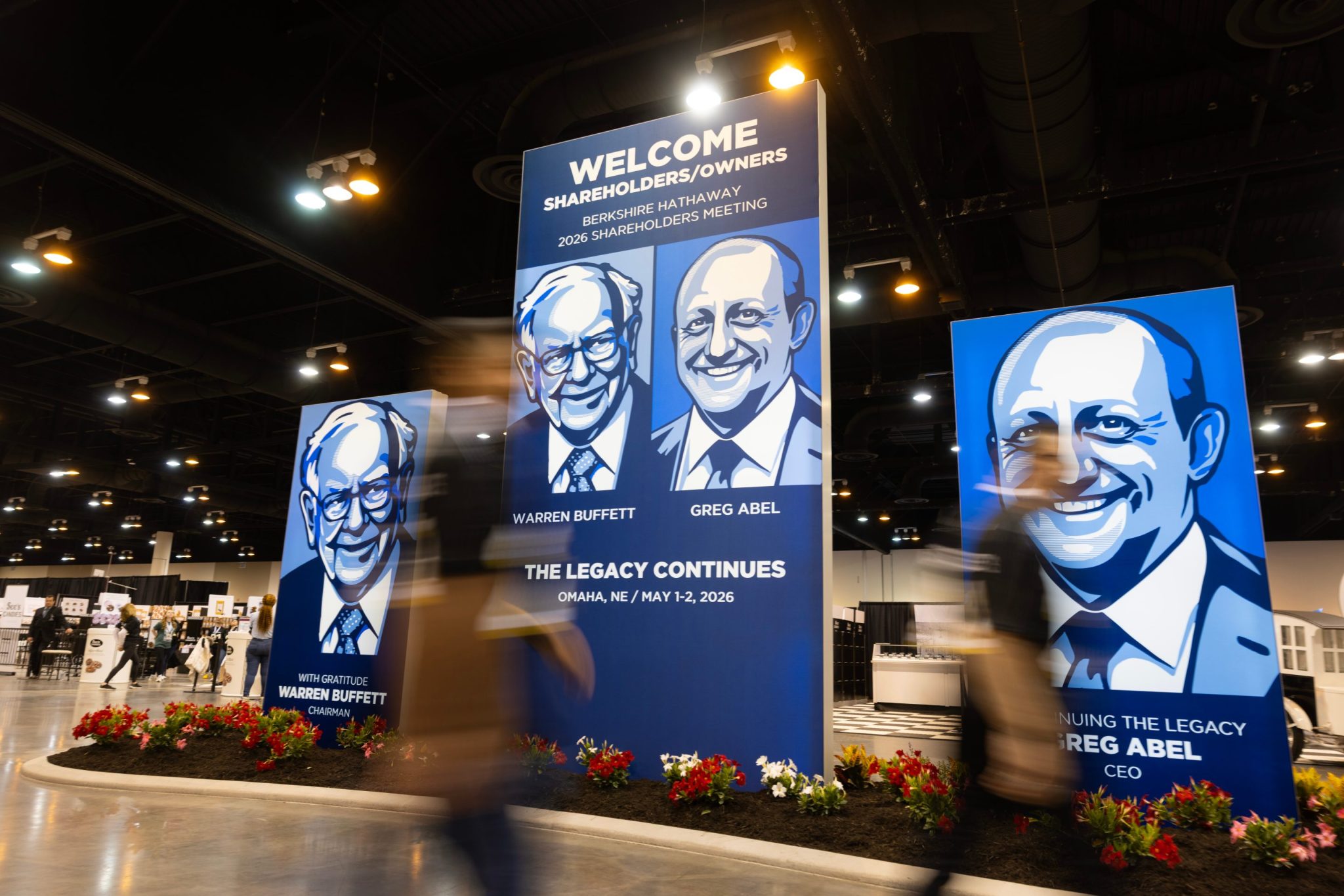
- Berkshire triples Alphabet stake in first quarter under Abel
- Buys $2.6B in Delta stock, dumps Amazon shares
- Portfolio shifts follow departure of investment manager Todd Combs
Berkshire Hathaway Inc. significantly increased its exposure to Alphabet Inc. and Delta Air Lines Inc. during the first quarter under CEO Greg Abel, who took over from Warren Buffett at the start of 2024. The conglomerate raised its stake in Google’s parent company by more than 200%, now holding $2.2 billion in Alphabet shares. Berkshire also disclosed a $2.6 billion investment in Delta Air Lines, marking a notable shift in the investment firm’s portfolio strategy.
The purchases came as Abel, 61, took full control of Berkshire’s investment decisions following Buffett’s retirement. Buffett had long avoided tech stocks, citing a lack of understanding of long-term prospects in the sector. His rare exception was Apple Inc., which became one of Berkshire’s largest holdings. Abel’s moves suggest a more aggressive embrace of technology and airline investments, sectors Buffett historically viewed with caution.
Berkshire exits major holdings under Abel’s leadership
Berkshire also sold off significant positions during the quarter, including its entire stake in Amazon.com Inc., Visa Inc., Mastercard Inc., Domino’s Pizza Inc., and UnitedHealth Group Inc. The sales follow the late-2023 departure of Todd Combs, one of two investment managers Buffett hired to manage Berkshire’s portfolio. Combs’ exit left Abel with a smaller team to oversee the company’s vast equity investments.
The divestments mark a departure from Berkshire’s prior strategy of holding large, stable positions in blue-chip companies. Amazon, in particular, had been a long-term holding, reflecting Buffett’s eventual recognition of the tech giant’s dominance in e-commerce and cloud computing. The sell-off signals Abel may prioritize different sectors or investment approaches as he reshapes Berkshire’s portfolio.
Abel signals new direction for Berkshire’s investments
Abel, who previously oversaw Berkshire’s non-insurance operations, has emphasized a focus on capital allocation and operational efficiency during his tenure. His investment decisions in the first quarter suggest a willingness to move quickly into high-conviction bets, such as airlines and tech, while exiting positions that no longer align with Berkshire’s goals. The Alphabet and Delta purchases align with Abel’s background in energy and infrastructure, where he previously led Berkshire’s utility and railroad businesses.
Market analysts note that Abel’s approach may reflect a broader strategy to diversify Berkshire’s holdings beyond the industries Buffett favored. While Buffett’s investment philosophy centered on durable businesses with strong cash flows, Abel’s moves indicate a potential shift toward growth-oriented sectors. The first-quarter filings provide the clearest view yet of how Abel intends to steer Berkshire in the post-Buffett era.
What’s next for Berkshire Hathaway under Greg Abel?
As Berkshire releases its first-quarter earnings on May 4, investors will closely scrutinize Abel’s investment choices and portfolio adjustments. The Alphabet and Delta purchases could signal a long-term bet on tech and travel, while the exits from Amazon and other holdings may indicate a broader reevaluation of Berkshire’s equity strategy. With Buffett’s shadow no longer looming over investment decisions, Abel has the opportunity to redefine Berkshire’s approach to stock picking in an evolving market.
What You Need to Know
- Source: Fortune
- Published: May 15, 2026 at 23:32 UTC
- Category: Business
- Topics: #fortune · #business · #economy · #war · #conflict · #berkshire
Read the Full Story
This is a curated summary. For the complete article, original data, quotes and full analysis:
All reporting rights belong to the respective author(s) at Fortune. GlobalBR News summarizes publicly available content to help readers discover the most relevant global news.
Curated by GlobalBR News · May 15, 2026
Related Articles
🇧🇷 Resumo em Português
O megainvestidor Warren Buffett, por meio de sua Berkshire Hathaway, revelou uma guinada estratégica em seus portfólios no primeiro trimestre sob o comando de seu sucessor, Greg Abel, ao triplicar a participação na Alphabet — dona do Google — e ainda realizar uma aposta bilionária na Delta Air Lines, enquanto abandonava a gigante do varejo online Amazon. A movimentação, que surpreendeu analistas, sinaliza uma reavaliação dos riscos e oportunidades em setores-chave da economia global, com reflexos diretos no mercado brasileiro, especialmente para investidores que acompanham as tendências de alocação de grandes fundos.
No Brasil, onde a Berkshire mantém participações relevantes em empresas como a Coca-Cola e a Apple, a mudança no portfólio pode indicar uma maior aposta em setores resilientes e menos voláteis, como o aéreo — tema sensível no país após anos de instabilidade no setor — ou em gigantes tecnológicas com modelos de negócios consolidados, como a Alphabet. A saída da Amazon, por sua vez, pode ser lida como um movimento de diversificação ou realinhamento de estratégia, já que a empresa enfrenta pressões regulatórias e concorrenciais em mercados como o latino-americano. Para os investidores brasileiros, a decisão reforça a importância de monitorar não apenas os fundamentos das empresas, mas também as mudanças nos grandes players globais que influenciam as bolsas locais.
A próxima apresentação de resultados da Berkshire Hathaway, prevista para maio, deve lançar mais luz sobre os motivos por trás dessa reviravolta, enquanto o mercado aguarda para ver se Abel manterá essa abordagem agressiva ou se ajustará a estratégia diante de possíveis turbulências econômicas.
🇪🇸 Resumen en Español
La estrategia inversora de Berkshire Hathaway bajo el mando de Greg Abel arranca con un giro radical que sacudió los mercados en el primer trimestre del año. La firma de Warren Buffett, ahora dirigida por su sucesor, sorprendió al triplicar su participación en Alphabet, apostar con fuerza por Delta Air Lines y liquidar su posición en Amazon, una decisión que refleja un cambio de rumbo en su filosofía de inversión.
Este movimiento no solo revela un ajuste táctico en la cartera de Berkshire, sino que también envía señales sobre las prioridades de Abel: menos apuestas tecnológicas disruptivas y más peso en sectores tradicionales con margen de crecimiento. Para los inversores hispanohablantes, la noticia subraya la importancia de diversificar en un contexto de incertidumbre macroeconómica, donde las decisiones de gigantes como Berkshire pueden influir en las tendencias globales. Además, sirve como recordatorio de que, incluso los grandes conglomerados, revisan sus estrategias ante cambios en el liderazgo o el escenario económico.
Fortune
Read full article at Fortune →This post is a curated summary. All rights belong to the original author(s) and Fortune.
Was this article helpful?



Discussion