Tech founders joke about Albanese as their startup co-founder after capital gains tax rise sparks fears of talent flight.
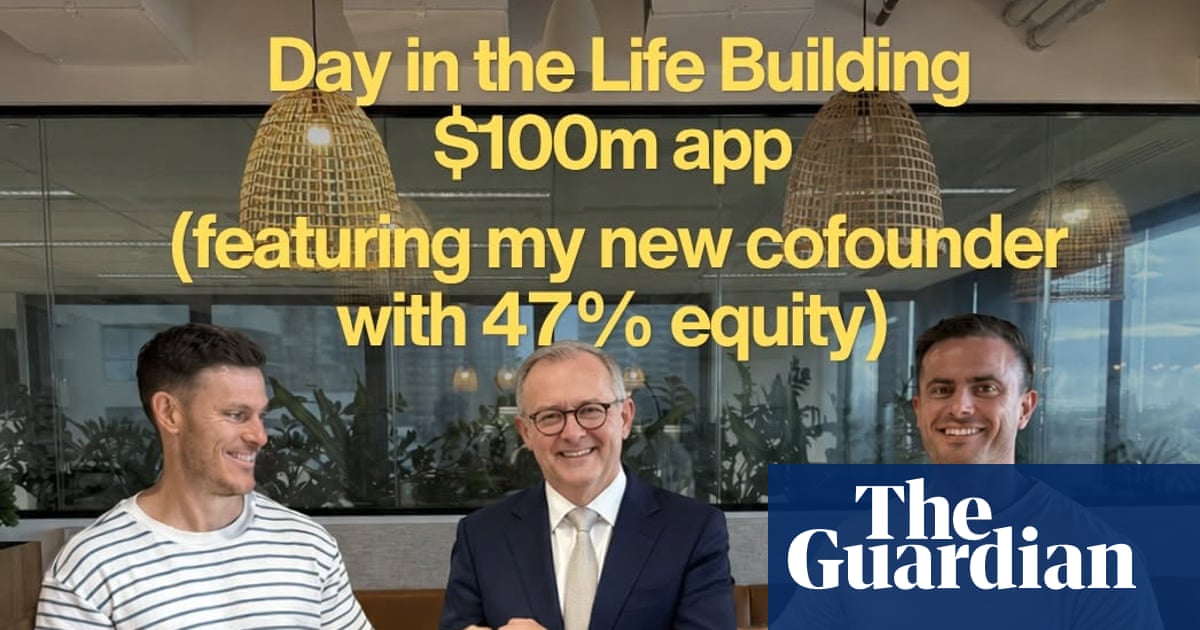
- Entrepreneurs posted AI images of Albanese as their '47% founder' to protest tax hike
- Capital gains tax changes could push startups and talent out of Australia
- Government may still exempt some startups from the new tax rules
Tech founders are using humor to push back against Australia’s planned capital gains tax changes. On social media, entrepreneurs posted AI-generated photos of Prime Minister Anthony Albanese as their new ‘47% founder,’ a jab at the government’s decision to increase the capital gains tax discount from 50% to 60% for assets held over a year. The joke highlights fears that higher taxes could make it harder to attract investors and keep startups in Australia. Some warned the changes could push talent and businesses overseas, where taxes are lower. One entrepreneur called it a ‘disincentive to take risks’ in the startup world. Another posted a fake boardroom photo with Albanese in a founder’s chair, holding a ‘47% equity’ sign. The posts went viral in Australia’s tight-knit tech community, where founders often share memes to criticize government policies they see as harmful to innovation. The backlash follows years of debate over whether Australia’s tax system keeps up with global competition. Critics argue the changes could hurt early-stage companies that rely on outside investment to grow. Supporters say the reform levels the playing field, though the government hasn’t finalized the rules yet. The treasurer, Jim Chalmers, said consultations with the startup sector are ongoing and that a carve-out for certain businesses is still possible. That hasn’t stopped the jokes. ‘If Albanese is your 47% founder, you’re already underwater,’ wrote one founder on X. Others pointed to countries like Singapore and the US, where lower capital gains taxes have lured startups and investors away. The tech industry’s pushback isn’t just online. Some founders are quietly exploring options to move operations or open offices overseas. A few have already started conversations with lawyers about restructuring their businesses to minimize the tax hit. The government argues the changes are fair, but the tech sector sees them as a step backward. Australia’s startup ecosystem has grown rapidly in the past decade, with companies like Canva and Atlassian becoming global players. But if taxes rise too much, founders warn, the next wave of innovation could happen elsewhere. The debate isn’t just about money—it’s about perception. If Australia is seen as hostile to risk-takers, investors may think twice before betting on local startups. The government’s next move will matter. If they exempt startups from the new rules, the backlash could fade. If not, expect more memes—and maybe more departures.
What You Need to Know
- Source: The Guardian
- Published: May 17, 2026 at 07:38 UTC
- Category: World
- Topics: #guardian · #world-news · #international · #startups · #tech · #anthony-albanese
Read the Full Story
This is a curated summary. For the complete article, original data, quotes and full analysis:
All reporting rights belong to the respective author(s) at The Guardian. GlobalBR News summarizes publicly available content to help readers discover the most relevant global news.
Curated by GlobalBR News · May 17, 2026
Related Articles
- 🎉 250 Articles in World!
- WHO declares Ebola emergency as Congo outbreak spreads to Uganda
- WHO declares Ebola outbreak in DR Congo a global emergency
🇧🇷 Resumo em Português
Um grupo de empreendedores do setor de tecnologia resolveu usar a inteligência artificial para criar imagens satirizando o primeiro-ministro australiano, Anthony Albanese, em protesto contra a recente mudança na alíquota de imposto sobre ganhos de capital. As ilustrações, que circulam rapidamente nas redes sociais, ironizam a decisão do governo de elevar a tributação sobre investimentos, uma medida que, segundo os críticos, pode afetar diretamente o ecossistema de startups e afastar talentos do país.
A polêmica ganhou repercussão não só na Austrália, mas também entre observadores internacionais, inclusive no Brasil, onde empreendedores e investidores acompanham de perto políticas fiscais que possam influenciar o fluxo de capital e profissionais qualificados. A Austrália, que tem buscado se posicionar como um hub global de inovação, enfrenta agora o risco de perder competitividade se a carga tributária sobre empreendimentos crescentes, como startups e fundos de venture capital, se tornar excessiva. Para o Brasil, que recentemente anunciou medidas semelhantes de aumento de impostos sobre fundos offshore e investimentos, o caso australiano serve como um alerta sobre os possíveis impactos de políticas mal calculadas no setor tecnológico.
O desdobramento dessa mobilização ainda é incerto, mas uma coisa é clara: a tensão entre governos e empreendedores deve se intensificar se as mudanças tributárias não forem acompanhadas de incentivos reais à inovação.
🇪🇸 Resumen en Español
El primer ministro australiano, Anthony Albanese, se ha convertido en el blanco de una campaña viral en redes sociales tras anunciar cambios en la fiscalidad de las plusvalías, una decisión que ha encendido las alarmas entre los emprendedores tecnológicos del país. Fundadores de startups y figuras del sector han recurrido a imágenes generadas por inteligencia artificial para ridiculizar al líder laborista, acusándolo de ahuyentar el talento y la inversión con su política fiscal.
La polémica surge en un momento crítico para Australia, donde el gobierno busca equilibrar el aumento de ingresos fiscales con la atracción de capital humano y empresarial. Los críticos argumentan que elevar la tasa impositiva sobre las ganancias de capital podría disuadir a innovadores y empresas emergentes, llevándolos a trasladarse a jurisdicciones con regímenes más favorables. Para los hispanohablantes, este debate resuena especialmente en un contexto global donde muchos países compiten por retener a profesionales cualificados, y donde políticas fiscales agresivas han sido históricamente un factor de fuga de cerebros y capital.
The Guardian
Read full article at The Guardian →This post is a curated summary. All rights belong to the original author(s) and The Guardian.
Was this article helpful?



Discussion