DARPA wants drone swarms packed in containers for rapid deployment of 500 autonomous drones.
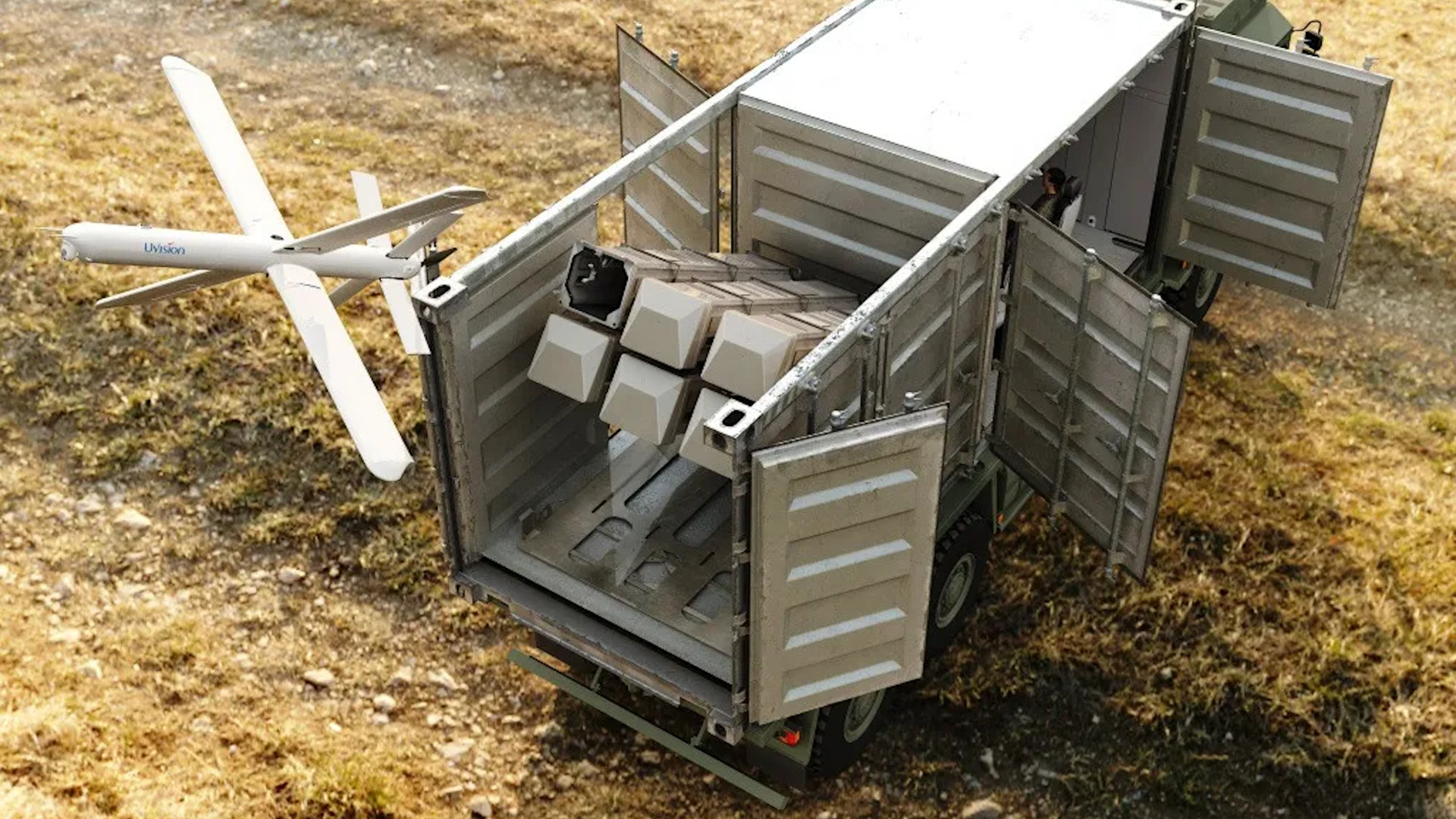
- DARPA seeks containerized drone systems for autonomous swarms of 500 drones.
- Systems must support launch, recovery, and sustained operations.
- Drone swarms could be deployed in contested or deep enemy-held areas.
The U.S. Defense Advanced Research Projects Agency DARPA has issued a call for proposals targeting containerized drone systems capable of launching and sustaining autonomous swarms of up to 500 drones. The solicitation focuses on systems that can operate with minimal human oversight, integrating drones configured for surveillance, reconnaissance, and kinetic strike missions. These systems are intended for rapid deployment in contested environments or deep behind enemy lines, where traditional logistics may be disrupted.
Containerized drone systems central to DARPA’s vision
The agency’s latest request, part of its Adaptive Capabilities Office initiative, emphasizes autonomy and containerized logistics. Proposed systems must demonstrate the ability to launch drones from compact containers, recover them post-mission, and maintain operations with minimal infrastructure. The goal is to create a largely self-sustaining constellation of drones that can operate independently for extended periods, reducing reliance on vulnerable supply chains or personnel.
DARPA’s interest aligns with growing military emphasis on distributed and resilient drone swarms. Such systems could provide persistent surveillance, overwhelm enemy air defenses, or deliver precision strikes without exposing manned assets to high-risk environments. The agency’s focus on containerization suggests a preference for modular, rapidly deployable solutions that can be transported via land, sea, or air and set up with minimal setup time.
Role of autonomy in future drone warfare
The solicitation highlights the need for drones with advanced autonomous capabilities, including adaptive mission planning, collision avoidance, and self-repair after damage. These features are critical for operating in denied or degraded communication environments, where remote control may be unreliable. Containerized systems would act as both launch points and mobile command hubs, coordinating swarm operations in real time.
Military analysts note that such swarms could change the dynamics of modern warfare by enabling scalable, cost-effective strikes or reconnaissance without risking human pilots. The concept builds on recent battlefield examples, such as Ukraine’s Operation Spiderweb, where drone swarms targeted Russian airbases, demonstrating the disruptive potential of coordinated drone attacks. However, DARPA’s proposal extends beyond tactical strikes to include broader logistical and operational support for large-scale drone networks.
Next steps for DARPA and industry
Proposals are due by a yet-to-be-announced deadline, with DARPA expected to select multiple contractors for further development. The agency has not specified a timeline for deployment but has indicated that successful concepts could see rapid transition into military use. Industry response will likely include defense giants and specialized drone manufacturers, competing to meet the stringent requirements for autonomy, scalability, and containerized logistics.
The broader implications extend beyond military applications. Similar containerized drone systems could be adapted for disaster response, infrastructure inspection, or even commercial logistics, where autonomous swarms could operate in hazardous or remote areas. However, DARPA’s primary focus remains on national security, where the ability to project power with minimal footprint could reshape future conflict scenarios.
Regardless of the eventual deployment, DARPA’s request underscores the accelerating pace of drone warfare innovation. With militaries worldwide investing in swarm technology, the race to field operational systems is intensifying, and containerized solutions may hold the key to scalable, autonomous drone operations.
What You Need to Know
- Source: The Drive
- Published: May 09, 2026 at 18:20 UTC
- Category: War
- Topics: #military · #weapons · #conflict · #war · #drone-swarms-packed · #into-unassuming-containers
Read the Full Story
This is a curated summary. For the complete article, original data, quotes and full analysis:
All reporting rights belong to the respective author(s) at The Drive. GlobalBR News summarizes publicly available content to help readers discover the most relevant global news.
Curated by GlobalBR News · May 09, 2026
Related Articles
- South Korea’s 500,000 Drone Warriors Will Be a Hollow Force
- Restrain and Hedge: A New U.S. Nuclear Strategy for a Two-Peer World
🇧🇷 Resumo em Português
A tecnologia militar dá mais um salto rumo ao futuro com um projeto ambicioso da DARPA, que busca desenvolver sistemas de enxames de drones armazenados em contêineres, capazes de lançar e sustentar até 500 aeronaves autônomas em operações de vigilância ou ataque. A iniciativa, batizada de Replicator, promete redefinir os padrões de guerra e inteligência, elevando o patamar da automação militar a um novo nível, onde a escala e a precisão se unem em uma única plataforma.
O Brasil, que tem investido crescentemente em modernização de suas forças armadas e em tecnologias de defesa, precisa acompanhar de perto essa evolução. Embora o foco inicial da DARPA seja o desenvolvimento de capacidades para o Exército americano, a adoção de sistemas semelhantes por potências regionais poderia desequilibrar o cenário estratégico na América do Sul, seja no combate ao crime organizado ou em conflitos convencionais. Além disso, a dependência de drones autônomos levanta questões éticas e de segurança, especialmente em um contexto onde a soberania nacional depende cada vez mais de inovações tecnológicas.
A corrida pela autonomia militar já está em andamento, e o próximo passo será observar como outros países, incluindo possíveis rivais tecnológicos, responderão ao desafio de integrar sistemas de enxames de drones em suas doutrinas de defesa.
🇪🇸 Resumen en Español
La Agencia de Proyectos de Investigación Avanzada de Defensa de EE.UU. (DARPA) da un paso más hacia la automatización bélica con un sistema de enjambre de drones alojado en contenedores, capaz de lanzar y mantener en operación hasta 500 aparatos autónomos para labores de inteligencia o ataques.
Este proyecto, que refuerza la apuesta estadounidense por la guerra algorítmica, plantea interrogantes sobre la escalada tecnológica en conflictos, el control humano sobre sistemas letales y la posible brecha militar con potencias como China o Rusia. Para el público hispanohablante, el avance subraya la urgencia de debatir marcos éticos y regulatorios en la carrera armamentística robótica, donde Europa y Latinoamérica podrían quedar relegadas si no desarrollan respuestas propias.
The Drive
Read full article at The Drive →This post is a curated summary. All rights belong to the original author(s) and The Drive.
Was this article helpful?


Discussion