Brexit is forcing Labour to pick a side right now.
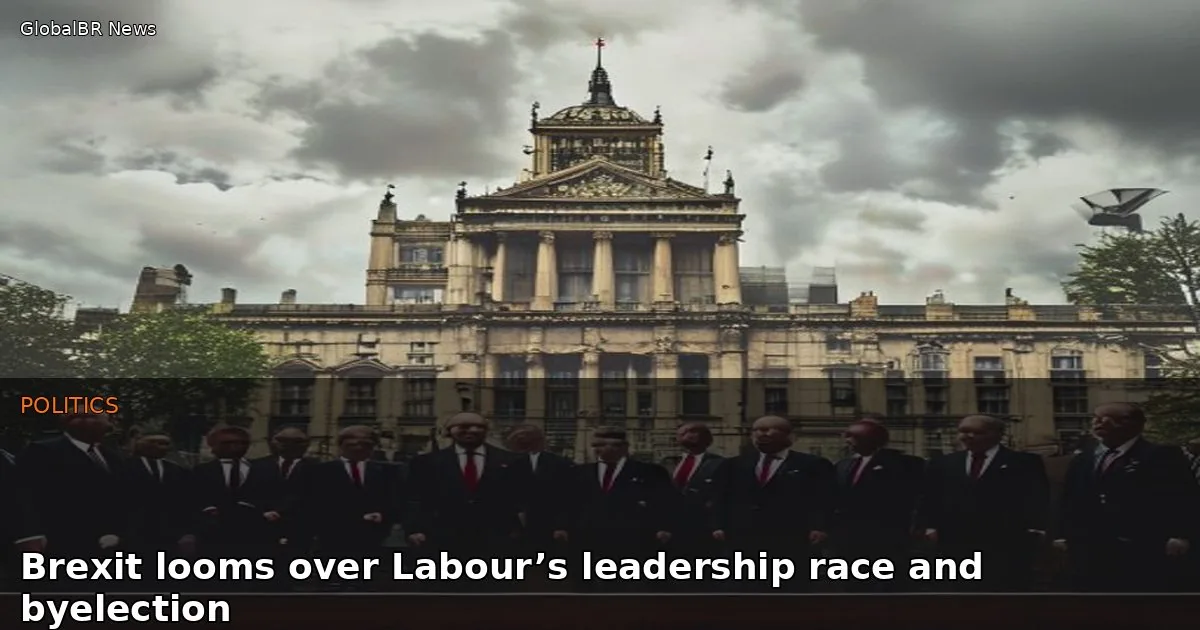
- Labour’s leadership race could force the party to clarify its Brexit stance
- Makerfield byelection adds pressure with Brexit as a key dividing line
- Keir Starmer and Lisa Nandy already facing tough questions on Europe
Brexit isn’t going away. As Labour’s top brass gears up for a leadership contest, the party’s relationship with the EU is becoming a defining issue—one that could split MPs and alienate voters. The stakes just got higher with a byelection in Makerfield on the horizon, where Brexit will likely be a front-and-centre debate. Lisa Nandy, Keir Starmer and others will have to decide: do they soften their Brexit stance or risk looking weak on the EU’s future role in Britain?
Labour’s Brexit tightrope
The party’s current policy—accepting the Brexit deal but pushing for closer ties with Europe—isn’t cutting it for critics. Labour’s shadow cabinet is split. Some MPs want a harder line against Brexit’s economic fallout. Others fear alienating Leave voters by appearing too soft. The leadership race is exposing those cracks. Starmer, the frontrunner, has tried to walk a middle line, but his rivals aren’t letting him off the hook. Nandy, for one, has repeatedly called for Labour to back a closer EU partnership, something that could rile up Brexiteers in the party.
The Makerfield test
The byelection in Makerfield, a traditionally Labour seat in Greater Manchester, is turning into a Brexit battleground. The Conservatives are hammering Labour over its Brexit stance, claiming the party’s reluctance to fully back the 2016 result is costing it support. Local Labour activists say Brexit isn’t the only issue—local services and jobs matter more—but the national party knows ignoring it could cost them dearly. If Labour loses Makerfield, it’ll be another sign the party’s Brexit muddle is hurting its chances.
The Tories aren’t wasting time
The Conservatives are already using Brexit to attack Labour’s unity. Rishi Sunak and his team are framing the leadership race as a sign Labour can’t decide on anything—especially not Europe. They’re pointing to Labour’s past U-turns on Brexit as proof the party can’t be trusted. For Sunak, Brexit isn’t just history—it’s a weapon. The Conservatives are betting that Labour’s hesitation will give them an opening in the next election.
What happens next?
The leadership contest will drag on for weeks, and the byelection is likely to happen before the summer. Labour’s next leader will have to make a call: double down on a softer Brexit stance or risk losing voters to the Conservatives. The party’s base is fractured, and the clock is ticking. If Labour can’t find a way to unite around a clear Brexit policy, it’ll keep playing defence—and that’s exactly where the Conservatives want them.
What You Need to Know
- Source: BBC News
- Published: May 17, 2026 at 02:14 UTC
- Category: Politics
- Topics: #bbc · #politics · #election · #labour · #brexit
Read the Full Story
This is a curated summary. For the complete article, original data, quotes and full analysis:
All reporting rights belong to the respective author(s) at BBC News. GlobalBR News summarizes publicly available content to help readers discover the most relevant global news.
Curated by GlobalBR News · May 17, 2026
Related Articles
- 🎉 100 Articles in Politics!
- Starmer’s leadership under pressure as Labour MPs question authority
- UK Labour’s Wes Streeting confirms leadership bid if race starts
🇧🇷 Resumo em Português
O Reino Unido mergulha em uma encruzilhada política enquanto o fantasma do Brexit volta a assombrar o cenário nacional, desta vez com a disputa pela liderança do Partido Trabalhista e uma eleição suplementar em jogo. A sombra da saída britânica da União Europeia, que já dividiu a nação, agora ameaça reconfigurar o futuro da principal legenda de oposição e, por tabela, os rumos do país.
O Brexit nunca deixou de ser um tema polarizante, mas a corrida pela sucessão de Keir Starmer à frente do Labour e a eleição suplementar em Wellingborough e Rushden, tradicional reduto trabalhista, trouxeram o debate à tona novamente. Para o Brasil, que acompanha de perto as relações internacionais e os impactos econômicos globais, a situação serve como um alerta sobre os riscos de uma política externa fragmentada. Além disso, o episódio reforça a discussão sobre como os partidos de esquerda europeus lidam com as consequências sociais e econômicas das mudanças geopolíticas impostas pelo Brexit.
A expectativa agora é que os resultados dessas eleições possam indicar se o Labour conseguirá se reposicionar diante do eleitorado ou se o Brexit continuará a ser um divisor de águas na política britânica.
🇪🇸 Resumen en Español
Tras meses de aparente calma, el Brexit regresa como un fantasma que se niega a abandonar la política británica, esta vez sacudiendo la carrera por el liderazgo laborista y complicando las perspectivas de los ‘tories’ en unas elecciones parciales clave. La sombra del divorcio con la UE planea sobre Westminster, recordando a todos que, más allá de los debates domésticos, el desafío de la salida sigue sin resolverse.
El Partido Laborista, dividido entre quienes abogan por una segunda consulta y los que prefieren blindar la posición negociadora, ve cómo su unidad se resquebraja justo cuando más necesita cohesionarse. Mientras, los conservadores, atrapados entre las exigencias de los ‘brexiteers’ más duros y las demandas de un electorado cada vez más cansado de la incertidumbre, enfrentan una prueba de fuego en las urnas. Para los hispanohablantes, este escenario refleja los riesgos de polarización que también acechan a Europa, donde el auge del euroescepticismo y las tensiones identitarias exigen respuestas más allá de los eslóganes.
BBC News
Read full article at BBC News →This post is a curated summary. All rights belong to the original author(s) and BBC News.
Was this article helpful?

Discussion