Miss Germany 2026 entrant Büsra Sayed in hijab drew AfD criticism but turned controversy into viral support.
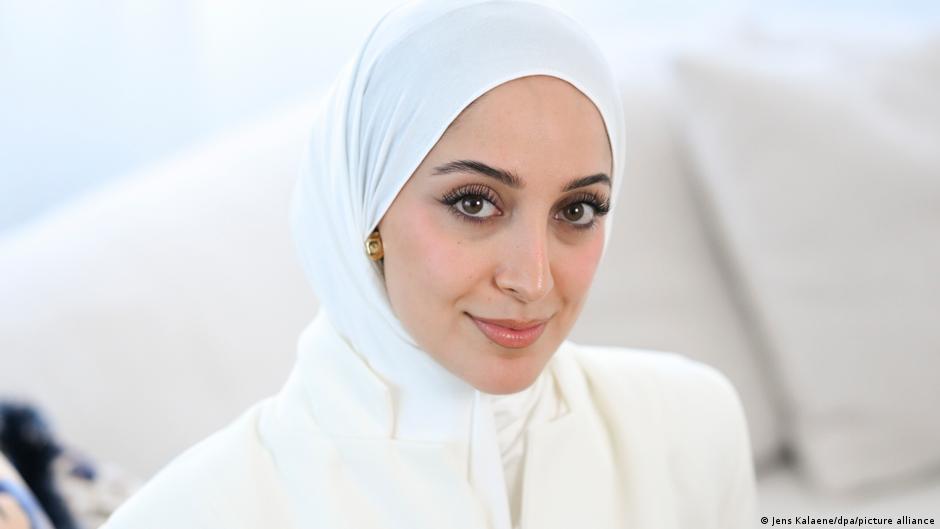
- Miss Germany 2026 entrant wore hijab on stage for first time
- Far-right AfD criticized Sayed's hijab during parliamentary debate
- Sayed's response went viral on German social media
Büsra Sayed, 27, entered the Miss Germany pageant in March 2026 wearing a hijab from her own collection, becoming one of the first contestants in the competition’s history to do so. The move drew immediate attention from Germany’s far-right Alternative for Germany (AfD) party, which criticized her participation during a parliamentary debate on International Women’s Day. Sayed, an entrepreneur who sells hijabs, wore the headscarf on stage during the pageant’s final round, a competition now emphasizing empowerment and achievements beyond physical appearance.
The AfD’s criticism of Sayed’s hijab during the March 8 debate in Berlin’s Bundestag German parliament drew widespread attention. Sayed responded by posting a video online that went viral, rejecting the party’s rhetoric with a message of unity and self-determination. Her clip has been viewed millions of times across German social media platforms, including TikTok and Instagram, where users praised her composure and message.
Miss Germany shifts focus to empowerment
Miss Germany, established in 1981, has evolved from a traditional beauty pageant into a platform highlighting women’s achievements in business, science, and social activism. This year’s competition included candidates from diverse backgrounds, reflecting Germany’s changing demographics. Sayed’s participation marked a significant moment in the pageant’s history, as no previous contestant had worn a hijab on stage.
Sayed, who runs a Berlin-based hijab retail business, told reporters she wore the garment to represent her faith and personal style. “I wanted to show that faith and confidence are not mutually exclusive,” she said. The pageant organizers later confirmed her participation complied with competition rules, which prohibit discrimination based on religion or appearance.
AfD’s reaction fuels national debate
The AfD’s comments during the parliamentary session sparked immediate backlash from political leaders and civil rights groups across Germany. Several federal lawmakers from mainstream parties condemned the remarks as divisive, while Muslim advocacy organizations praised Sayed’s response. The controversy highlighted ongoing debates about religious freedom and representation in German public life.
Sayed’s viral video, posted within hours of the AfD’s remarks, showed her addressing the criticism directly. “I wear my hijab out of free will and pride,” she stated. “No one gets to decide what I can wear or who I am.” The clip has since been shared by prominent figures, including German Chancellor Olaf Scholz and international human rights advocates.
What happens next for Sayed and Miss Germany
Miss Germany is scheduled to crown its 2026 winner in June, with Sayed continuing to participate in related events and media appearances. The pageant has announced plans to expand its outreach to underrepresented communities in future competitions. Sayed’s entrepreneurship and advocacy have already drawn invitations to speak at German universities and international conferences.
The debate over Sayed’s participation reflects broader discussions in Germany about multiculturalism and national identity. While the AfD continues to oppose what it calls “Islamization,” mainstream parties and civil society groups have largely supported Sayed’s right to participate in public life without facing discrimination. The controversy may influence how future pageants and public institutions address religious and cultural diversity.
Political analysts predict Sayed’s case could set a precedent for greater inclusion in German institutions. Her viral response has also inspired other Muslim women in Germany to challenge stereotypes through public participation. The Miss Germany organization has not indicated plans to change its selection criteria but has emphasized its commitment to diversity and empowerment.
What You Need to Know
- Source: Deutsche Welle
- Published: May 12, 2026 at 08:35 UTC
- Category: World
- Topics: #europe · #world-news · #hijab · #german · #miss-germany
Read the Full Story
This is a curated summary. For the complete article, original data, quotes and full analysis:
All reporting rights belong to the respective author(s) at Deutsche Welle. GlobalBR News summarizes publicly available content to help readers discover the most relevant global news.
Curated by GlobalBR News · May 12, 2026
Related Articles
- Zimbabwe’s diaspora reshapes real estate and farming investment trends
- 🎉 250 Articles in World!
- Eurovision 2024 faces scrutiny over Israel’s participation amid war
🇧🇷 Resumo em Português
A eleição de Büsra Sayed, primeira candidata usando hijab a competir pelo título de Miss Alemanha 2026, virou o centro de um intenso debate político no país europeu, expondo divisões sobre diversidade e identidade nacional. A notícia, amplificada nas redes sociais, provocou reações polarizadas, com críticas especialmente da legenda de extrema-direita Alternativa para a Alemanha (AfD), que questionou a “compatibilidade” da candidata com os “valores alemães”. Enquanto isso, milhares de internautas saudaram sua participação como um marco de representatividade em um evento tradicionalmente restrito a padrões estéticos específicos.
O episódio ganha relevância para o Brasil ao refletir discussões globais sobre inclusão e pluralidade, temas cada vez mais presentes na sociedade brasileira. Embora o caso ocorra na Alemanha, ele ecoa aqui em discussões sobre a participação de mulheres de diversas origens em concursos de beleza e na mídia, além de reacender o debate sobre o papel da extrema-direita na Europa e possíveis reflexos em outros continentes. Para o público brasileiro, a história serve como lembrete de que a luta por diversidade transcende fronteiras, mas também como alerta sobre os riscos de retrocessos em direitos conquistados.
Enquanto a AfD intensifica suas críticas, Büsra Sayed se tornou um símbolo de resistência, com seu discurso viralizando até mesmo fora da Alemanha. O desdobramento do caso deve influenciar não só a eleição de 2026, mas também o tom das próximas discussões sobre identidade e representatividade na Europa e além.
🇪🇸 Resumen en Español
La elección de Büsra Sayed como primera concursante de Miss Alemania 2026 con hijab ha reavivado el debate sobre la diversidad y la representación en certámenes de belleza, mientras la ultraderecha alemana cuestiona su inclusión.
El caso ha trascendido las fronteras al poner sobre la mesa temas como la integración, los estereotipos de género y la libertad religiosa en una sociedad cada vez más plural. Aunque la polémica la ha impulsado a convertirse en un símbolo de cambio para muchos, también refleja las tensiones que persisten en Europa respecto a la visibilidad del islam y los roles tradicionales, un debate que resuena especialmente en países con históricas corrientes migratorias como España.
Deutsche Welle
Read full article at Deutsche Welle →This post is a curated summary. All rights belong to the original author(s) and Deutsche Welle.
Was this article helpful?


Discussion