Labour unions urge Keir Starmer to step down before the next election amid growing dissent within the party.
- Unions demand Keir Starmer resign before next election
- Starmer vows to continue governing despite internal pressure
- Labour MPs and cabinet face increasing divisions
📰 Continuing coverage: ‘An hour of abuse’: Jeremy Corbyn on Labour coups, and whether he feels sorry for Starmer
Labour leader Sir Keir Starmer Keir Starmer is under mounting pressure to resign after several Labour-backing unions demanded he step down before the next general election. The calls from unions, including Unite the Union and the GMB, highlight growing dissatisfaction within the party over Starmer’s leadership and direction. The pressure comes as Labour MPs and cabinet members reportedly express concerns over internal splits and declining poll numbers.
Starmer has insisted he will press ahead with governing while addressing criticism internally. In response to the union calls, a Labour spokesperson said Starmer remains focused on delivering for working people and winning the next election. However, the calls for his resignation underscore deepening cracks within the party as it prepares for a potential electoral challenge. Recent polling has shown Labour’s lead over the Conservatives narrowing, adding to the urgency of internal debates.
Labour’s internal divisions widen amid union pressure
The demand for Starmer’s resignation follows months of internal debate over policy direction and party strategy. Unite the Union, one of Labour’s largest backers, publicly urged Starmer to step aside, citing concerns over his handling of key issues such as workers’ rights and economic policy. The GMB union echoed similar sentiments, calling for fresh leadership to revive the party’s fortunes ahead of the next vote. These calls reflect broader unease among Labour’s traditional voter base, which has grown frustrated with the party’s shift toward centrist policies.
Starmer’s cabinet has also seen tensions, with some senior members privately expressing doubts about his leadership. While no public resignations have occurred, reports suggest discontent is simmering behind closed doors. The pressure on Starmer comes at a critical time as the Conservatives, led by Prime Minister Rishi Sunak Rishi Sunak, seek to regain ground in the polls. Labour’s internal strife risks overshadowing its efforts to present a united front against the government.
Starmer defiant amid calls for change
Despite the union pressure, Starmer has remained defiant, insisting his focus remains on delivering Labour’s policy agenda. In a recent interview, he reaffirmed his commitment to leading the party into the next election, arguing that stability is needed to challenge the Conservatives effectively. However, the growing chorus of dissent suggests that his leadership is increasingly under scrutiny. Shadow ministers have been instructed to avoid public comments on the leadership debate, but behind-the-scenes discussions are likely intensifying.
Labour’s NEC (National Executive Committee) is expected to discuss the union calls at its next meeting, though no formal vote on Starmer’s leadership is currently scheduled. The party’s grassroots members have also weighed in, with some local branches openly criticising Starmer’s approach. The situation remains fluid, with the potential to escalate if more unions or MPs join the calls for change. For now, Starmer appears determined to weather the storm, but the pressure is unlikely to subside without significant concessions or shifts in policy.
Labour’s future now hinges on whether Starmer can regain the confidence of his party and its traditional supporters. The next few months will be critical as the party prepares for local elections in May, which could serve as a barometer for its electoral prospects. If Labour’s polling numbers continue to decline, the calls for Starmer’s resignation may grow louder, forcing the party to confront its internal divisions head-on. Until then, Starmer’s leadership remains under the microscope, with the next election looming large over the debate.
What You Need to Know
- Source: BBC News
- Published: May 13, 2026 at 09:56 UTC
- Category: Politics
- Topics: #bbc · #politics · #election · #starmer · #labour
Read the Full Story
This is a curated summary. For the complete article, original data, quotes and full analysis:
All reporting rights belong to the respective author(s) at BBC News. GlobalBR News summarizes publicly available content to help readers discover the most relevant global news.
Curated by GlobalBR News · May 13, 2026
Related Articles
- Starmer’s leadership under pressure as Labour MPs question authority
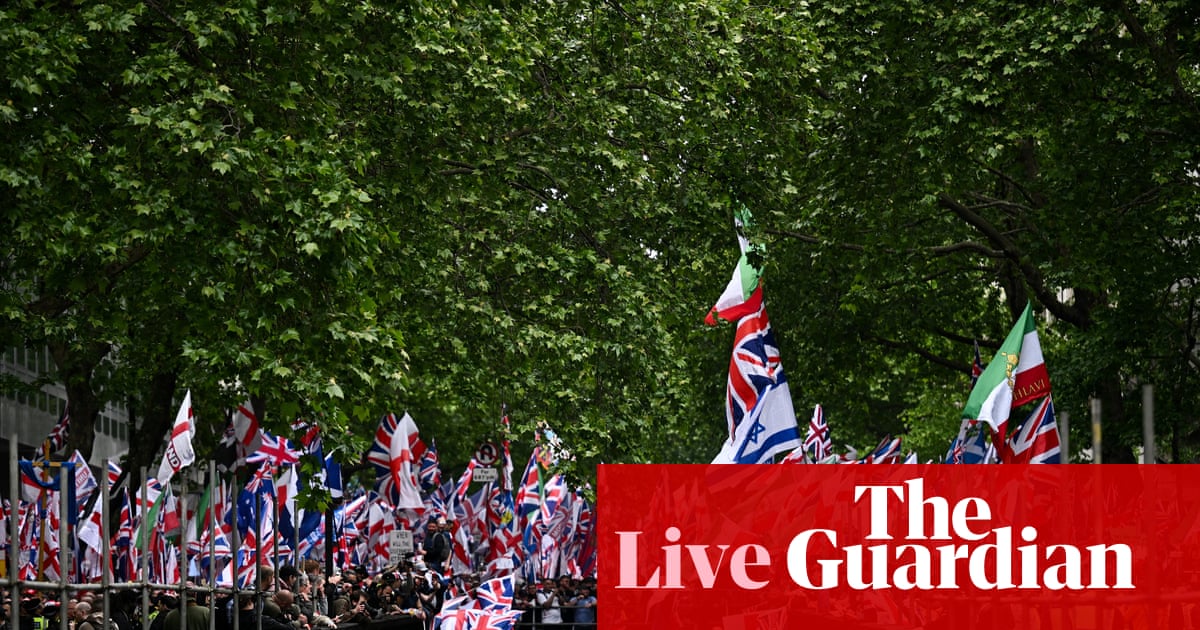
- Thousands gather in London for far-right and pro-Palestine marches
- Tens of thousands descend on London for far-right and pro-Palestine marches – live
🇧🇷 Resumo em Português
O líder trabalhista britânico Keir Starmer enfrenta uma crise sem precedentes após os principais sindicatos do Reino Unido exigirem sua renúncia antes das próximas eleições gerais, ameaçando a unidade do partido. A decisão, defendida por figuras influentes como o ex-líder Jeremy Corbyn, reflete uma insatisfação crescente com a postura considerada muito alinhada ao centro e distante das bases históricas do Labour, que tradicionalmente defendem políticas sociais mais radicais.
No Brasil, onde o debate sobre a esquerda e suas estratégias de poder costuma ser intenso, o episódio serve como um espelho para analisar os desafios de partidos progressistas em equilibrar reformas pragmáticas e fidelidade ideológica. A situação de Starmer também levanta questões sobre como a esquerda global está reagindo ao cenário de austeridade e polarização política, algo que ressoa em um país como o Brasil, onde a divisão entre centro e esquerda muitas vezes define eleições. A pressão dos sindicatos britânicos pode, ainda, influenciar discussões internas em outras nações, inclusive no PT, sobre a necessidade de revisitar sua própria base militante.
Enquanto Starmer luta para manter o controle do Labour, o desfecho desta crise poderá redefinir não apenas o futuro do partido, mas também as estratégias da esquerda europeia nas próximas décadas.
🇪🇸 Resumen en Español
Keir Starmer, líder del Partido Laborista británico, ve tambalear su posición tras exigirle los sindicatos que abandone el cargo antes de las próximas elecciones generales, una crisis interna que amenaza con desestabilizar la formación de cara a un momento clave.
La presión sindical, históricamente aliada del laborismo, responde a un malestar creciente por los resultados electorales recientes y las políticas percibidas como demasiado moderadas. Para los hispanohablantes, este escenario refleja la volatilidad de los partidos socialdemócratas en Europa, donde la base tradicional cuestiona a sus dirigentes por no responder a sus demandas, lo que podría tener repercusiones en el futuro político del Reino Unido y en el debate sobre el rumbo de la izquierda europea.
BBC News
Read full article at BBC News →This post is a curated summary. All rights belong to the original author(s) and BBC News.
Was this article helpful?

Discussion