Restored 1970s documentary *Once Upon a Time in Harlem* premieres at Cannes after 50 years.
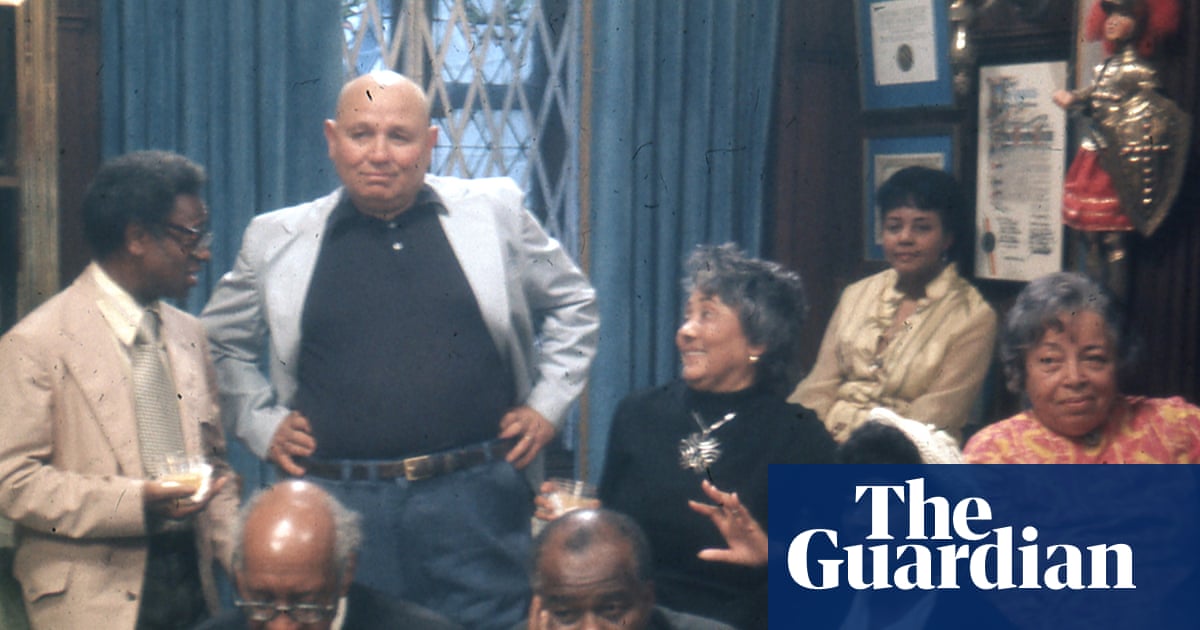
- Documentary completed 50 years after filming began
- Features oral histories from Harlem Renaissance survivors
- Premiered at Cannes Film Festival this week
The long-lost documentary Once Upon a Time in Harlem finally reached audiences this week at the Cannes Film Festival, nearly five decades after filmmaker William Greaves began shooting it in 1972. Greaves, a pioneering Black documentarian, conceived the project as a direct response to racist stereotypes in 1960s American media. He argued that Black filmmakers needed to control their own narratives to prevent distortion of their image. By 1972, he had assembled a team to record interviews with key figures of the Harlem Renaissance, a cultural movement that reshaped Black art, music, and literature in the 1920s.
A delayed but historic debut
Greaves died in 2014, leaving the footage incomplete. His relatives and collaborators finished editing the film, which premiered at Cannes on Wednesday. The documentary stitches together interviews with surviving luminaries of the Harlem Renaissance, including writers, artists, and musicians who witnessed the movement firsthand. Among them are figures like Arna Bontemps, a poet and librarian who played a central role in preserving Black literary history, and A’Lelia Walker, the daughter of Madame C.J. Walker, whose Harlem salon became a hub for artists and activists.
Restoring a lost legacy
The film’s restoration process revealed both technical and historical challenges. Original tapes were damaged, requiring painstaking digitization to salvage the interviews. Archivists worked with Greaves’ estate to ensure the final cut honored his vision while making the footage accessible to modern audiences. The result is a time capsule of Black intellectual and creative life in early 20th-century America. Scholars say the documentary fills gaps in the historical record, offering unfiltered perspectives from those who lived through the Harlem Renaissance’s rise and fall.
Why this film matters now
In an era of renewed debate over representation in media, Once Upon a Time in Harlem arrives with fresh relevance. Its premiere coincides with growing interest in archival film restoration and Black cultural preservation. The documentary also serves as a rebuttal to the racist tropes Greaves decried in his 1969 manifesto, proving the power of self-representation. Film critics at Cannes praised the documentary’s raw authenticity, noting its ability to transport viewers to a pivotal moment in history. For younger audiences, it offers a bridge to a past that is often romanticized but rarely heard from directly.
The film’s release follows a wave of recent restorations of Black cinema, including works by Oscar Micheaux and Gordon Parks. These projects highlight a broader effort to reclaim and re-examine Black cultural contributions that were sidelined by mainstream institutions. Organizers plan a wider theatrical release in the U.S. and Europe later this year, with educational screenings scheduled at universities and museums.
What You Need to Know
- Source: The Guardian
- Published: May 16, 2026 at 12:00 UTC
- Category: World
- Topics: #guardian · #world-news · #international · #entertainment · #movies · #harlem-renaissance
Read the Full Story
This is a curated summary. For the complete article, original data, quotes and full analysis:
All reporting rights belong to the respective author(s) at The Guardian. GlobalBR News summarizes publicly available content to help readers discover the most relevant global news.
Curated by GlobalBR News · May 16, 2026
Related Articles
- Zimbabwe’s diaspora reshapes real estate and farming investment trends
- Eurovision 2024 faces scrutiny over Israel’s participation amid war
- War in the Middle East: Israel targets top Hamas leader in Gaza
🇧🇷 Resumo em Português
O renascimento que não podia esperar mais 50 anos
Depois de meio século guardado em arquivos, o documentário Once Upon a Time in Harlem finalmente estreia no Festival de Cannes, trazendo à luz um retrato único do movimento artístico que mudou a cultura negra nos Estados Unidos na década de 1920. Com imagens restauradas e depoimentos de sobreviventes daqueles tempos, a obra chega ao grande público justamente quando o debate sobre representatividade e história afrodescendente ganha força no Brasil e no mundo.
O documentário chega em um momento crucial, quando a redescoberta da herança cultural negra — e suas lutas — ressoa fortemente no Brasil, país com a maior população negra fora da África. A Harlem Renaissance não foi apenas um florescimento artístico, mas um marco de resistência e afirmação identitária que inspirou gerações, inclusive no Brasil, onde movimentos como o da Negritude e as discussões sobre ações afirmativas ganham cada vez mais espaço. Para os brasileiros, a exibição tardia da obra serve como um lembrete de como a história global pode ser negligenciada — e ao mesmo tempo, como sua redescoberta pode reacender reflexões sobre identidade e justiça.
A estreia em Cannes deve abrir portas para exibições internacionais, incluindo possíveis mostras no Brasil, onde a obra poderia enriquecer o debate sobre cultura e memória negra.
🇪🇸 Resumen en Español
Una película olvida en los archivos cincuenta años de espera para reescribir un capítulo clave de la cultura negra. Once Upon a Time in Harlem, un documental restaurado que recoge testimonios inéditos de los protagonistas del Renacimiento de Harlem, ha estrenado en Cannes tras medio siglo de silencio, ofreciendo una mirada fresca y urgente sobre un movimiento artístico que redefinió la identidad afroamericana.
El filme, que recupera imágenes y entrevistas con figuras como el poeta Langston Hughes o la escritora Zora Neale Hurston, llega en un momento crucial para repensar la historia cultural global. Para el público hispanohablante, la película no solo ilumina una etapa fundamental —entre los años 20 y 30— donde el arte fue herramienta de resistencia, sino que invita a reflexionar sobre cómo otras narrativas marginadas podrían estar aún esperando justicia histórica. Su estreno en un festival de prestigio internacional subraya, además, el papel de Europa como espacio de redención para obras que el tiempo y el olvido pospusieron demasiado.
The Guardian
Read full article at The Guardian →This post is a curated summary. All rights belong to the original author(s) and The Guardian.
Was this article helpful?


Discussion