Ukraine’s drone strike in Moscow region kills three, injures eight in Russian strikes elsewhere.
- Russia blames Ukraine for deadly overnight drone attack in Moscow region
- Regional governor confirms three fatalities from Ukrainian drones
- Russia claims to shot down 32 drones over Moscow region
📰 Continuing coverage: Ukraine drones kill 3 in Russia after 500+ intercepted overnight
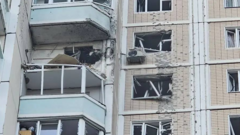
A large-scale Ukrainian drone attack on the Moscow region killed three people Monday night, Russia’s regional governor reported. The strike targeted residential areas, leaving local officials scrambling to assess the damage. Russia’s defense ministry said it intercepted 32 drones over the region, including near the capital, but three slipped through, hitting homes and killing three civilians. The ministry didn’t specify the exact locations of the impacts, but video footage posted online showed fires and emergency crews responding in several suburbs. The Kremlin condemned the attack as a deliberate provocation, calling it a violation of international law. Moscow has repeatedly accused Kyiv of using drones to target civilian areas far from frontlines, a claim Ukraine denies. The strike comes just days after Russia launched its own heavy drone and missile assaults on Ukrainian cities, including Kyiv and Odesa, injuring dozens.
Ukraine accuses Russia of escalating attacks
Ukraine’s military intelligence reported that Russian forces launched at least 37 drones and missiles overnight, targeting energy infrastructure and residential buildings in multiple regions. Eight people were injured in strikes on southern Ukraine, according to local officials. Ukraine’s air force said it shot down 27 drones and six cruise missiles, but several hit critical infrastructure, causing power outages in parts of the country. The strikes on both sides reflect a dangerous escalation in drone warfare, which has become a daily reality for civilians living near frontlines and in border areas. Analysts say the attacks are designed to stretch each other’s air defenses thin, but they also risk civilian casualties and wider regional instability.
Russia’s defense ministry claimed the Moscow region attack was part of a larger Ukrainian operation targeting military and industrial sites. Ukrainian officials dismissed the claim, saying their drones were only hitting legitimate military targets inside Russia. The conflicting narratives highlight how hard it is to verify battlefield claims in real time, especially when both sides rely on drones and long-range strikes. Social media videos from Russia showed emergency responders working through the night, while Ukrainian officials posted updates on the damage to Russian military positions. The lack of independent verification makes it difficult to confirm casualty counts or the exact nature of the targets.
Civilian toll mounts as drones become weapons of choice
The overnight attack is the deadliest Russian strike on Moscow region since the war began. The three victims were identified as civilians, including a woman in her 60s and two men in their 40s. Local authorities said two of the deaths occurred in the town of Kolomna, about 75 miles southeast of Moscow, while the third happened in a nearby village. Residents described sirens blaring and explosions rattling windows, followed by chaos as firefighters arrived. The regional governor, Andrey Vorobyov, called the attack a terrorist act and vowed to hunt down those responsible. Russia has increasingly used air raid sirens in Moscow and other major cities, a tactic that hasn’t been seen since World War II.
Ukraine, meanwhile, has turned drones into a key weapon, using them to strike deep inside Russia to disrupt military logistics and morale. Commercial drones, often modified with explosives, have become cheaper and easier to deploy than traditional missiles. Military analysts say Ukraine’s drone program has forced Russia to divert resources to air defense, including deploying advanced systems like the S-400 near Moscow. But the shift also means more Ukrainian drones are getting lost or shot down, reducing their effectiveness over time. The back-and-forth strikes are taking a toll on both sides, with civilians on both sides of the border bearing the brunt of the violence.
What happens next?
Russia is expected to retaliate with heavier strikes, possibly targeting Ukrainian energy grids or military command centers. The Kremlin has already signaled it won’t tolerate drone attacks on its territory, hinting at possible cross-border operations by its own forces. Ukraine, meanwhile, is likely to continue its drone campaign, betting that Russia’s air defenses can’t cover every inch of its vast territory. The U.S. and NATO allies have warned both sides against escalating attacks on civilian areas, but neither has shown signs of backing down. With no clear end to the war in sight, the cycle of drone strikes and counterstrikes is set to continue, pushing both countries deeper into a brutal stalemate.
What You Need to Know
- Source: BBC News
- Published: May 17, 2026 at 07:21 UTC
- Category: World
- Topics: #bbc · #world-news · #international · #war · #ukraine · #russia
Read the Full Story
This is a curated summary. For the complete article, original data, quotes and full analysis:
All reporting rights belong to the respective author(s) at BBC News. GlobalBR News summarizes publicly available content to help readers discover the most relevant global news.
Curated by GlobalBR News · May 17, 2026
Related Articles
- 🎉 250 Articles in World!
- WHO declares Ebola emergency as Congo outbreak spreads to Uganda
- WHO declares Ebola outbreak in DR Congo a global emergency
🇧🇷 Resumo em Português
Ucrânia e Rússia travam mais um capítulo da guerra aérea com alvos residenciais: três mortes no entorno de Moscou e oito feridos na Ucrânia em menos de 24 horas.
O confronto noturno de drones entre Kiev e Moscou acendeu alertas sobre a escalada do conflito em territórios antes considerados seguros, como a região metropolitana russa. Para o Brasil, que mantém neutralidade oficial mas acompanha de perto o impacto global da guerra — especialmente na segurança energética e alimentar —, o episódio reforça o risco de prolongamento do embate e a fragilidade das zonas de contenção. Analistas brasileiros já destacam como a guerra, mesmo ocorrendo a milhares de quilômetros, afeta diretamente a vida cotidiana no país, desde a alta nos preços de grãos até a insegurança nos mercados de energia.
A troca de acusações entre os dois países, com cada lado responsabilizando o outro pelas vítimas, sinaliza que o ciclo de retaliações está longe de se esgotar.
🇪🇸 Resumen en Español
Las autoridades rusas confirmaron la muerte de tres civiles en la región de Moscú tras un ataque con drones atribuido a Ucrania durante la madrugada, mientras Kiev denunció ocho heridos por bombardeos y drones rusos en su territorio. El recrudecimiento de los intercambios de fuego en los últimos días amplía el temor a una escalada del conflicto, especialmente tras meses de relativa calma en las zonas fronterizas.
Este episodio refleja la creciente intensidad de la guerra, con Rusia endureciendo su retórica y Ucrania intensificando sus operaciones ofensivas en un contexto de desgaste mutuo. Para los hispanohablantes, la noticia subraya la fragilidad de la situación en Europa del Este, donde el conflicto —ahora con víctimas civiles en zonas consideradas relativamente seguras— podría impactar en la estabilidad regional y en las decisiones geopolíticas de Occidente. La escalada también resalta la urgencia de buscar soluciones diplomáticas antes de que la violencia traspase fronteras simbólicas.
BBC News
Read full article at BBC News →This post is a curated summary. All rights belong to the original author(s) and BBC News.
Was this article helpful?


Discussion