Baltic states commit to €12.2B EU arms spending with local production requirements.
- Baltic states allocate €12.2B for EU-backed defense spending
- Local production and tech transfers prioritized over off-the-shelf purchases
- First contracts expected within weeks as Russia-Ukraine war continues
Estonia, Latvia and Lithuania are preparing to sign contracts within weeks for €12.2 billion ($14 billion) in defense spending funded by European Union loans, officials confirmed Tuesday at the DAIMEX Baltic conference in Vilnius, Lithuania. The funds, provided under the EU’s Security Action for Europe (SAFE) low-cost loan program, will cover new weapons, equipment and ammunition purchases across the three Baltic states. Decision-makers emphasized that a significant portion of production must be located within the region, with partial or full technology transfers preferred over complete off-the-shelf acquisitions to boost local defense industries and reduce reliance on foreign suppliers.
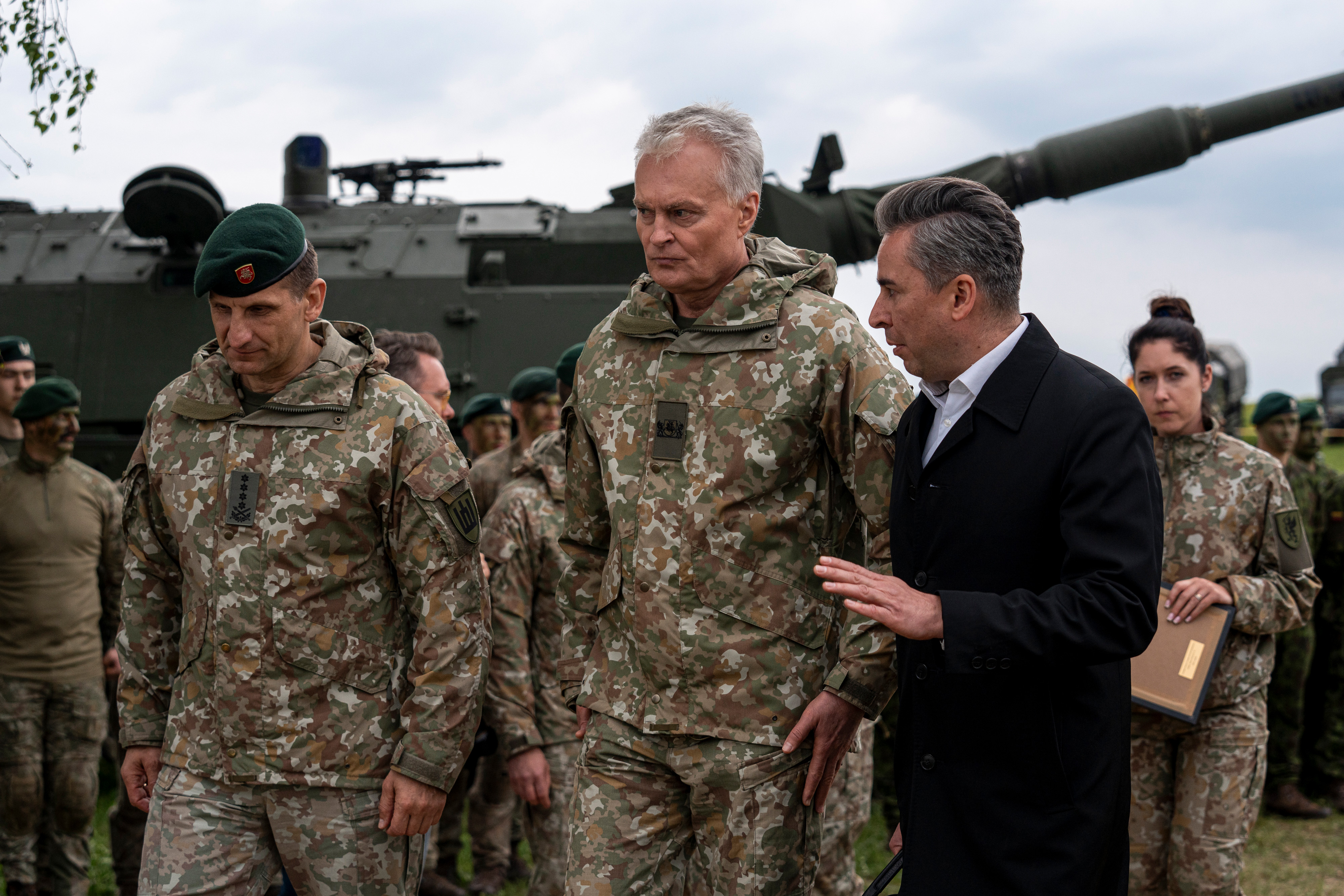
Lithuanian President Gitanas Nausėda opened the conference by linking the spending spree to Russia’s ongoing invasion of Ukraine, which has heightened security concerns across the Baltics. Nausėda noted that Lithuania has already seen a rise in foreign defense investments, driven by the war’s prolonged conflict and the need for rapid military modernization. The president’s remarks underscored the urgency of the spending plan, which aims to address immediate threats while building long-term defense capabilities within the region.
SAFE loans drive €12.2B spending plan
The SAFE program, designed to support EU member states in strengthening their defense capabilities, provides low-interest loans to accelerate procurement. For the Baltics, this funding represents one of the largest defense spending initiatives in recent years, with contracts expected to be finalized within weeks. Officials from all three countries stressed that the loans will primarily cover acquisitions from European defense manufacturers, though some off-the-shelf purchases may still occur for critical needs. The push for local production aligns with broader EU efforts to reduce dependence on external suppliers, particularly amid supply chain disruptions caused by the war in Ukraine.
Latvian Defense Minister Andris Sprūds highlighted the importance of technology transfers during a panel discussion, stating that joint ventures with European partners would enable the Baltics to develop indigenous defense capabilities. Estonia’s Defense Minister Hanno Pevkur echoed this sentiment, noting that the spending plan will prioritize systems that can be integrated into NATO’s broader defense architecture. Both ministers emphasized that the contracts would include clauses ensuring local assembly or manufacturing where feasible.
Russia’s war in Ukraine accelerates Baltic defense plans
The timing of the spending push coincides with escalating tensions in Eastern Europe, where Russia’s invasion of Ukraine has prompted NATO allies to bolster their military postures. The Baltics, which share borders with Russia’s Kaliningrad exclave and Belarus, have been particularly vocal about the need for rapid defense modernization. Lithuanian officials confirmed that the new spending will include air defense systems, armored vehicles and precision-guided munitions, all aimed at countering potential threats from Russia.
The conference in Vilnius, held ahead of the main DAIMEX Baltic event in 2026, served as a platform for defense officials to outline their procurement strategies. Participants discussed the challenges of balancing immediate operational needs with long-term industrial development, including workforce training and infrastructure investments. A senior European Commission representative confirmed that the SAFE loans were designed to support such dual objectives, offering flexibility in how funds are allocated.
As the Baltics finalize their procurement plans, the broader implications extend beyond the region. The spending spree signals a shift in EU defense policy, with member states increasingly prioritizing regional collaboration and self-sufficiency. Analysts note that this approach could set a precedent for other EU nations facing similar security challenges. The contracts, once signed, will mark the beginning of a multi-year effort to modernize the Baltics’ military capabilities while reducing reliance on external suppliers.
What You Need to Know
- Source: Defense News
- Published: May 13, 2026 at 13:13 UTC
- Category: War
- Topics: #defense · #military · #pentagon · #war · #ukraine · #russia
Read the Full Story
This is a curated summary. For the complete article, original data, quotes and full analysis:
All reporting rights belong to the respective author(s) at Defense News. GlobalBR News summarizes publicly available content to help readers discover the most relevant global news.
Curated by GlobalBR News · May 13, 2026
Related Articles
- Wembanyama’s Spurs reach Western finals, Pistons stay alive in NBA playoffs
- 🎉 250 Articles in War!
- 🎉 100 Articles in War!
🇧🇷 Resumo em Português
A Europa respira em ritmo de guerra novamente, e os países bálticos — porta de entrada da OTAN na fronteira com a Rússia — dão mais um passo decisivo para blindar sua segurança. Com um investimento bilionário de €12,2 bilhões (cerca de R$ 70 bilhões) em armas e equipamentos produzidos localmente, a Estônia, Letônia e Lituânia não apenas reforçam suas defesas como também redefinem a indústria de defesa europeia, colocando a Europa Oriental no centro do tabuleiro geopolítico.
O acordo, impulsionado pela invasão russa da Ucrânia em 2022, reflete uma estratégia clara: reduzir a dependência de fornecedores externos, especialmente dos EUA, e acelerar a autossuficiência militar na região. Para o Brasil, que mantém uma relação complexa com países como a Rússia no campo de defesa e enfrenta desafios semelhantes em termos de soberania industrial, o modelo báltico serve como estudo de caso — embora em escala e contexto distintos. A medida também coloca a União Europeia em um novo patamar de integração militar, algo que pode influenciar futuras políticas de segurança em outras regiões, inclusive na América do Sul, onde a cooperação em defesa ainda é limitada.
Enquanto Moscou assiste com preocupação ao fortalecimento do flanco leste da OTAN, o próximo passo será observar como a Rússia reage diplomaticamente — e se o investimento báltico inspirará outros países europeus a seguir o mesmo caminho.
🇪🇸 Resumen en Español
Las repúblicas bálticas dan un paso histórico al destinar 12.200 millones de euros a un ambicioso plan de rearme europeo con sello local, una respuesta contundente al expansionismo ruso en Ucrania que redefine la seguridad del flanco oriental de la OTAN.
La iniciativa, impulsada por Estonia, Letonia y Lituania, no solo busca blindar sus fronteras ante la amenaza de Moscú, sino también tejer una red industrial de defensa en la región para reducir la dependencia de suministros externos. Con un enfoque en la producción conjunta de sistemas de misiles, municiones y vehículos blindados, el proyecto —avalado por Bruselas— marca un giro estratégico hacia la autonomía militar europea, justo cuando la guerra en Ucrania cumple dos años y la escalada de tensiones con Rusia alcanza niveles inéditos. Para los hispanohablantes, este movimiento subraya cómo el conflicto ucraniano está acelerando una nueva era en la geopolítica de la defensa, donde la colaboración transnacional y la innovación local emergen como pilares para disuadir agresiones futuras.
Defense News
Read full article at Defense News →This post is a curated summary. All rights belong to the original author(s) and Defense News.
Was this article helpful?



Discussion