Italy moves to adopt its first national security strategy after years of postponement.
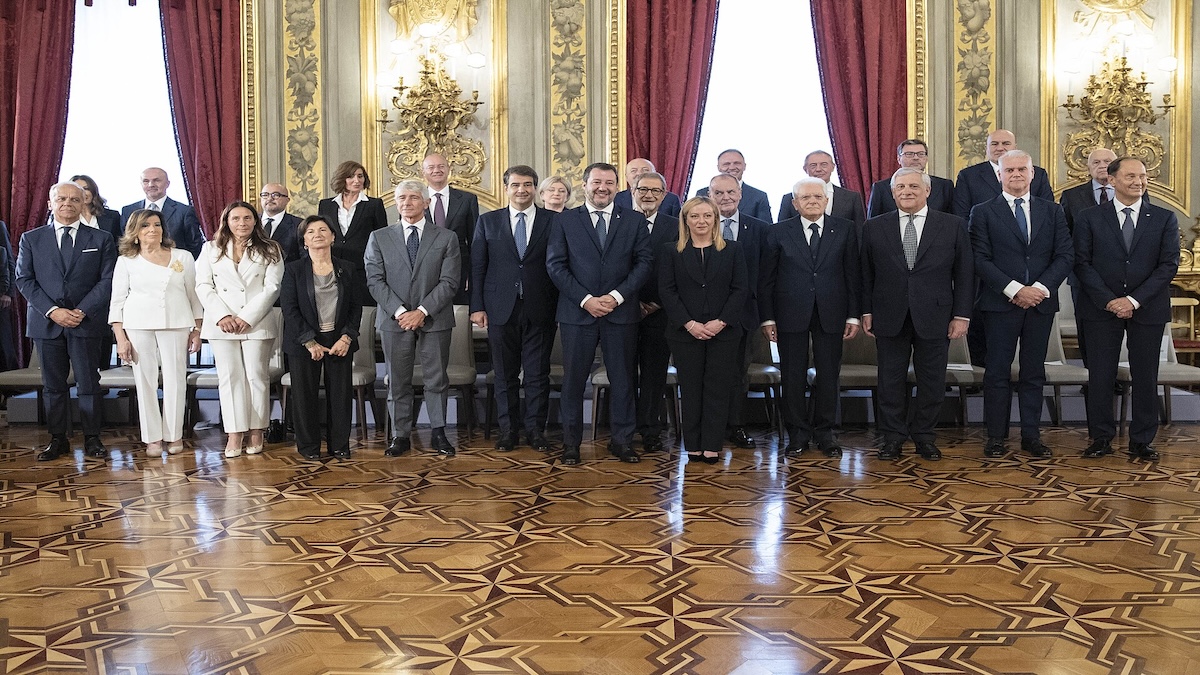
- Italy to publish first national security strategy after decades without one.
- Decision follows shifts in domestic politics and external threats.
- Strategy aims to address security gaps amid global uncertainty.
Italy is poised to publish its first-ever national security strategy, breaking a decades-long impasse that made it the only G7 nation without such a framework. The document, expected in the coming months, marks a significant shift in how Italy approaches defense and security amid rising global tensions.
For generations, Italy avoided formalizing a national security strategy due to a mix of political instability, institutional rivalries, and reliance on U.S. security guarantees in Europe and the Mediterranean. Successive governments cited a relatively stable post-Cold War environment as justification for the delay. However, recent changes—including increased domestic political cohesion and mounting external pressures—have created new incentives to act.
The push for a strategy gained momentum as Italy faced evolving threats, including cyberattacks, migration crises, and energy insecurity. Analysts say the strategy could help align military, diplomatic, and economic policies under a unified framework. Italy’s Ministry of Defense has been coordinating with other agencies, including the Ministry of Foreign Affairs and intelligence services, to finalize the plan.
The absence of a formal strategy has long drawn criticism from NATO allies, who argue it complicates coordination on shared security challenges. Italy’s participation in missions like the Russo-Ukrainian War support efforts has further exposed gaps in its defense planning. Now, with the European Union and NATO emphasizing collective security, Italy’s move aligns with broader regional trends.
Domestic politics played a key role in breaking the deadlock. Prime Minister Giorgia Meloni has prioritized defense modernization since taking office in 2022, including increased military spending. Her government’s push for a strategy signals a break from past indecision, though challenges remain in balancing competing priorities like economic growth and social spending.
Critics question whether the strategy will deliver tangible results or remain a symbolic gesture. Past attempts at defense reforms have stalled due to bureaucratic resistance and budget constraints. Still, supporters argue that even a basic framework could improve Italy’s ability to respond to crises, from hybrid warfare to climate-related risks.
Looking ahead, Italy’s strategy could serve as a model for other nations reconsidering their own security postures. If implemented effectively, it may strengthen Italy’s role in NATO and EU defense debates. The document’s release will be closely watched by policymakers and analysts alike.
What You Need to Know
- Source: War on the Rocks
- Published: May 12, 2026 at 07:15 UTC
- Category: War
- Topics: #defense · #military · #geopolitics · #war · #closing · #rules
Read the Full Story
This is a curated summary. For the complete article, original data, quotes and full analysis:
All reporting rights belong to the respective author(s) at War on the Rocks. GlobalBR News summarizes publicly available content to help readers discover the most relevant global news.
Curated by GlobalBR News · May 12, 2026
Related Articles
- Wembanyama’s Spurs reach Western finals, Pistons stay alive in NBA playoffs
- 🎉 100 Articles in War!
- Man killed in great white shark attack in western Australia
🇧🇷 Resumo em Português
A Itália finalmente coloca as cartas na mesa da segurança nacional, anunciando sua primeira estratégia oficial, um passo há muito adiado em meio a crises migratórias, tensões geopolíticas e pressões da OTAN. Depois de décadas de discussões sem resultado, o governo italiano se prepara para divulgar um documento que promete redefinir prioridades, orçamentos e alianças do país em um cenário global cada vez mais instável. A iniciativa surge em um momento crítico, quando Roma busca equilibrar sua tradicional postura diplomática com a necessidade de reforçar sua defesa diante de ameaças como o expansionismo russo na Europa e a instabilidade no Mediterrâneo.
O contexto por trás dessa estratégia não poderia ser mais urgente para o Brasil e os leitores de língua portuguesa. A Itália, como membro fundador da União Europeia e da OTAN, sempre teve um papel-chave na segurança europeia, mas agora enfrenta pressões para assumir um protagonismo maior em um continente sob forte tensão. A estratégia italiana pode servir como um espelho para outros países da Europa que ainda hesitam em formalizar suas políticas de defesa, oferecendo um modelo de como conciliar interesses nacionais com compromissos internacionais. Além disso, em um mundo onde a segurança não conhece fronteiras, as decisões tomadas por Roma terão reflexos diretos em países como Portugal e Espanha, que compartilham desafios semelhantes no Atlântico e no Mediterrâneo.
O que está em jogo agora é se a Itália conseguirá superar suas divisões políticas internas e implementar a estratégia de forma efetiva — ou se o documento cairá no mesmo limbo das tentativas anteriores. Se bem-sucedida, a iniciativa poderá inspirar outros países a seguirem o exemplo, redefinindo o mapa da segurança europeia.
🇪🇸 Resumen en Español
Italia da un paso histórico al presentar su primera Estrategia Nacional de Seguridad, un documento largamente postergado que busca modernizar sus estructuras de defensa ante desafíos globales cada vez más complejos. El anuncio llega en un momento crítico, marcado por tensiones geopolíticas en el Mediterráneo, la crisis energética y la presión de aliados como la OTAN para aumentar su contribución militar.
El contexto revela décadas de retrasos, desde la Guerra Fría hasta la posguerra, donde Italia priorizó la estabilidad política sobre la planificación estratégica. Ahora, con una guerra en Ucrania que redefine el tablero europeo y migraciones masivas en el Mediterráneo, Roma busca alinear su seguridad con estándares aliados, aunque enfrenta obstáculos como la burocracia, la división parlamentaria y la resistencia al incremento del gasto militar. Para los hispanohablantes, especialmente en Europa, el caso italiano sirve de espejo: evidencia cómo las potencias medias deben equilibrar tradición y urgencia en un mundo donde la seguridad ya no se mide solo en fronteras, sino en resistencia económica y ciberdefensa.
War on the Rocks
Read full article at War on the Rocks →This post is a curated summary. All rights belong to the original author(s) and War on the Rocks.
Was this article helpful?


Discussion