NSW Health orders blood-borne virus tests for Sydney dental clinic patients after infection control failures.
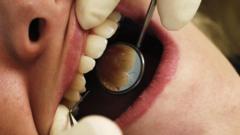
- Health authorities ordered urgent blood-borne virus tests for dental clinic patients
- Inspectors found 'poor infection control practices' in Sydney dental clinic
- Tests recommended for HIV, hepatitis B and hepatitis C exposures
New South Wales Health issued an alert late Friday, warning patients of a Sydney dental clinic to undergo immediate testing for blood-borne viruses after inspectors discovered ‘poor infection control practices’ during a routine review. The unnamed clinic at the center of the investigation was found to have breached multiple infection control standards, raising concerns about potential cross-contamination between patients through shared instruments or improper sterilization procedures.
Authorities did not disclose the clinic’s location but confirmed it serves a large patient base, prompting NSW Health to urge all recent patients to contact the department for testing. The alert specifically mentions HIV, hepatitis B and hepatitis C as viruses of concern, though officials noted the risk level depends on the nature of the exposure and the procedures performed. The department stated it is coordinating testing clinics and expects to begin appointments within days.
Health authorities confirm investigation into Sydney dental clinic
The Dental Board of Australia and NSW Health are now conducting a joint investigation into the clinic’s practices, with inspectors reviewing records, equipment and sterilization logs. A spokesperson for NSW Health confirmed the ‘poor infection control practices’ finding but declined to detail the specific breaches or whether any patients have already tested positive for infections. The clinic has not issued a public statement and could not be reached for comment.
Health officials emphasized that while the risk of transmission is considered low, the precautionary approach is standard during such investigations. They urged patients who underwent procedures at the clinic since January 2023 to contact NSW Health immediately to schedule a confidential blood test. The department stated it will cover all testing costs and provide results within 10 business days.
Long-term impact on public trust in dental care
Dental safety experts warned that such incidents can erode public confidence in dental care standards, particularly in private clinics where oversight varies. Associate Professor Matthew Hopcraft, president of the Australian Dental Association (Victoria), said routine compliance checks are essential but gaps can occur due to staff shortages or inadequate training. He added that while most Australian dentists follow strict protocols, isolated failures can have serious consequences.
NSW Health has not released the number of patients potentially exposed but confirmed it is contacting clinics statewide to reinforce infection control guidelines. The department stated it will release a full report once the investigation concludes, expected within two weeks. Patients with concerns were advised to call the dedicated hotline for confidential advice.
Health Minister Ryan Park expressed concern over the findings and reaffirmed the government’s commitment to patient safety. ‘We take these breaches extremely seriously,’ Park said. ‘Every patient has the right to safe, sterile medical care.’ He added that the government is reviewing all registered dental clinics across NSW to prevent similar incidents. The review will include unannounced inspections and increased audits of sterilization practices.
What You Need to Know
- Source: BBC News
- Published: May 13, 2026 at 06:17 UTC
- Category: Health
- Topics: #bbc · #health · #medicine · #war · #conflict · #sydney
Read the Full Story
This is a curated summary. For the complete article, original data, quotes and full analysis:
All reporting rights belong to the respective author(s) at BBC News. GlobalBR News summarizes publicly available content to help readers discover the most relevant global news.
Curated by GlobalBR News · May 13, 2026
Related Articles
- Why ‘Ballmaxxing’ May Be More Dangerous Than You Think
- Woman thrives 30 years after 1996 HIV diagnosis at age 74
- 18 Americans airlifted home after hantavirus outbreak on cruise ship
🇧🇷 Resumo em Português
O medo de contrair doenças em consultórios odontológicos ganhou novo fôlego na Austrália, após o alerta do Departamento de Saúde de Nova Gales do Sul (NSW Health) para pacientes de uma clínica dental em Sydney: todos devem fazer testes para HIV, hepatite B e C devido a práticas inadequadas de controle de infecção.
O episódio expôs falhas graves em procedimentos básicos de biossegurança, como esterilização precária de instrumentos e reutilização indevida de agulhas, o que aumenta drasticamente o risco de transmissão de doenças infecciosas. No Brasil, onde a fiscalização em clínicas odontológicas nem sempre é rigorosa e há relatos frequentes de irregularidades, o caso serve como alerta para pacientes e profissionais, destacando a importância de verificar sempre a credibilidade do estabelecimento antes de se submeter a qualquer procedimento. Especialistas brasileiros reforçam que, embora não haja casos semelhantes recentemente no país, a vigilância deve ser constante para evitar tragédias evitáveis. A investigação australiana já resultou no fechamento temporário da clínica, enquanto as autoridades locais trabalham para identificar possíveis vítimas e conter a disseminação de informações.
🇪🇸 Resumen en Español
Una clínica dental de Sídney alerta a sus pacientes tras descubrirse graves fallos en el control de infecciones, poniendo en riesgo su salud.
La alerta, emitida por las autoridades sanitarias de Nueva Gales del Sur (NSW Health), ha generado alarma al revelar prácticas deficientes en la esterilización y manipulación de instrumentos, lo que podría haber expuesto a los pacientes a virus como el VIH o la hepatitis. Aunque las autoridades insisten en que el riesgo es bajo, recomiendan a quienes hayan sido atendidos en los últimos meses someterse a pruebas médicas para descartar cualquier contagio. Este caso reabre el debate sobre la importancia de protocolos estrictos en centros sanitarios, especialmente en un contexto global donde la prevención de enfermedades infecciosas sigue siendo una prioridad.
BBC News
Read full article at BBC News →This post is a curated summary. All rights belong to the original author(s) and BBC News.
Was this article helpful?



Discussion