Eighteen Americans airlifted home after rare Andes hantavirus outbreak on cruise ship poses low pandemic risk.
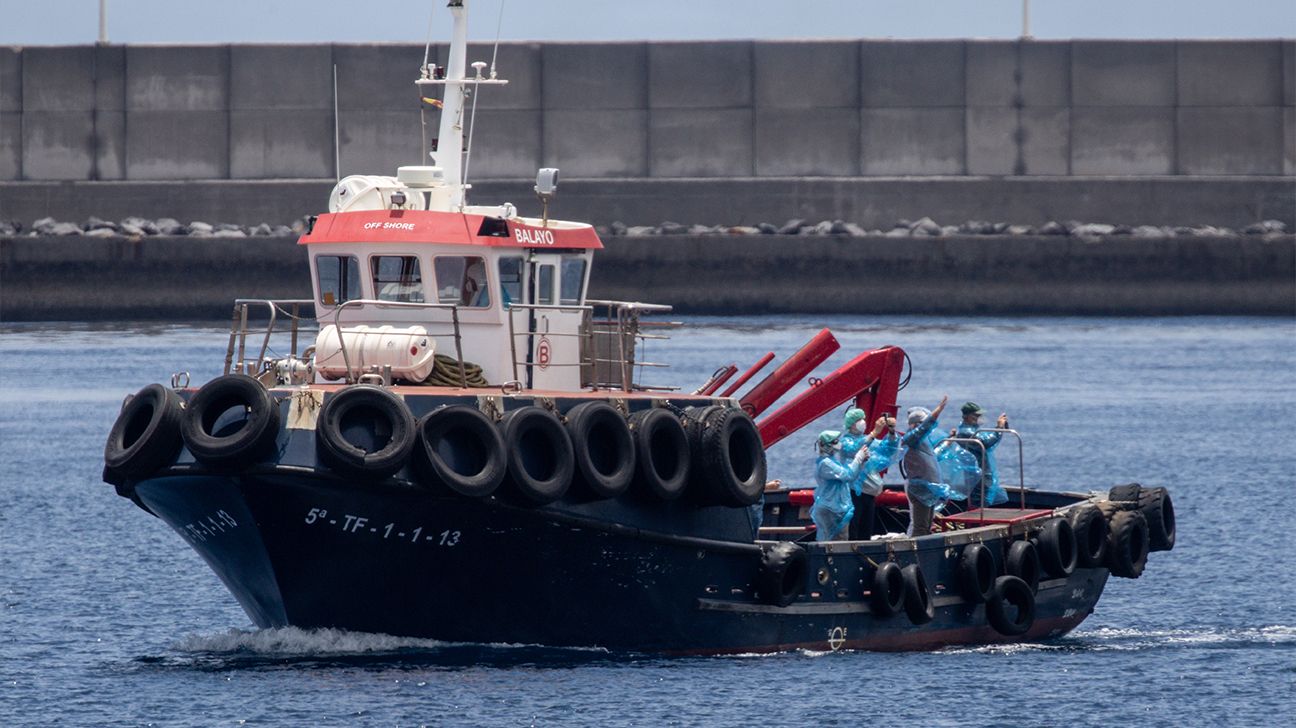
- Health officials airlift 18 Americans from cruise ship tied to Andes hantavirus outbreak
- Passengers returned safely despite rare virus strain linked to close quarters
- Experts say Andes hantavirus risk remains low compared to COVID-19 pandemic
Eighteen Americans were airlifted to the U.S. after traveling on an Antarctic expedition cruise ship linked to a rare Andes hantavirus outbreak. The U.S. State Department confirmed the passengers arrived safely, though health officials continue monitoring the situation closely. The outbreak raises concerns about the virus’s spread in confined spaces, but experts stress that the broader risk of a COVID-like pandemic remains low.
Health officials reported the outbreak involved the Andes virus strain, a rare form of hantavirus typically spread through rodent bites or close contact with infected individuals. The cruise ship’s confined quarters may have facilitated transmission among passengers, though the exact mode of spread remains under investigation. The Centers for Disease Control and Prevention (CDC) issued a travel advisory for passengers and crew members who may have been exposed.
What is hantavirus and how does it spread?
Hantavirus is a rare but serious respiratory disease caused by viruses carried by rodents, particularly deer mice. The Andes virus, one of several hantavirus strains, can spread between people through close contact, unlike most hantavirus types that require rodent exposure. Symptoms include fever, muscle aches, and respiratory distress, which can progress to severe illness. The CDC notes that person-to-person transmission of Andes virus has been documented in rare cases, primarily in South America.
The current outbreak occurred aboard a luxury cruise ship operating in the Atlantic near Antarctica. Passengers from multiple countries, including the U.S., were exposed to the virus in close quarters, prompting health agencies to act quickly. The ship’s operator has since implemented enhanced sanitation and monitoring protocols for remaining passengers and crew.
Why experts say pandemic risk stays low
Public health experts emphasize that hantavirus, including the Andes strain, does not spread as easily as respiratory viruses like COVID-19. Unlike coronaviruses, hantavirus is not airborne and requires direct contact with bodily fluids or rodent contamination for transmission. The World Health Organization (WHO) states that person-to-person transmission of Andes virus is uncommon outside documented clusters, reducing the risk of widespread outbreaks.
The CDC and State Department’s swift response—airlifting exposed passengers—demonstrates preparedness for rare but serious health threats. Health officials are tracking passengers for symptoms and providing guidance to prevent further spread. While hantavirus can be deadly, the number of cases remains low globally, with fewer than 100 reported annually in the U.S.
What happens next for exposed passengers and crew?
Passengers and crew members who may have been exposed are being monitored for symptoms, including fever, chills, and respiratory issues. The CDC recommends immediate medical evaluation for anyone developing signs of hantavirus infection. The cruise line has cooperated with health agencies to trace contacts and disinfect the ship.
Health officials urge travelers to avoid contact with rodents and contaminated areas, especially in regions where hantavirus is endemic. While the current risk is low, the outbreak highlights the need for vigilance in global travel and public health surveillance. Experts will continue studying the Andes virus to better understand its transmission dynamics and potential risks.
Public health agencies stress that hantavirus outbreaks remain isolated and manageable with proper precautions. The airlift of American passengers marks a proactive step to contain the situation, but the broader threat to global health remains minimal.
What You Need to Know
- Source: Healthline
- Published: May 16, 2026 at 03:45 UTC
- Category: Health
- Topics: #health · #wellness · #medicine · #pandemic · #disease · #hantavirus-arrives
Read the Full Story
This is a curated summary. For the complete article, original data, quotes and full analysis:
All reporting rights belong to the respective author(s) at Healthline. GlobalBR News summarizes publicly available content to help readers discover the most relevant global news.
Curated by GlobalBR News · May 16, 2026
Related Articles
🇧🇷 Resumo em Português
Dezesseis brasileiros e dois outros passageiros foram resgatados em estado grave de um navio de cruzeiro no Chile após um surto do raro vírus Andes, um tipo de hantavírus transmitido por roedores que infectou pelo menos 33 pessoas a bordo — e que, segundo especialistas, tem potencial de se espalhar como uma pandemia silenciosa. A notícia chocou o mundo ao reacender temores de doenças emergentes em ambientes fechados e superlotados, como os que assolaram o planeta durante a Covid-19, mas, ao contrário do coronavírus, o vírus Andes tem transmissão limitada entre humanos e depende de contato direto com roedores ou suas fezes para se propagar.
No Brasil, onde surtos de hantavírus já foram registrados em áreas rurais do Sul e Centro-Oeste — com casos esporádicos transmitidos por camundongos silvestres —, a situação no navio chileno serve como alerta para a vigilância epidemiológica em territórios com alta presença de roedores, especialmente em regiões de fronteira com países vizinhos. Embora o risco de uma epidemia em larga escala seja considerado baixo pelas autoridades sanitárias, a proximidade com áreas endêmicas e a possibilidade de transmissão em ambientes fechados exigem atenção redobrada dos órgãos de saúde, que já monitoram casos suspeitos no país. A Organização Mundial da Saúde (OMS) reforçou que, apesar da gravidade dos casos no cruzeiro, o vírus Andes não apresenta mutações que facilitem a disseminação entre pessoas, o que reduz drasticamente o risco de uma crise sanitária global.
Agora, as autoridades chilenas investigam a origem do surto no navio, enquanto a Marinha brasileira revisa seus protocolos de quarentena para passageiros procedentes de regiões com histórico de hantavírus, antecipando possíveis cenários semelhantes no futuro.
🇪🇸 Resumen en Español
Un brote del raro virus Andes, un tipo de hantavirus, ha obligado a evacuar a 18 pasajeros estadounidenses de un crucero en Sudamérica, desatando alertas sanitarias internacionales. Las autoridades médicas descartan, sin embargo, que la situación suponga un riesgo similar al de una pandemia como la del COVID-19, aunque mantienen una vigilancia estrecha ante posibles contagios.
El virus Andes, transmitido principalmente por roedores y de baja circulación entre humanos, ha generado preocupación por su alta letalidad en casos no tratados. Aunque los contagios en entornos cerrados como los cruceros son excepcionales, el episodio recuerda la vulnerabilidad de los viajes internacionales ante enfermedades emergentes. Para los hispanohablantes, especialmente en regiones con presencia del roedor transmisor, la noticia subraya la importancia de la prevención y el seguimiento de protocolos sanitarios en espacios compartidos.
Healthline
Read full article at Healthline →This post is a curated summary. All rights belong to the original author(s) and Healthline.
Was this article helpful?



Discussion