Utah approves 40,000-acre AI datacenter needing more power than the whole state and heavy water use.
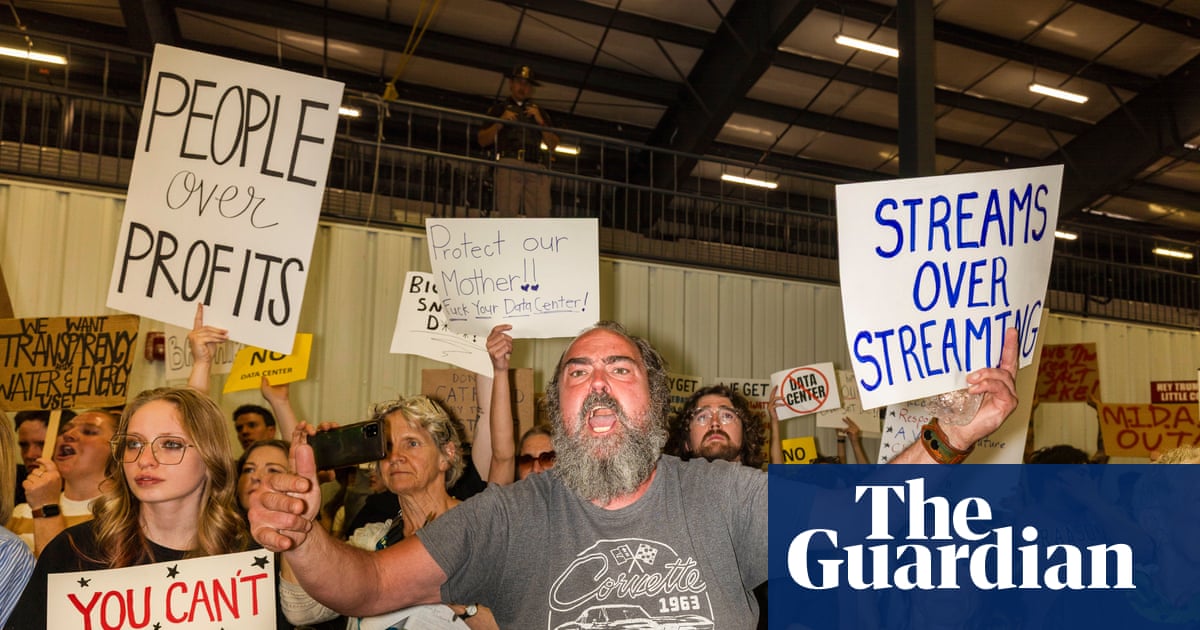
- Utah approves 40,000-acre AI datacenter project Friday
- Facility needs 9GW of power, exceeding state's entire consumption
- Project covers 62 square miles across three Box Elder County sites
Regulators in Utah on Friday approved plans for one of the world’s largest artificial intelligence datacenters, a project so massive it will stretch over 40,000 acres—more than twice the size of Manhattan—in the state’s drought-stricken Box Elder County. The Stratos facility, proposed by Vantage Data Centers, will require up to 9 gigawatts of electricity, according to state filings, exceeding the total power consumption of Utah’s 3.4 million residents. The project’s water needs remain partially undisclosed but are expected to place additional strain on a region already facing severe drought conditions that have persisted for over a decade.
Opposition to the project has mounted rapidly since the approval, with local residents, environmental advocates and some state officials warning the facility could destabilize the regional power grid and deplete already-shrinking aquifers. ‘This is irresponsible given our current water shortages,’ said Rep. Joel Ferry, a Republican state legislator from Box Elder County. ‘We’re talking about a facility that will consume more electricity than the entire state, yet we have no guarantees on where that power will come from—especially if it’s renewable.’ Ferry added that the project could force costly infrastructure upgrades that ratepayers would ultimately bear.
Utah’s energy grid faces strain
The datacenter’s power demand represents a major challenge for PacifiCorp, Utah’s primary electricity provider, which is already struggling to meet peak demand during summer heatwaves. Officials from PacifiCorp have not confirmed whether the additional load will be met with new power plants, renewable energy expansions or by diverting power from other users. ‘The grid simply isn’t sized for this,’ said Thomas Sanchez, an energy policy analyst at the University of Utah. ‘Adding 9GW is like slapping a new city the size of Houston onto the system overnight.’
Water concerns center on the datacenter’s cooling systems, which typically require millions of gallons annually for large-scale facilities. Box Elder County sits atop the Bear River Basin, a critical water source already under federal scrutiny for overuse. The U.S. Bureau of Reclamation has warned that the basin’s water levels have dropped 40% since 2000, threatening both agriculture and municipal supplies. ‘We cannot afford to gamble our water security on a single project, especially one that prioritizes corporate profits over community survival,’ said Deeda Seed, a senior campaigner for the Center for Biological Diversity.
Vantage Data Centers has pledged to use ‘water-efficient cooling technologies’ and claims the facility will run on 100% renewable energy within 10 years. However, critics question whether such promises are enforceable, given that Utah has no binding renewable energy mandates for private corporations. The company has not provided detailed water usage estimates, citing proprietary designs, though industry benchmarks suggest a facility of this size could require between 5 million and 10 million gallons of water per day during peak summer months.
Local officials divided on economic benefits
Proponents argue the Stratos project will bring thousands of construction jobs and long-term tax revenue to Box Elder County, one of Utah’s poorest regions. ‘This is an economic lifeline for our community,’ said Box Elder County Commissioner Mark Shepherd. ‘We’ve been fighting to diversify our economy beyond agriculture, and this project puts us on the map as a tech hub.’ Shepherd acknowledged the water and energy concerns but stated the county had negotiated agreements with Vantage to address them.
Environmental groups, however, have filed formal objections, arguing the project violates the state’s Clean Water Act compliance requirements. The Southern Utah Wilderness Alliance has vowed to challenge the approval in court, claiming the project will harm endangered species and accelerate groundwater depletion. ‘This is a classic case of putting corporate greed ahead of public health and the environment,’ said Landry Parks, the alliance’s legal director. ‘Utah’s leaders are gambling with our future.’
State regulators maintain the project met all legal requirements during the approval process, which included public hearings and environmental impact reviews. Still, the backlash reflects growing national scrutiny of datacenter expansion in water-stressed regions. Similar controversies have erupted in Arizona, Texas and Nevada, where tech giants like Amazon, Microsoft and Meta operate massive facilities. The Utah case could set a precedent for how states balance economic development with environmental sustainability as AI infrastructure demands surge.
What You Need to Know
- Source: The Guardian
- Published: May 13, 2026 at 11:30 UTC
- Category: Environment
- Topics: #guardian · #climate · #environment · #machine-learning · #irresponsible
Read the Full Story
This is a curated summary. For the complete article, original data, quotes and full analysis:
All reporting rights belong to the respective author(s) at The Guardian. GlobalBR News summarizes publicly available content to help readers discover the most relevant global news.
Curated by GlobalBR News · May 13, 2026
🇧🇷 Resumo em Português
O estado de Utah, nos Estados Unidos, aprovou a construção de um megacentro de dados de inteligência artificial que ocupará uma área duas vezes maior que a ilha de Manhattan, despertando críticas e preocupações em todo o mundo. A megainfraestrutura, prevista para consumir impressionantes 9 gigawatts de energia e vastas quantidades de água em uma região assolada pela seca, como o condado de Box Elder, já enfrenta um forte movimento de repúdio por seu impacto ambiental descomunal.
No Brasil, onde a discussão sobre a expansão da infraestrutura digital e seus custos ambientais também ganha força, o caso de Utah serve como um alerta sobre os riscos de priorizar o desenvolvimento tecnológico sem considerar os limites dos recursos naturais. Especialistas brasileiros alertam que projetos semelhantes, ainda que em menor escala, poderiam agravar problemas como a escassez hídrica em estados já pressionados pelo estresse ambiental, como São Paulo e Minas Gerais. Além disso, a dependência de energia para alimentar data centers — muitas vezes oriunda de fontes poluentes — coloca em xeque as metas de redução de emissões do país, reforçando a necessidade de políticas públicas que equilibrem inovação e sustentabilidade.
A polêmica em Utah deve intensificar os debates globais sobre a responsabilidade das big techs no uso de recursos, enquanto ambientalistas já prometem pressionar por revisões nos projetos e por marcos regulatórios mais rígidos.
The Guardian
Read full article at The Guardian →This post is a curated summary. All rights belong to the original author(s) and The Guardian.
Was this article helpful?


Discussion