Ukraine war proves medics need combat training to survive and save lives on modern battlefields.
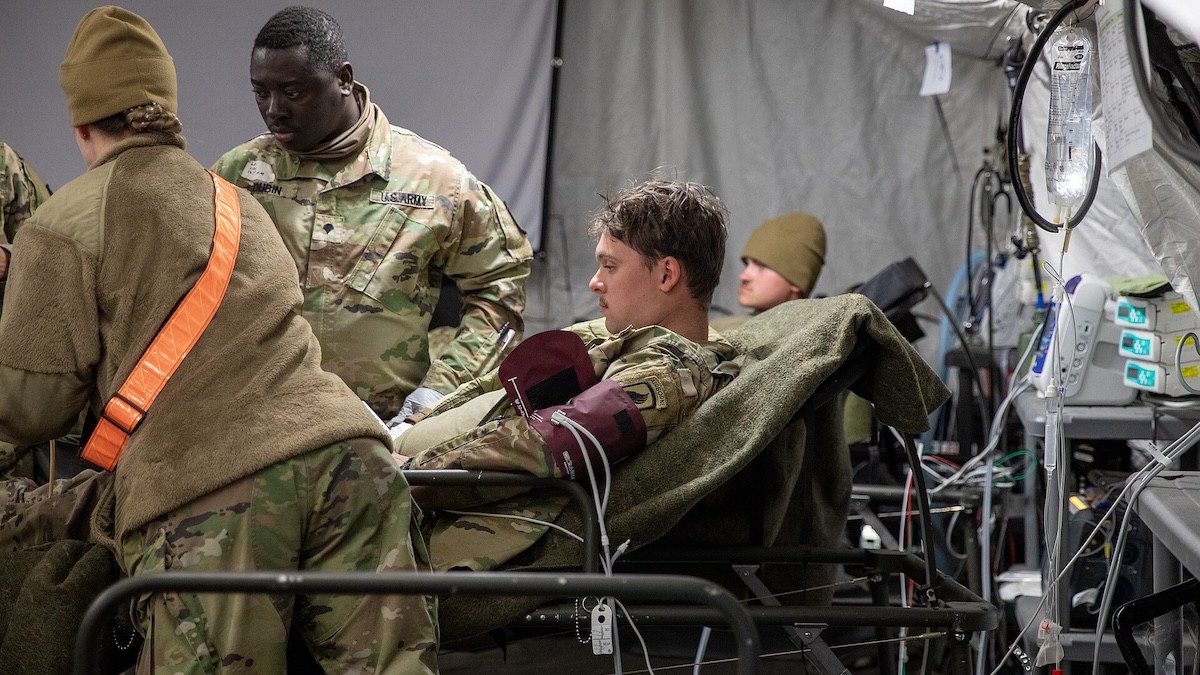
- Scores of Ukrainian medics killed after battlefield attacks in recent years
- Russian forces targeted aid stations and evacuation routes
- Medics need tactical combat training to survive and treat casualties
Scores of medical personnel on the front lines in Ukraine have been killed in recent years after Russian forces repeatedly targeted aid stations, evacuation routes and trauma teams. These attacks have shattered the long-held belief that medical units operate under protected status during combat. Medics—from junior enlisted caregivers to senior physicians—now face lethal dangers that demand a new approach to training and survival.
Experts argue that medics must be equipped with tactical combat skills to operate in modern peer conflict environments. Without this preparation, medics become vulnerable and may even pose security risks to their units. The brutal reality of the war in Ukraine reveals that skipping combat training for medical personnel creates a losing formula on the battlefield.
Russia’s Strategy Targets Medical Infrastructure
Since the invasion, Russian forces have systematically attacked Ukrainian medical facilities and personnel. These strikes are not random; they offer a tactical triple advantage. First, they eliminate trained medical staff who could save lives. Second, they disrupt evacuation chains that move wounded soldiers to advanced care. Third, they erode morale among remaining troops who lose confidence in the safety of medical support.
International law, including the Geneva Conventions, has historically protected medical personnel and facilities. Yet these protections have proven ineffective against deliberate Russian strikes. The result is a battlefield where medics must fight not only to save lives but also to survive themselves.
Medics as Combatants, Not Bystanders
Historical models like Machaon, the legendary healer from Greek mythology who fought alongside warriors, offer a blueprint for today’s medics. Modern medics must balance medical skill with tactical awareness. They need proficiency in small arms, movement under fire, and situational decision-making to protect themselves and their patients.
Training programs such as the U.S. Army’s 68W Combat Medic Specialist course now integrate tactical combat casualty care (TCCC). These programs teach medics to treat wounds while advancing, defend positions, and navigate ambushes. Similar programs are expanding across NATO and allied nations as peer threats increase.
The Cost of Untrained Medics
Failure to provide combat training for medics has consequences beyond individual loss. Units with untrained medics face slower casualty evacuations, higher mortality rates, and compromised operational security. Medics who hesitate or make poor decisions under fire endanger both patients and comrades.
In Ukraine, reports indicate that some medics have been forced to carry weapons into aid stations not for offense, but for survival. This shift reflects a grim adaptation to modern warfare where no position is safe and every role must contribute to combat readiness.
International Response and Future Training Needs
Military leaders worldwide are rethinking medical training in light of Ukraine’s lessons. The U.S. Department of Defense has increased funding for TCCC programs and expanded joint exercises with allies. NATO has prioritized medical resilience in its defense plans, emphasizing the integration of medics into combat teams.
Yet challenges remain. Not all nations can afford full-spectrum combat training for medics. Resource disparities create gaps in preparedness, particularly in smaller or less-equipped forces. The war in Ukraine serves as a stark reminder that investment in medical training is not optional—it is essential to battlefield survival.
The larger implication is clear: modern warfare demands medics who are as skilled in combat as they are in medicine. Without such training, the humanitarian cost of war will continue to rise—and the myth of protected medics will remain buried under artillery fire.
What You Need to Know
- Source: War on the Rocks
- Published: May 01, 2026 at 07:30 UTC
- Category: War
- Topics: #defense · #military · #geopolitics · #war · #conflict · #modern-combat-requires
Read the Full Story
This is a curated summary. For the complete article, original data, quotes and full analysis:
All reporting rights belong to the respective author(s) at War on the Rocks. GlobalBR News summarizes publicly available content to help readers discover the most relevant global news.
Curated by GlobalBR News · May 01, 2026
Related Articles
🇧🇷 Resumo em Português
A guerra na Ucrânia já tirou a vida de dezenas de profissionais de saúde no campo de batalha, expostos a ataques diretos enquanto tentavam salvar vidas. Diante desse cenário, especialistas debatem a necessidade de transformar os socorristas em verdadeiros “medicamentos guerreiros”, inspirados na figura mitológica de Machaon, herói grego que combinava habilidades médicas e estratégicas para sobreviver em meio ao combate.
O Brasil, que tem participado ativamente de missões de paz e treinamentos internacionais, precisa repensar sua doutrina de saúde militar, especialmente se considerar possíveis cenários de conflito assimétrico ou em áreas urbanas densamente povoadas. A experiência ucraniana mostra que, sem treinamento tático avançado, os profissionais de saúde se tornam alvos fáceis, comprometendo não apenas a capacidade de resposta, mas também a moral das tropas. Para a população brasileira, a discussão é relevante porque reflete em políticas públicas de saúde em ambiente hostil, como em operações de Garantia da Lei e da Ordem (GLO) ou em missões humanitárias em zonas de conflito.
Nos próximos meses, espera-se que o Exército Brasileiro e o Ministério da Defesa avaliem a implementação de cursos específicos, mesclando técnicas de primeiros socorros com treinamentos de sobrevivência e táticas de evasão.
🇪🇸 Resumen en Español
La guerra en Ucrania ha destapado una cruda realidad: los sanitarios, convertidos en blanco de los combates, necesitan formación táctica para protegerse sin abandonar su labor de salvar vidas. En un escenario donde las bajas entre médicos militares superan cifras alarmantes, la supervivencia en el frente exige más que conocimientos clínicos.
El conflicto ucraniano ha evidenciado que, en la guerra moderna, los equipos médicos ya no pueden limitarse a curar heridas: deben saber moverse bajo fuego, elegir rutas seguras y hasta defenderse como combatientes. Para el público hispanohablante, este caso subraya una lección clave: la profesión sanitaria militar ya no es ajena a los riesgos extremos, y su preparación debe evolucionar para evitar que su sacrificio sea en vano. La pregunta ahora es si otros ejércitos, incluyendo los de la región, están adoptando estas medidas antes de que la próxima batalla repita la misma tragedia.
War on the Rocks
Read full article at War on the Rocks →This post is a curated summary. All rights belong to the original author(s) and War on the Rocks.
Was this article helpful?

Discussion