Delhi NCR CNG prices spiked twice in 48 hours, forcing drivers to demand fare hikes or price relief.
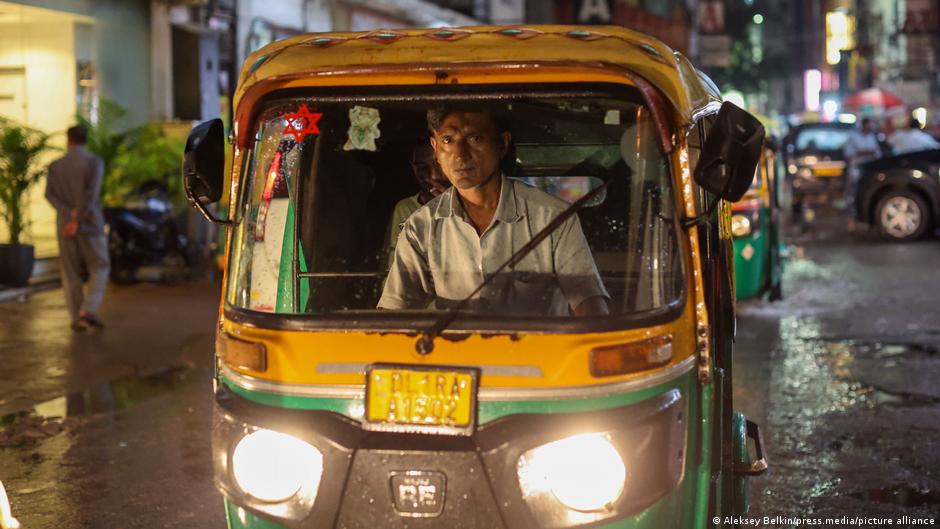
- Price jumped by ₹2.50 per kg in Delhi NCR
- Taxi unions asked for fare increases or subsidies
- Modi arrived in Sweden on his European tour
Compressed Natural Gas (CNG) prices in Delhi and the National Capital Region (NCR) jumped another ₹2.50 per kilogram on Saturday, marking the second hike in 48 hours. The increase—now ₹74.50 per kg—means drivers must shoulder higher costs after the Iran war disrupted global fuel markets. Taxi and auto rickshaw unions say they can’t absorb the blow and are pushing the government to either subsidize prices or let them raise fares. The Delhi government hasn’t responded yet, but transport officials confirm they’re reviewing the demand under pressure from daily wage drivers who say their earnings are dropping fast.
Why CNG prices keep climbing
The latest spike follows a ₹3.50 per kg hike on Thursday, the first since the Middle East conflict flared up. India imports about 40% of its natural gas, and sanctions on Iran—one of its key suppliers—have tightened supplies. Even though India pivoted to LNG from Qatar and the U.S., prices remain volatile. The government’s price cap hasn’t kept pace with global markets, forcing retailers to pass costs directly to consumers. Auto drivers in Noida told reporters their daily profit dropped by ₹300 to ₹400 since the hikes began.
Modi’s Europe trip overlaps with fuel crisis
Prime Minister Narendra Modi landed in Stockholm on Saturday as part of a five-country tour that includes Sweden, Norway, Italy, and the Netherlands. The timing couldn’t be worse for drivers who hoped the government would ease pressure before the summer travel rush. Modi’s last stop, the UAE, saw India secure new LNG deals, but those won’t help Delhi’s CNG users immediately. Opposition leaders accused his administration of failing to shield drivers and commuters from the global ripple effects of the Iran war.
What drivers want—and what’s next
The All India Motor Transport Congress, which represents truckers and taxi unions, called for an immediate 10% fare increase to offset costs. They also demanded the government cover half the price hike through subsidies or tax cuts. Delhi’s transport minister hasn’t commented, but industry insiders say the government might introduce a one-time relief package for drivers registered under state welfare schemes. For now, commuters in Gurgaon and Faridabad are bracing for higher fares, while some drivers have switched to petrol vehicles where possible to avoid losses. The next price review is due in 10 days, but unions warn they’ll strike if the government doesn’t act soon.
Broader impact on India’s fuel market
India’s gas crisis isn’t just about CNG. Fertilizer plants and power stations are also feeling the pinch, with some industries cutting output to manage costs. The government has ramped up imports from the U.S. and Australia, but shipping delays and higher freight charges have kept prices elevated. Analysts say the pain will last until global markets stabilize or India secures long-term contracts at fixed rates. For Delhi’s 1.2 million CNG vehicles, the squeeze is real: daily commutes cost more, and drivers’ livelihoods are on the line.
What You Need to Know
- Source: Deutsche Welle
- Published: May 17, 2026 at 06:06 UTC
- Category: World
- Topics: #europe · #world-news · #war · #conflict · #india
Read the Full Story
This is a curated summary. For the complete article, original data, quotes and full analysis:
All reporting rights belong to the respective author(s) at Deutsche Welle. GlobalBR News summarizes publicly available content to help readers discover the most relevant global news.
Curated by GlobalBR News · May 17, 2026
Related Articles
- 🎉 250 Articles in World!
- Bulgaria wins Eurovision 2025 with Dara’s historic victory
- ‘She was phenomenal, she was iconic’: Delta Goodrem wins praise as Australia places fourth at Eurovision
🇧🇷 Resumo em Português
O preço do gás natural veicular (GNV) deu um novo salto na capital indiana em apenas 48 horas, jogando combustível na fogueira da crise que já afeta motoristas de aplicativo e taxistas em todo o mundo. Enquanto o Brasil debate reajustes de preços de combustíveis internamente, a Índia, um dos maiores importadores de petróleo do planeta, sente na pele os reflexos da guerra no Irã, que desestabiliza ainda mais o mercado energético global.
A disparada nos preços do GNV em Déli — que subiu pela segunda vez em dois dias — reflete a vulnerabilidade dos países dependentes de importações de energia, especialmente aqueles que, como a Índia, mantêm laços comerciais com o Irã, sancionado internacionalmente. Para os brasileiros, o caso serve como alerta: mesmo com um mercado interno de combustíveis mais protegido, flutuações nos preços internacionais, agravadas por conflitos geopolíticos, podem encarecer o transporte e pressionar a inflação no longo prazo. A situação coloca em xeque a política energética indiana, que precisa equilibrar preços internos, subsídios e a busca por fontes alternativas, enquanto milhões de trabalhadores do volante exigem alívio imediato.
A expectativa agora é de que o governo indiano anuncie medidas paliativas, como subsídios temporários ou reajustes nas tarifas de transporte, enquanto monitora de perto os desdobramentos do conflito no Oriente Médio.
🇪🇸 Resumen en Español
El inesperado conflicto en Irán ha disparado los precios del gas natural comprimido (CNG) en Delhi en menos de 48 horas, dejando a miles de taxistas y usuarios en una encrucijada económica. Las dos subidas consecutivas, que elevaron el coste del combustible en un 10%, han reavivado el debate sobre la dependencia energética de la India y su vulnerabilidad ante crisis geopolíticas a miles de kilómetros.
India, que importa cerca del 85% de su petróleo, sufre las consecuencias indirectas de la guerra en Oriente Medio, donde el suministro global se resiente. Para los hispanohablantes, el caso sirve como advertencia sobre los riesgos de una economía global interconectada: aunque la región esté lejos, un conflicto en Irán puede encarecer el transporte en las calles de Delhi en cuestión de días. Los taxistas ya exigen ajustes en las tarifas o subsidios, pero el problema trasciende lo local, revelando cómo las decisiones geopolíticas distantes impactan en el bolsillo cotidiano de millones.
Deutsche Welle
Read full article at Deutsche Welle →This post is a curated summary. All rights belong to the original author(s) and Deutsche Welle.
Was this article helpful?

Discussion