Deutsche Bank kept Epstein’s accounts open months after saying they severed ties, internal emails reveal.
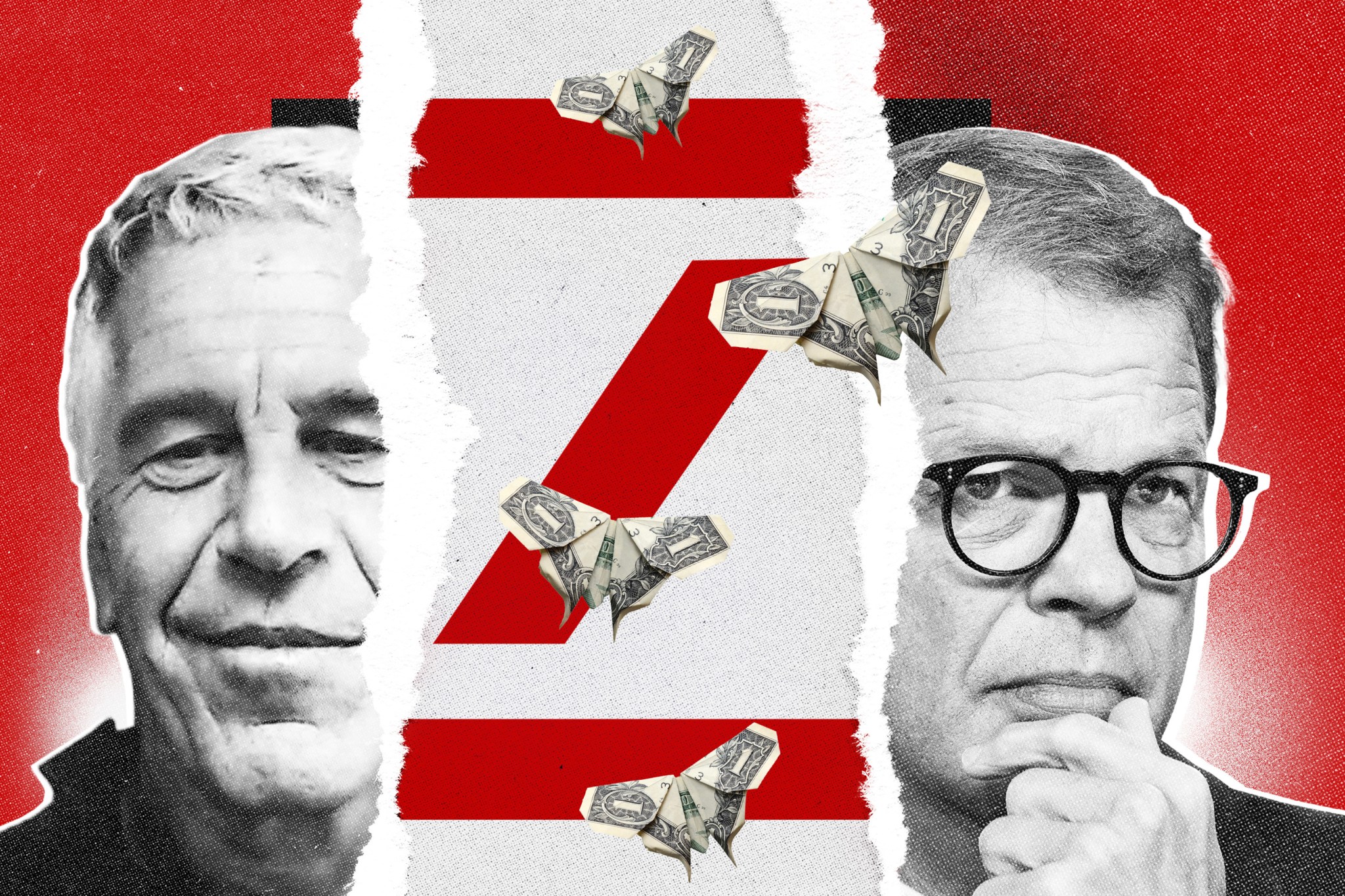
- Deutsche Bank staff discussed Epstein’s accounts days before his 2019 arrest.
- Bank emails show some accounts remained open despite public claims of closure.
- Stewart Oldfield, a Deutsche Bank director, emailed colleagues about Epstein’s unverified accounts in May 2019.
On May 10, 2019, Stewart Oldfield, a director in Deutsche Bank’s U.S. wealth unit, sent an email with the subject line “Epstein account closure.” In it, he wrote that some of Epstein’s accounts were still open, contradicting the bank’s public claim that it had severed ties with the financier months earlier. Oldfield’s message came just seven weeks before Epstein’s July 6, 2019 arrest on sex trafficking charges. The bank had previously told regulators and the public it had cut Epstein loose after a 2018 Miami Herald investigation exposed his abuse of underage girls and his failure to register as a sex offender in New York. Deutsche Bank later admitted in court filings that it had profited from Epstein’s business for years, handling transactions worth hundreds of millions through his accounts. The bank paid $75 million in settlements with Epstein’s victims and regulators over its handling of his accounts. Epstein killed himself in jail in August 2019 while awaiting trial. The revelations from Oldfield’s email raise fresh questions about Deutsche Bank’s compliance failures and whether it ignored red flags about Epstein’s activities for years. Court documents and internal emails show Deutsche Bank employees flagged Epstein’s accounts as high-risk as early as 2013, but the bank continued to do business with him. In 2015, the bank’s compliance team even recommended closing his accounts, but the decision was overturned by senior managers who cited Epstein’s connections to wealthy clients and his influence in New York’s elite circles. ## The bank’s slow-motion breakup with Epstein Deutsche Bank first told Epstein to close his accounts in November 2018, after a Miami Herald expose detailed his decades of abuse. But Oldfield’s email shows the bank was still processing transactions for Epstein in May 2019, including accounts it claimed were closed. The bank’s internal systems showed multiple accounts under Epstein’s name remained active, with balances that didn’t match what Oldfield told colleagues had been shut down. Oldfield’s email suggests the bank was scrambling to reconcile its public statements with the reality of its ongoing relationship with Epstein. He wrote, “Since the client intends to have the rest of their accounts closed this week or next, let’s agree on what is still open.” The phrasing implies Epstein’s team was finally pushing for closure, but Deutsche Bank’s systems still listed accounts as active. ## Why Deutsche Bank kept Epstein for so long Epstein’s ties to wealthy clients and his reputation as a powerful financier in New York made him a valuable client for Deutsche Bank, despite his growing notoriety. Documents show the bank viewed Epstein as a “high-net-worth individual” who brought in significant revenue through fees and transactions. In 2017 alone, Epstein moved $14.2 million through his Deutsche Bank accounts, according to court filings. Senior managers at the bank reportedly resisted closing his accounts because they feared losing other wealthy clients who did business with Epstein. The bank’s compliance team, however, repeatedly warned that Epstein’s activities posed serious risks, including potential money laundering and reputational damage. In 2016, Deutsche Bank’s New York branch filed a suspicious activity report (SAR) on Epstein’s accounts, citing his history of underage sex trafficking allegations and his failure to register as a sex offender. The SAR was one of at least five filed on Epstein’s accounts between 2013 and 2018, but the bank continued to do business with him. ## The fallout and what’s next for Deutsche Bank After Epstein’s arrest, Deutsche Bank faced a wave of lawsuits from his victims, regulators, and shareholders. The bank admitted fault in court filings and agreed to pay $75 million in settlements, including $58 million to Epstein’s victims and $17 million to regulators. The settlements resolved claims that the bank had failed to properly monitor Epstein’s accounts and ignored red flags about his activities. The bank also agreed to overhaul its compliance systems and hired an independent monitor to oversee its anti-money laundering (AML) practices. Deutsche Bank’s reputation suffered severe damage, and some clients withdrew their money in protest. The bank’s U.S. wealth management division, which handled Epstein’s accounts, was later sold off as part of a broader restructuring. The case also led to broader scrutiny of how banks handle high-risk clients, particularly those with histories of misconduct. Regulators have since tightened rules for private banks, requiring more rigorous due diligence on clients with questionable backgrounds. The revelations about Deutsche Bank’s handling of Epstein’s accounts underscore the risks banks take when prioritizing profits over compliance. Epstein’s arrest and death didn’t just end his story—they exposed systemic failures at one of the world’s largest banks.
What You Need to Know
- Source: Fortune
- Published: May 17, 2026 at 11:00 UTC
- Category: Business
- Topics: #fortune · #business · #economy · #war · #conflict · #jeffrey-epstein
Read the Full Story
This is a curated summary. For the complete article, original data, quotes and full analysis:
All reporting rights belong to the respective author(s) at Fortune. GlobalBR News summarizes publicly available content to help readers discover the most relevant global news.
Curated by GlobalBR News · May 17, 2026
Related Articles
- Zillow’s remote-only hiring brings in talent from all 50 states
- Why working-class voices matter for UK culture and media
- Kevin Warsh’s Fed takeover: 5 things Wall Street is really watching
🇧🇷 Resumo em Português
O Deutsche Bank manteve por meses as contas do condenado Jeffrey Epstein mesmo após afirmar publicamente ter encerrado os vínculos com o criminoso sexual, revelam documentos internos da instituição. A prática expõe falhas graves de compliance e levanta dúvidas sobre a eficácia das políticas de combate à lavagem de dinheiro em grandes bancos globais, colocando em xeque a confiança do mercado financeiro internacional.
O caso ganha contornos ainda mais críticos ao ser analisado sob a perspectiva brasileira, onde a regulação bancária enfrenta constantes desafios para coibir crimes financeiros. O episódio reforça críticas à fiscalização insuficiente em instituições estrangeiras que operam no país e reacende o debate sobre a necessidade de maior transparência nas operações offshore. Para os contribuintes e investidores brasileiros, a notícia serve como alerta sobre os riscos de se confiar cegamente em sistemas de controle que, como mostram os e-mails do Deutsche Bank, podem esconder brechas perigosas.
A Justiça dos EUA já iniciou investigações sobre o banco, e o desdobramento do caso pode resultar em multas bilionárias — o que, por tabela, afetaria também as operações do Deutsche Bank no Brasil.
🇪🇸 Resumen en Español
Deutsche Bank mantuvo en secreto las cuentas de Jeffrey Epstein meses después de afirmar públicamente que había cortado sus lazos con el controvertido financiero. Esta revelación, basada en correos internos, expone una grave laguna en los controles del banco, que solo cerró definitivamente sus vínculos con Epstein tras su arresto en 2019.
El caso refleja fallos estructurales en la supervisión financiera, especialmente en instituciones con presencia global como Deutsche Bank, que operan en mercados regulados. Para los lectores hispanohablantes, el escándalo subraya la importancia de la transparencia bancaria y los riesgos de negligencia en la gestión de clientes de alto perfil, un tema relevante en un contexto donde la banca europea enfrenta crecientes exigencias regulatorias. La falta de diligencia debida no solo daña la reputación de las entidades, sino que también alimenta dudas sobre la efectividad de los mecanismos de control en el sector.
Fortune
Read full article at Fortune →This post is a curated summary. All rights belong to the original author(s) and Fortune.
Was this article helpful?


Discussion