Wes Streeting vows to run for Labour leadership if a contest starts, pushing for EU rapprochement.
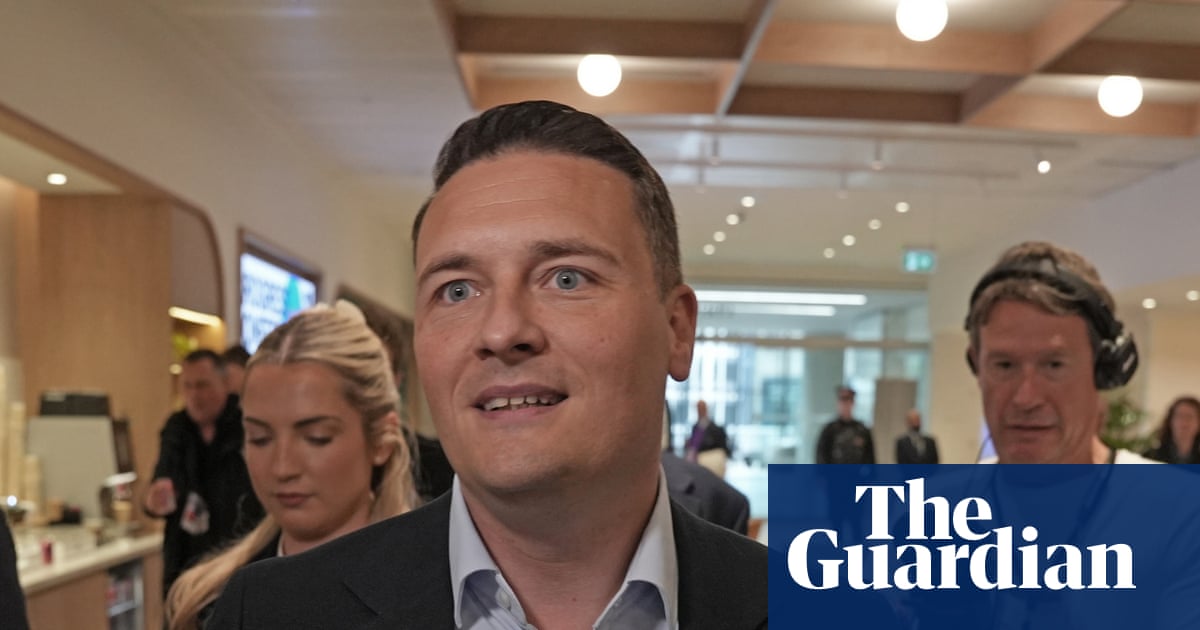
- Wes Streeting confirms he will run for UK Labour leadership if a contest begins
- He demands a proper leadership vote, not a coronation
- Streeting calls for new ‘special relationship’ with European Union
Labour MP Wes Streeting has become the first senior figure to publicly declare he will run to replace Prime Minister Keir Starmer if the party triggers a leadership contest, calling for a full and open competition rather than a pre-arranged handover. Speaking at the annual conference hosted by the centre-left think tank Progress in London on Saturday, Streeting, the former health secretary, set out his intention to contest the leadership, warning that Labour risked losing public trust if it avoided a contest. “The British people deserve a proper contest, not a coronation,” Streeting told delegates. “I believe in democracy, and that includes within our own party.”
Policy platform emerges as Streeting eyes leadership
Streeting used the platform to unveil the early contours of his policy platform, including a pledge to forge a “new special relationship” with the European Union. While he stopped short of calling for immediate UK re-entry into the bloc, he signalled that future membership remained a long-term goal, arguing that closer ties could boost trade, security and economic growth. “We need to be honest with ourselves: the current relationship with the EU is not working for Britain,” Streeting said. “We should be looking at how we can deepen our cooperation, including on trade, regulation and security.” His comments mark a significant shift from the current Labour government’s cautious approach to EU relations.
Labour divisions over leadership contest likely
Streeting’s announcement increases the likelihood of a contested leadership election, which would be the first since Jeremy Corbyn’s defeat in 2020. While the party has not yet triggered a leadership contest, internal discussions have intensified over the past month following a series of polling setbacks for Labour. Streeting, a prominent Blairite within the party, is positioning himself as a moderniser who can reconnect with disaffected voters while maintaining Labour’s electoral dominance. His leadership ambitions also signal a generational shift within the party, with Starmer, 61, facing questions over his long-term future.
EU rapprochement key to Streeting’s pitch
The former health secretary’s call for a new EU relationship comes as Labour faces pressure from both pro-European and Eurosceptic wings within the party. While Shadow Chancellor Rachel Reeves has ruled out rejoining the single market or customs union in the current parliament, Streeting’s rhetoric suggests a more flexible approach. He argued that Labour must adopt a pragmatic stance to address economic challenges, including sluggish growth and declining trade with Europe. “We cannot afford to ignore the EU,” he said. “It remains our largest trading partner, and we need to find ways to work more closely without surrendering control.”
Streeting’s leadership bid is also likely to reshape Labour’s internal dynamics, with potential candidates such as Deputy Leader Angela Rayner and former Shadow Chancellor John McDonnell expected to assess their options in the coming weeks. The party’s ruling National Executive Committee is due to meet next month to discuss the rules governing any future leadership election, including whether to reduce the threshold for triggering a contest. Labour insiders say Streeting’s move could accelerate those discussions.
What happens next in Labour’s leadership race?
A leadership contest would require a majority of Labour MPs to trigger a vote, followed by a ballot of the wider party membership. Under current rules, a candidate needs the support of at least 20% of Labour MPs to enter the first round. Streeting, a long-serving MP from Ilford North, is seen as having enough backing to clear that hurdle, but his path to victory remains uncertain. The contest would likely hinge on his ability to unite the party’s diverse factions while appealing to the broader electorate. For now, Streeting’s announcement has shifted the political conversation, forcing Labour to confront questions about its direction and unity ahead of the next general election.
What You Need to Know
- Source: The Guardian
- Published: May 16, 2026 at 15:06 UTC
- Category: Politics
- Topics: #guardian · #politics · #government · #wes-streeting · #labour
Read the Full Story
This is a curated summary. For the complete article, original data, quotes and full analysis:
All reporting rights belong to the respective author(s) at The Guardian. GlobalBR News summarizes publicly available content to help readers discover the most relevant global news.
Curated by GlobalBR News · May 16, 2026
Related Articles
🇧🇷 Resumo em Português
O deputado britânico Wes Streeting, uma das figuras mais influentes do Partido Trabalhista no Reino Unido, oficializou sua candidatura à liderança da legenda — e, consequentemente, à possibilidade de disputar o cargo de primeiro-ministro — caso uma eleição interna seja convocada. Com discurso centrado na necessidade de renovar a relação com a União Europeia e promover reformas profundas no partido, Streeting surge como um nome que busca redefinir a estratégia trabalhista diante do cenário político britânico pós-Brexit.
A confirmação de Streeting chega em um momento crucial para o Trabalhismo britânico, que ainda tenta se reerguer após a derrota nas eleições de 2024 e a crise interna gerada pela saída de Keir Starmer da disputa pela liderança. Para o Brasil, a notícia interessa não apenas pelo impacto no cenário europeu, mas também porque reflete as tensões entre partidos progressistas e a nova direita populista na Europa, um debate que ressoa fortemente no país. Além disso, a discussão sobre uma possível reaproximação com o bloco europeu pode ter desdobramentos econômicos e comerciais para o Brasil, especialmente em acordos bilaterais e na definição de políticas de comércio exterior.
Com a data da eleição interna ainda indefinida, mas com fortes especulações de que ocorrerá ainda este ano, o nome de Wes Streeting ganha força como alternativa ao status quo do partido, prometendo uma agenda mais pragmática e menos ideológica.
🇪🇸 Resumen en Español
El diputado laborista Wes Streeting ha dejado claro que se presentará como candidato a la dirección del Partido Laborista británico si finalmente se convoca un proceso electoral interno, abriendo así un nuevo frente en la pugna por liderar la principal fuerza de la oposición en Reino Unido. Su anuncio, que llega en un momento de profunda división en las filas laboristas tras la dimisión de Keir Starmer, subraya la urgencia de una consulta abierta y transparente para renovar el proyecto político del partido.
Streeting, conocido por su perfil reformista y su postura europeísta, ha aprovechado su intervención para reclamar un giro estratégico hacia una relación más estrecha con la Unión Europea, un debate que resuena con fuerza entre los votantes británicos tras el Brexit. Su posible candidatura, junto a otros nombres como Yvette Cooper o David Lammy, refleja las tensiones internas entre quienes apuestan por moderación y quienes exigen un cambio radical, una disyuntiva que podría redefinir el futuro del laborismo y su capacidad para recuperar el poder en las próximas elecciones generales.
The Guardian
Read full article at The Guardian →This post is a curated summary. All rights belong to the original author(s) and The Guardian.
Was this article helpful?


Discussion