Lebanon’s abandoned refugee camps risk becoming new breeding grounds for extremist groups like in 2007.
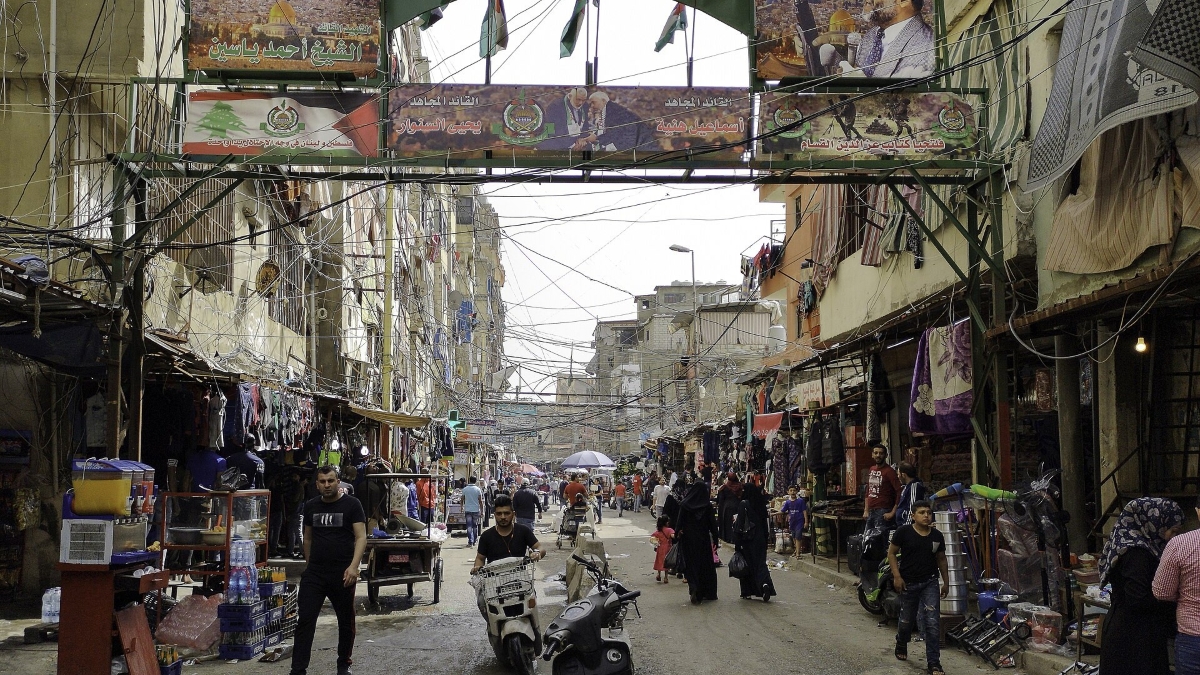
- 2007 Nahr al-Bared siege killed 400 and displaced 30,000
- Fatah al-Islam recruited from Palestinian and Syrian networks
- Today’s conditions mirror the chaos that fueled extremism before
Inside Lebanon’s crowded and neglected refugee camps, the same forces that led to the bloody 2007 Nahr al-Bared siege are gathering steam. Back then, the Lebanese Armed Forces Lebanese Armed Forces fought Fatah al-Islam—a Salafi-jihadist group—for three months in the northern Palestinian camp. The group thrived in the camp’s power vacuum, pulling in recruits from Palestinian, Syrian, and wider Arab networks. When the fighting ended, over 400 people were dead, and 30,000 residents were forced out of their homes for a second time. More than 15 years later, those conditions are back. The camps are still overcrowded, underfunded, and largely ignored by Lebanon’s government. That’s a perfect storm for extremists looking for fresh recruits and ungoverned spaces to operate in. The difference this time? The camps now hold even more people with even less hope. Palestinian refugees in Lebanon have lived in limbo since 1948, stripped of basic rights like owning property or working in dozens of professions. Syrian refugees, who fled war after 2011, face growing hostility and dwindling aid. Both groups are trapped in places where the Lebanese state barely exists. It’s not hard to see why groups like Fatah al-Islam—or new ones—could find fertile ground here. Nahr al-Bared wasn’t an isolated incident. It was a warning. And warnings don’t get clearer than 400 deaths and a city left in ruins. ## A broken system makes recruiting easy The Lebanese government has never properly managed its refugee camps. Aid groups step in when they can, but funding is inconsistent, and security is almost nonexistent. Inside the camps, armed factions—not the state—often control who comes and goes. That’s exactly what Fatah al-Islam exploited in 2007. The group moved in during a power struggle among Palestinian factions, offering money, weapons, and a promise of purpose to desperate young men. Today, the same dynamics are in play. Lebanon’s economy is collapsing, and poverty is rampant. The UN Relief and Works Agency (UNRWA) UNRWA, which supports Palestinian refugees, is nearly broke. Syrian refugees, meanwhile, face rising resentment from Lebanese locals who blame them for economic strain. It’s a toxic mix. Extremist groups don’t need much to start. A few charismatic recruiters, some social media propaganda, and a promise of belonging can go a long way when people feel abandoned by everyone else. ## The role of regional players adds fuel to the fire Lebanon’s camps aren’t just isolated pockets of misery—they’re connected to wider conflicts. Syria’s civil war never really ended, and its spillover still shapes the region. Palestinian factions with ties to Syria and Iran operate in the camps, while Syrian refugees bring stories of Assad’s brutality and ISIS’s rise. This regional chaos gives extremist groups more tools to radicalize recruits. For example, some Palestinian factions in Lebanon have openly supported Syria’s Assad regime, while others reject it entirely. That division creates space for new groups to step in and claim they’re the only ones standing up for “the cause.” It’s not just about ideology—it’s about who can offer protection or pay better. Meanwhile, Hezbollah Hezbollah, Lebanon’s most powerful armed group, has its own agenda. It controls parts of the country and has clashed with Sunni factions in the past. That tension further weakens the government’s grip and leaves more room for extremists to operate. ## What happens next? If history repeats itself, Lebanon could see another Nahr al-Bared-style crisis. The difference this time is the scale. There are nearly 200,000 Palestinian refugees in Lebanon and over 800,000 Syrian refugees. That’s a massive pool of potential recruits for groups looking to exploit frustration and despair. The Lebanese government is too weak to stop it. The army is underfunded and divided. The political class is more interested in fighting each other than fixing the country. Aid groups are stretched thin, and international donors are losing patience. Without real change, the camps will keep simmering—and eventually boil over. The only question is whether Lebanon’s next extremist uprising will be another bloody siege or something even worse.
What You Need to Know
- Source: War on the Rocks
- Published: May 05, 2026 at 07:15 UTC
- Category: War
- Topics: #defense · #military · #geopolitics · #security · #exploit · #abandoned
Read the Full Story
This is a curated summary. For the complete article, original data, quotes and full analysis:
All reporting rights belong to the respective author(s) at War on the Rocks. GlobalBR News summarizes publicly available content to help readers discover the most relevant global news.
Curated by GlobalBR News · May 05, 2026
Related Articles
- 🎉 250 Articles in War!
- 🎉 100 Articles in War!
- Two Nepali Sherpa climbers break own records on Mount Everest
🇧🇷 Resumo em Português
A sequência de crises que assola o Líbano há anos pode estar prestes a alimentar um novo ciclo de radicalização, com os campos de refugiados palestinos e sírios abandonados pelo governo transformando-se em territórios férteis para grupos extremistas. A memória da revolta em Nahr al-Bared, em 2007 — quando militantes do Fatah al-Islam desafiaram as forças libanesas, deixando centenas de mortos e um campo destruído —, agora surge como um alerta do que pode voltar a acontecer diante da crescente marginalização dessas comunidades.
O Líbano, país que já enfrentou décadas de guerra civil e uma instabilidade política crônica, vive uma situação humanitária cada vez mais precária, com cerca de 1,5 milhão de refugiados sírios e 200 mil palestinos — muitos deles em campos superlotados e sem acesso a serviços básicos. A ausência de políticas públicas efetivas e a recusa do governo em integrar essas populações, sob a justificativa de preservar a identidade nacional e evitar a naturalização, criam um vazio que grupos jihadistas, como o Estado Islâmico ou a Al-Qaeda, podem explorar para recrutar desesperados. Para o Brasil, que abriga a maior comunidade de descendentes de sírios e libaneses fora do Oriente Médio, o agravamento da crise no país do Cedro não é apenas uma questão humanitária distante: é um lembrete de como as políticas de exclusão podem ter consequências globais, inclusive no recrutamento de brasileiros para conflitos no exterior.
Se nada for feito, o Líbano pode se tornar o próximo palco de uma insurgência transnacional, com repercussões que ultrapassam suas fronteiras — e o Brasil, que já viu casos de radicalização em comunidades de refugiados, precisa estar atento.
🇪🇸 Resumen en Español
El abandono institucional y la falta de oportunidades están convirtiendo los campos de refugiados palestinos y sirios en Líbano en focos de radicalización, con ecos del levantamiento de Nahr al-Bared de 2007 que podrían repetirse hoy.
Líbano alberga a más de un millón de refugiados sirios y a unos 200.000 palestinos, muchos de ellos hacinados en campamentos sin infraestructuras básicas ni perspectivas de integración. La crisis económica, la corrupción y la debilidad del Estado libanés han agravado su marginalización, creando un caldo de cultivo para grupos extremistas que aprovechan el descontento social. Para la comunidad hispanohablante, este escenario recuerda a otros conflictos donde la desesperación y la falta de soluciones políticas derivan en violencia, subrayando la urgencia de abordar estas crisis antes de que escalen.
War on the Rocks
Read full article at War on the Rocks →This post is a curated summary. All rights belong to the original author(s) and War on the Rocks.
Was this article helpful?


Discussion