Ask your doctor about estrogen gels, sprays, or pills if patches are out of stock.
- FDA lifted black-box warnings on hormone therapy products last year
- Demand for estrogen patches jumped 300% after warning labels dropped
- Supplies won’t catch up to demand for at least two more years
Pharmacies across the country tell patients the same thing: your estrogen patch is on backorder. The problem started after the U.S. Food and Drug Administration FDA removed long-standing black box warnings from hormone therapy products in 2023. The warnings scared many women away from estrogen for years. Once they were gone, prescriptions surged. Five manufacturers now run at full capacity, but the demand still isn’t met, according to the U.S. Department of Health and Human Services HHS, which hasn’t yet declared an official national shortage.
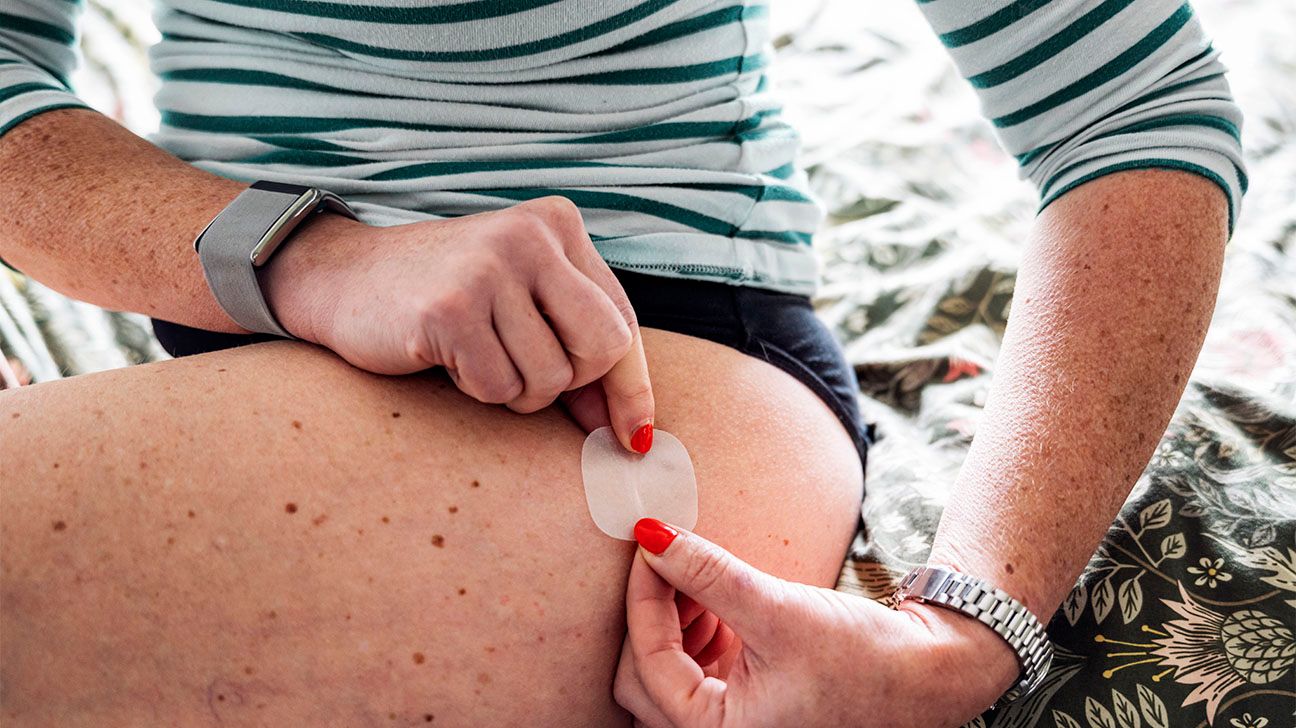
The gap between supply and demand is expected to last at least two more years. Clinicians say the backorders hit hardest in rural areas and smaller towns where pharmacies carry lower stock. Women who relied on patches for hot flashes, night sweats, and vaginal dryness now face weeks-long waits or forced switches. Most patches deliver a steady dose of estradiol through the skin, avoiding the liver and offering steadier hormone levels than pills.
Why the surge in prescriptions happened
The FDA’s decision to remove black box warnings in 2023 was based on re-analysis of large studies showing the risks of hormone therapy were smaller than once believed for most healthy women under 60. The warnings had been in place since 2002, after the Women’s Health Initiative study linked conjugated estrogen plus progestin to higher risks of heart attack, stroke, and breast cancer. Later reviews showed those risks were tied to older women and specific hormone types. The update paved the way for more prescriptions, but the patch supply couldn’t keep pace.
Women who can’t get patches now have several alternatives that work just as well. Estrogen gels like Divigel and EstroGel go on the thigh or arm and dry clear in minutes. Sprays like Evamist hit the skin under the arm and absorb quickly. Pills like Estrace deliver estrogen through the gut and are the simplest option. Each method avoids the patch supply chain entirely while providing similar symptom relief.
How to talk to your doctor about switching
Start by calling your pharmacy to confirm the shortage is real at your location. Then ask your clinician which alternative fits your needs and insurance. Gels and sprays cost about the same as patches, around $50 to $150 a month without insurance. Pills are usually cheaper, often under $20 a month. Some women prefer patches for steadier dosing, but gels and sprays can mimic that rhythm with twice-daily application.
Doctors also remind patients that non-hormonal options exist. Hot flash treatments like low-dose paroxetine (Brisdelle) or oxybutynin (Gelnique) can help some women. Vaginal moisturizers and lubricants ease dryness without hormones. Cognitive behavioral therapy has been shown to reduce the frequency and severity of hot flashes in clinical trials.
What happens next
HHS says manufacturers are expanding production lines and building new facilities, but new patches won’t hit shelves until 2026 at the earliest. In the meantime, clinicians urge women to ask about switching early rather than waiting for backorders to clear. Pharmacies are starting to stock more gels and sprays as demand rises, but supplies can still run low during flu season when shipping slows down.
For women who’ve used patches for years, the switch can feel unsettling. Clinicians recommend a slow transition—starting with half-doses or shorter trial periods—to let the body adjust. Most women adjust within a few weeks, and many find their menopausal symptoms improve with the new method just as well as before.
What You Need to Know
- Source: Healthline
- Published: May 16, 2026 at 22:51 UTC
- Category: Health
- Topics: #health · #wellness · #medicine · #war · #conflict · #menopause-estrogen-patches
Read the Full Story
This is a curated summary. For the complete article, original data, quotes and full analysis:
All reporting rights belong to the respective author(s) at Healthline. GlobalBR News summarizes publicly available content to help readers discover the most relevant global news.
Curated by GlobalBR News · May 16, 2026
Related Articles
- Midlife fitness boosts lifespan and health by 5+ years study finds
- Why ‘Ballmaxxing’ May Be More Dangerous Than You Think
- Weight Loss Surgeries Decline as GLP-1 Use Skyrockets. Why This Matters
🇧🇷 Resumo em Português
Escassez de adesivos de estrogênio para menopausa deixa milhões de brasileiras em busca de alternativas
Há anos, mulheres brasileiras na fase da menopausa enfrentam filas intermináveis e dificuldades para encontrar adesivos de estrogênio, um tratamento hormonal cada vez mais escasso nas farmácias do país. Com a redução da oferta global e o aumento da demanda, milhões de mulheres precisam recorrer a outras opções para aliviar os sintomas incômodos, como ondas de calor, insônia e alterações de humor, que muitas vezes impactam diretamente sua qualidade de vida.
No Brasil, onde a população feminina acima de 50 anos já ultrapassa 25 milhões, segundo o IBGE, a falta do insumo agrava um problema de saúde pública pouco discutido. Especialistas alertam que a reposição hormonal é essencial para muitas mulheres, mas a escassez tem levado médicos a substituir os adesivos por géis, sprays ou comprimidos, que oferecem resultados semelhantes. A Sociedade Brasileira de Endocrinologia e Metabologia (SBEM) reforça a importância de adaptar os tratamentos conforme a disponibilidade, mas destaca que o acesso desigual a essas alternativas pode aumentar as desigualdades no cuidado da saúde da mulher.
Enquanto a indústria farmacêutica busca soluções para normalizar o fornecimento, a recomendação é que as mulheres consultem seus ginecologistas para avaliar a melhor opção disponível, evitando automedicação e garantindo segurança no tratamento.
🇪🇸 Resumen en Español
La escasez de parches de estrógeno para la menopausia obliga a buscar alternativas más accesibles y efectivas para aliviar sus síntomas.
Desde hace años, la falta de estos parches ha generado preocupación entre pacientes y profesionales sanitarios, quienes ahora promueven opciones como geles, sprays o pastillas como soluciones más prácticas y disponibles. La situación resalta la necesidad de diversificar los tratamientos hormonales, especialmente en un contexto donde muchas mujeres buscan alivio para sofocos, sequedad vaginal u otros efectos de la menopausia. Para las hispanohablantes, esto significa explorar con sus médicos las alternativas más adaptadas a sus necesidades, priorizando opciones con evidencia científica y facilidad de acceso.
Healthline
Read full article at Healthline →This post is a curated summary. All rights belong to the original author(s) and Healthline.
Was this article helpful?



Discussion