King’s Speech takes backseat as MPs scramble over coffee shop plot ahead of Parliament address.
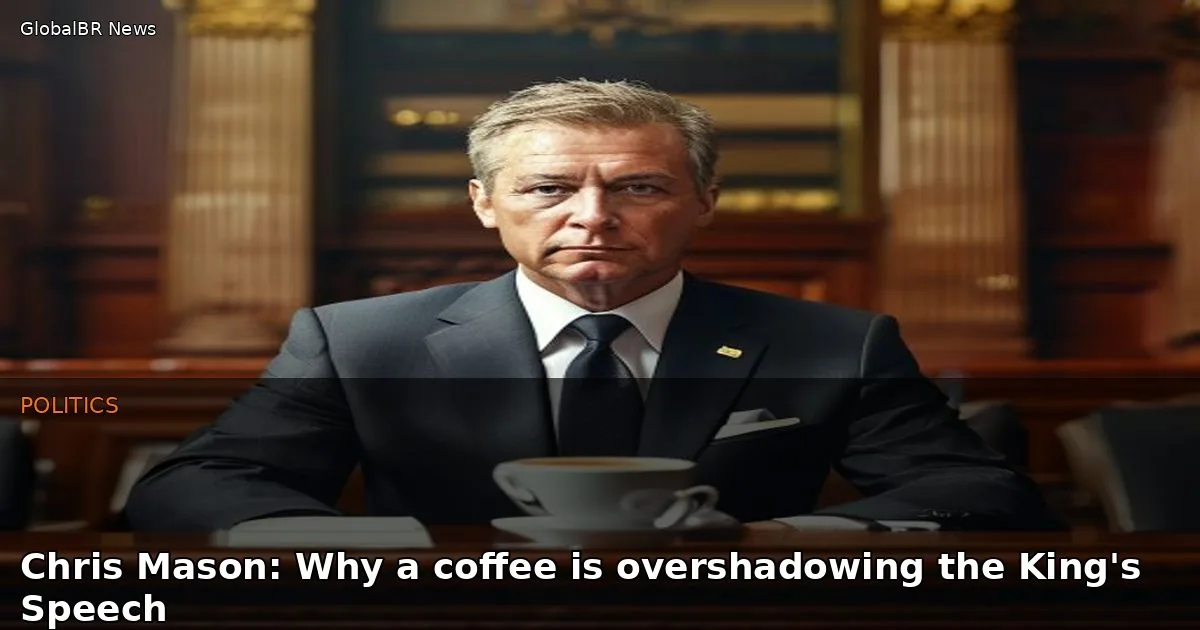
- King Charles III delivers King’s Speech on Wednesday to outline government plans.
- Political plotting shifts focus from speech to coffee shop meeting in London.
- MPs and aides hold secret talks at London café ahead of Parliament agenda.
King Charles III is set to deliver the King’s Speech in Parliament on Wednesday, outlining the government’s legislative agenda for the coming year. However, a clandestine meeting at a London coffee shop has eclipsed the event, drawing attention to behind-the-scenes political maneuvering. Sources confirm that multiple lawmakers and aides were spotted in heated discussions at the café, sparking speculation about potential policy shifts or party defections ahead of the speech.
The King’s Speech, a ceremonial event marking the start of a new parliamentary session, typically sets the tone for government priorities. This year, however, the focus has shifted to the unexpected gathering at the café, with some observers suggesting it signals deep divisions within the ruling party. Prime Minister Rishi Sunak has declined to comment on the meeting, but insiders say the discussions centered on energy policy, healthcare reform and economic strategy—key issues expected to feature prominently in Wednesday’s address.
King’s Speech overshadowed by political intrigue
The coffee shop meeting, held in Westminster, has become the subject of intense speculation. While the King’s Speech will formally present the government’s agenda, the secretive talks have raised questions about internal party unity. Some MPs allege the gathering was an attempt to rally support for a leadership challenge, though no direct evidence has emerged. The café, known for its discreet backroom spaces, has become an unlikely backdrop for political drama.
King Charles III will deliver the speech alongside Queen Camilla in a traditional ceremony at the Palace of Westminster. The event follows last week’s State Opening of Parliament, where the monarch outlines the government’s legislative plans. This year’s speech is expected to include measures on net-zero targets, social care reform and housing policy, though the exact details remain under wraps until the announcement.
What the coffee shop plot could mean for UK politics
Political analysts suggest the café meeting may reflect growing dissatisfaction within the ruling party over the government’s handling of key issues. Energy costs, healthcare delays and economic stagnation have fueled tensions, with some backbenchers reportedly pushing for harderline policies. The Prime Minister’s office has dismissed speculation of a leadership crisis, calling the talks “routine parliamentary discussions.”
The King’s Speech itself is a formality, but its content will be scrutinized for signals on the government’s direction. With inflation and public services under pressure, Wednesday’s address could either reassure or further unsettle voters. Meanwhile, the coffee shop saga continues to dominate Westminster gossip, with MPs and pundits parsing every detail for clues about what comes next. The fallout from both the speech and the café meeting may shape the government’s fortunes in the months ahead.
What You Need to Know
- Source: BBC News
- Published: May 13, 2026 at 10:21 UTC
- Category: Politics
- Topics: #bbc · #politics · #government · #chris-mason · #king
Read the Full Story
This is a curated summary. For the complete article, original data, quotes and full analysis:
All reporting rights belong to the respective author(s) at BBC News. GlobalBR News summarizes publicly available content to help readers discover the most relevant global news.
Curated by GlobalBR News · May 13, 2026
Related Articles
- Starmer’s leadership under pressure as Labour MPs question authority
- UK Labour’s Wes Streeting confirms leadership bid if race starts
🇧🇷 Resumo em Português
O clima de tensão política no Reino Unido ganhou um ingrediente inusitado: uma xícara de café. Enquanto o rei Charles III preparava-se para ler o discurso da Coroa no Parlamento, o centro das atenções migrou para um encontro sigiloso em um café londrino, onde figuras-chave tramavam os próximos passos da sucessão monárquica e do futuro do governo britânico.
O encontro, que envolveu membros do Partido Conservador e possíveis sucessores de Rishi Sunak, revela as fissuras profundas no governo britânico após anos de crises sucessivas. A relevância da notícia para o Brasil não é direta, mas serve como um espelho das turbulências políticas que qualquer democracia enfrenta quando a legitimidade do poder é questionada. Além disso, o episódio reforça como o jogo de influências muitas vezes se move nos bastidores, longe dos holofotes, mas com impacto concreto nas decisões nacionais.
À medida que o rei Charles III se prepara para discursar, a sombra de um café londrino continua pairando sobre a política britânica, lembrando que, por vezes, os momentos decisivos da história são regados a doses generosas de cafeína e segredos.
🇪🇸 Resumen en Español
El enigma de un café en Londres ha opacado el tradicional discurso de la Corona británica, desatando especulaciones sobre el futuro político del Reino Unido. En un giro inesperado, la reunión en un local de la capital entre el primer ministro laborista Keir Starmer y el líder liberal-demócrata Ed Davey ha eclipsado el acto institucional, alimentando teorías sobre posibles alianzas o tensiones internas.
El contexto no podría ser más revelador: tras años de gobierno conservador, el laborismo aspira a consolidar su agenda con apoyos parlamentarios clave, mientras los liberal-demócratas, aunque minoritarios, podrían ser decisivos en una cámara fragmentada. Para los hispanohablantes, este episodio refleja cómo los equilibrios políticos —incluso en sistemas parlamentarios estables— dependen a veces de gestos aparentemente nimios. La relevancia trasciende fronteras: recuerda que, en democracia, hasta un café puede ser el escenario donde se tejen o se rompen alianzas con consecuencias nacionales.
BBC News
Read full article at BBC News →This post is a curated summary. All rights belong to the original author(s) and BBC News.
Was this article helpful?

Discussion