U.S. Air Force secures $296M to develop ship-killing hypersonic ARRW missile variant for Pacific warfare.
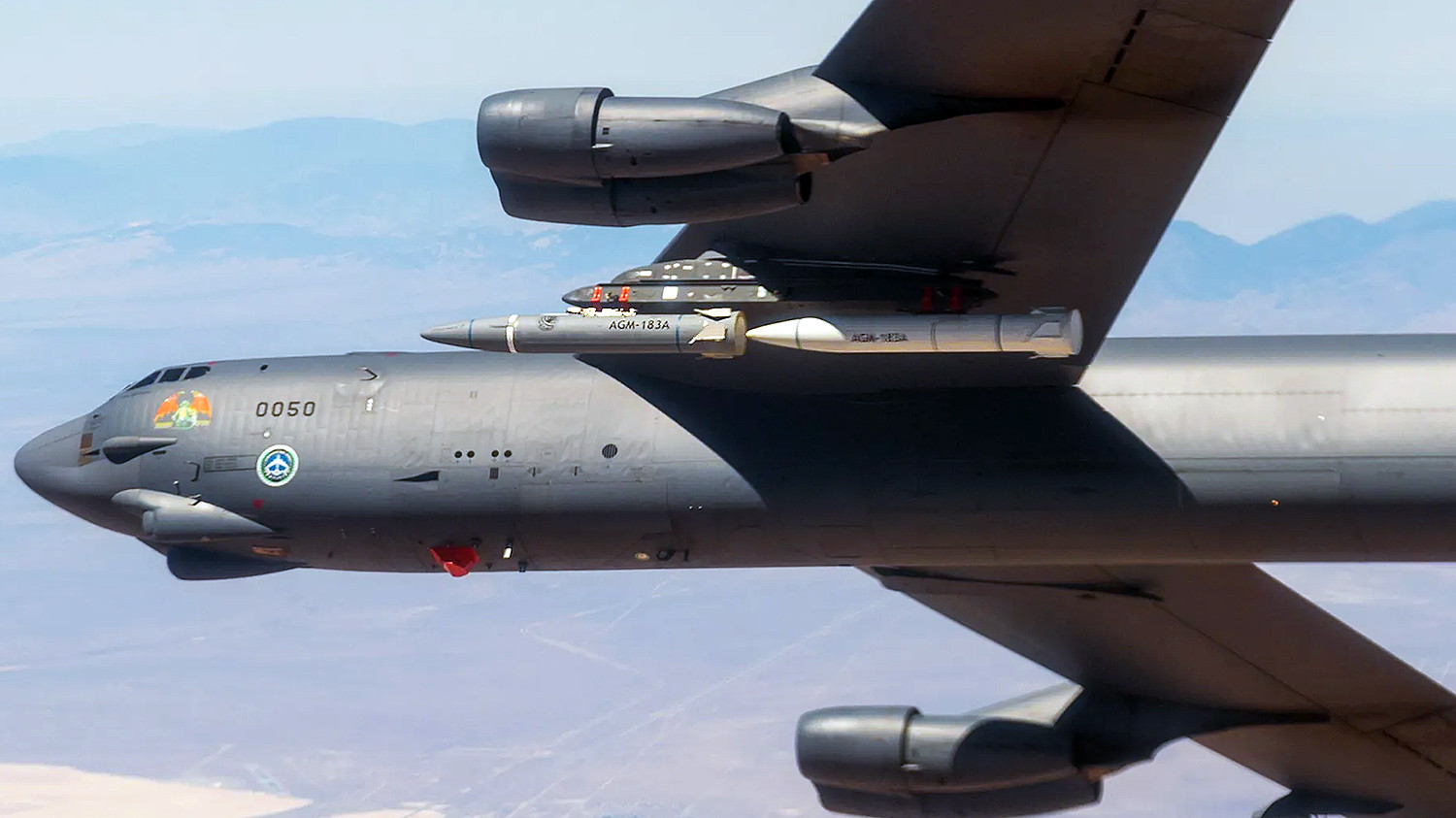
- Air Force seeks $296M for new ARRW hypersonic missile variant
- Increment 2 features seeker to strike moving ships at sea
- Program revived after near-cancellation in 2021
The U.S. Air Force has revived its AGM-183A Air-launched Rapid Response Weapon (ARRW) hypersonic missile program with a new variant designed to sink ships at sea. The Increment 2 upgrade, backed by a $296 million request in the 2027 Fiscal Year budget, introduces an advanced seeker capable of tracking moving targets. This shift marks a dramatic turnaround for a program that faced cancellation in 2021 after years of developmental setbacks and failed tests.
The ARRW, developed by Lockheed Martin, was initially intended to be America’s first operational hypersonic weapon. Its resurrection underscores the Pentagon’s growing focus on countering China’s naval dominance in the Pacific. The ship-killing capability of the Increment 2 variant could provide the U.S. a decisive edge in potential high-intensity conflicts where sea control is contested.
China’s naval expansion drives U.S. hypersonic missile push
China’s rapid naval modernization has forced the U.S. military to accelerate hypersonic weapons development. The People’s Liberation Army Navy now boasts the world’s largest fleet of warships, including advanced destroyers and aircraft carriers. The ARRW’s ability to strike moving vessels at hypersonic speeds—faster than Mach 5—could neutralize this advantage by targeting critical assets like carrier strike groups or amphibious assault ships before they launch aircraft or missiles.
The Air Force’s budget request explicitly funds the design and testing of the new seeker system, which analysts say will leverage advances in infrared and radar homing technology. While the original ARRW was optimized for land strikes, the Increment 2 upgrade refocuses the missile for anti-ship warfare, a mission gap the Navy has struggled to fill with its own hypersonic programs.
Testing and deployment timeline remains unclear
Despite the budget request’s approval, the timeline for fielding the Increment 2 ARRW remains uncertain. The Air Force has not provided a specific deployment date, though officials have indicated that operational testing could begin within two years. The program’s rocky history—including a string of flight test failures in 2021 and 2022—has raised questions about its reliability. The Increment 2 variant aims to address these concerns by incorporating proven seeker technology from other missile programs.
Lockheed Martin has not responded to requests for comment on the upgrade’s technical specifications. However, industry sources suggest the new seeker may draw from the company’s work on the Long Range Anti-Ship Missile (LRASM), which already demonstrates anti-ship capabilities at extended ranges.
Strategic implications for Pacific warfare
The revival of the ARRW program reflects a broader shift in U.S. military strategy toward long-range strike capabilities in the Pacific. The missile’s hypersonic speed and precision could allow the Air Force to strike high-value targets—such as enemy ships, air defense systems, or command centers—from stand-off distances, reducing risks to manned aircraft. This aligns with the Pentagon’s Pacific Deterrence Initiative, which aims to counter China’s military expansion in the region.
Military analysts argue that the ARRW’s ship-killing role could complement the Navy’s Conventional Prompt Strike (CPS) program, which is developing a submarine-launched hypersonic missile. Together, these weapons could create a layered defense network capable of overwhelming enemy air defenses and disrupting naval operations.
The Pentagon’s 2027 budget request for the ARRW program is now under review by Congress. If approved, funding would accelerate prototype development and begin early operational evaluations. The first operational units could be fielded by the early 2030s, pending successful testing. The Air Force declined to comment on whether the Increment 2 variant will be integrated with the B-1B Lancer or B-52 Stratofortress bombers, though both aircraft have been identified as potential launch platforms in previous ARRW testing.
What You Need to Know
- Source: The Drive
- Published: May 12, 2026 at 17:21 UTC
- Category: War
- Topics: #military · #weapons · #conflict · #war · #defense · #bomber
Read the Full Story
This is a curated summary. For the complete article, original data, quotes and full analysis:
All reporting rights belong to the respective author(s) at The Drive. GlobalBR News summarizes publicly available content to help readers discover the most relevant global news.
Curated by GlobalBR News · May 12, 2026
🇧🇷 Resumo em Português
Um novo míssil hipersônico norte-americano, capaz de afundar navios a mais de cinco vezes a velocidade do som, promete redefinir o equilíbrio de poder no Pacífico — e pode forçar o Brasil a repensar sua estratégia de defesa costeira. A Força Aérea dos Estados Unidos anunciou um investimento de US$ 296 milhões para desenvolver uma versão aprimorada do míssil ARRW (Air-Launched Rapid Response Weapon), agora equipado com um sistema de busca capaz de identificar e destruir alvos navais com precisão cirúrgica. A inovação, projetada para operar a bordo de bombardeiros estratégicos como o B-52, não apenas amplia o alcance dos EUA em conflitos de alta intensidade, mas também sinaliza uma escalada tecnológica que países como o Brasil não podem ignorar.
O contexto é crítico: enquanto Washington reforça sua capacidade de projetar poder no Atlântico e no Pacífico, a dependência brasileira de sistemas de defesa costeira convencionais — como mísseis anti-navio de médio alcance — pode se tornar obsoleta diante de ameaças hipersônicas. Especialistas alertam que, em um cenário de crise, um míssil como o ARRW poderia superar as defesas antiaéreas atuais, exigindo investimentos em contramedidas, como radares de alta resolução e mísseis de interceptação rápida. Além disso, a corrida hipersônica global já atinge a América do Sul, com países como a Rússia e a China desenvolvendo sistemas similares, o que torna a decisão brasileira uma questão de segurança nacional.
A próxima etapa cabe ao Brasil: avaliar se a modernização das Forças Armadas incluirá, em breve, soluções para neutralizar ou deter mísseis hipersônicos — ou se o país se arriscará a ficar para trás naquilo que especialistas já chamam de “nova fronteira da guerra”.
🇪🇸 Resumen en Español
El Pentágono apuesta por un misil hipersónico capaz de hundir portaaviones, un arma que podría redefinir el equilibrio militar en el Pacífico.
La Fuerza Aérea de EE.UU. ha desvelado un plan de 296 millones de dólares para desarrollar una nueva versión del misil hipersónico AGM-183A ARRW, equipado con un sistema de guiado mejorado para localizar y destruir barcos enemigos. Este avance tecnológico, que eleva la velocidad a más de cinco veces la del sonido, responde a la creciente tensión con China en la región y busca contrarrestar su expansión naval. Para España y sus aliados en la OTAN, la proliferación de este tipo de armamento hipersónico subraya la urgencia de modernizar capacidades defensivas, especialmente en un escenario donde la disuasión ya no se limita a armas convencionales. La apuesta por misiles “asesinos de barcos” refleja cómo la carrera armamentística se desplaza hacia tecnologías que dificultan la detección y neutralización, obligando a repensar estrategias de seguridad marítima en aguas como el Mediterráneo o el Atlántico.
The Drive
Read full article at The Drive →This post is a curated summary. All rights belong to the original author(s) and The Drive.
Was this article helpful?


Discussion