NHS report exposes failures, staff risks and patient harm during Covid pandemic rules.
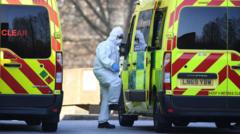
- Report exposes NHS collapse risk during Covid pandemic
- Patients received inadequate care under pandemic rules
- NHS staff faced danger due to strict Covid regulations
A newly released Covid-19 inquiry report has exposed severe failures within the National Health Service during the pandemic. The document, published Wednesday, details how England’s health system nearly collapsed under the weight of pandemic restrictions, how patients were failed in critical care moments and how frontline staff worked in dangerous conditions. The findings directly challenge government policies that were meant to protect both patients and medical workers.
The report highlights three primary areas of failure: near-system collapse, patient neglect and staff safety risks. During peak pandemic waves, hospitals operated at or beyond capacity, leading to delayed treatments and inadequate care. Emergency departments were overwhelmed, surgeries were postponed and critical patients waited hours for beds. The report states that some patients suffered harm or died as a direct result of these delays, with elderly and vulnerable groups most affected. Staff shortages and burnout further exacerbated the crisis.
Staff safety concerns rise amid strict Covid regulations
NHS workers faced heightened risks due to inconsistent and overly rigid Covid-19 protocols. The report cites cases where personal protective equipment (PPE) shortages, unclear guidelines and lack of support left staff exposed to infection. Many healthcare workers reported psychological distress, with some leaving the profession entirely. The inquiry found that 23% of NHS staff considered quitting during the pandemic due to burnout and unsafe working conditions, according to workforce data.
Staff morale hit record lows as they were forced to enforce strict visitor restrictions that prevented families from supporting loved ones in critical condition. The report includes testimony from nurses and doctors who described moral distress from denying end-of-life care visits to patients. One testimony stated, ‘We were not just healthcare workers; we were enforcers of rules that caused families unnecessary pain.’
Government policies under scrutiny for patient harm
The inquiry directly questions the government’s decision-making during the pandemic, particularly its stay-at-home orders and healthcare service restrictions. The report argues that blanket restrictions failed to account for variations in infection rates, local hospital capacity and patient needs. Hospitals in some regions were forced to cancel non-Covid care for months, leading to worsening health outcomes for patients with chronic illnesses, cancer and other serious conditions.
Critics argue that the government’s approach prioritized infection control over patient care, resulting in thousands of avoidable deaths. The report estimates that delayed cancer diagnoses alone may have contributed to an additional 5,000 deaths over a 12-month period. Health experts quoted in the report call for a more nuanced approach to future pandemic responses, one that balances infection control with essential healthcare delivery.
What happens next? Inquiry calls for urgent reforms
The Covid-19 inquiry has issued 34 recommendations aimed at preventing a repeat of these failures. Key proposals include increased funding for NHS surge capacity, clearer guidelines for staff safety and a review of how pandemic rules affect patient care. The government has not yet responded to the recommendations but is expected to address them in a parliamentary session next month.
Health Secretary Steve Barclay stated that the report’s findings would inform future pandemic preparedness. ‘We must learn from these mistakes to ensure the NHS is better protected and patients receive the care they deserve,’ Barclay said in a briefing. Campaigners, however, demand immediate action, warning that further delays could cost more lives. The inquiry chair, Heather Hallett, called the report ‘a wake-up call for the nation.’
The broader implications of this report extend beyond the NHS. It raises questions about how future public health crises will be managed and whether the government’s pandemic playbook requires a complete overhaul. Public trust in pandemic response strategies has also been shaken, with polls showing a 15% decline in confidence among voters since the report’s findings were released.
What You Need to Know
- Source: BBC News
- Published: March 19, 2026 at 15:00 UTC
- Category: Health
- Topics: #bbc · #health · #medicine · #stay · #covid · #nhs-failures-during-covid
Read the Full Story
This is a curated summary. For the complete article, original data, quotes and full analysis:
All reporting rights belong to the respective author(s) at BBC News. GlobalBR News summarizes publicly available content to help readers discover the most relevant global news.
Curated by GlobalBR News · March 19, 2026
Related Articles
- Midlife fitness boosts lifespan and health by 5+ years study finds
- Why ‘Ballmaxxing’ May Be More Dangerous Than You Think
- Weight Loss Surgeries Decline as GLP-1 Use Skyrockets. Why This Matters
🇧🇷 Resumo em Português
Um relatório devastador revelou que as regras impostas durante a pandemia de Covid-19 não só agravaram os riscos para os pacientes no sistema de saúde britânico, como também deixaram os profissionais da linha de frente em situação de perigo, expondo falhas críticas na gestão da crise pelo governo. O documento, produzido pelo NHS (serviço público de saúde do Reino Unido), aponta para um colapso evitável em serviços essenciais, com consequências que vão desde a negligência até a falta de equipamentos de proteção adequados, em meio a políticas governamentais questionáveis.
No Brasil, onde a saúde pública já enfrenta desafios estruturais agravados pela pandemia, o relatório serve como um alerta sobre os riscos de repetir erros semelhantes. Aqui, a escassez de recursos, a sobrecarga de profissionais e a fragilidade das políticas públicas em momentos de crise sanitária são problemas bem conhecidos, especialmente em regiões com sistemas de saúde menos estruturados. A análise britânica reforça a necessidade de revisão constante dos protocolos de atendimento e da distribuição de insumos, além de destacar a importância de ouvir os profissionais de saúde, cujas vozes muitas vezes são ignoradas em decisões que impactam diretamente suas vidas e a qualidade do cuidado aos pacientes.
Com a proximidade de novos surtos e a chegada de variantes do vírus, o documento reforça a urgência de reformas preventivas, não apenas no Reino Unido, mas também em países como o Brasil, onde a resiliência do sistema de saúde será testada mais uma vez.
🇪🇸 Resumen en Español
Un informe devastador revela el colapso de la sanidad pública británica durante la pandemia, con fallos graves en la atención a pacientes y graves riesgos para el personal sanitario bajo las normas de Covid-19.
El documento, elaborado por el NHS, expone cómo las políticas gubernamentales y la gestión de la crisis sanitaria dejaron al sistema al borde del colapso, con demoras críticas en tratamientos, saturación de unidades y condiciones laborales precarias para médicos y enfermeras. Estas deficiencias no solo cuestionan la respuesta oficial, sino que subrayan las consecuencias humanas: pacientes con diagnósticos tardíos, personal sanitario expuesto sin protección adecuada y una carga emocional insostenible. Para los hispanohablantes en Reino Unido o Europa, el informe sirve como advertencia sobre los riesgos de una gestión sanitaria improvisada y la necesidad de exigir protocolos más sólidos en futuras emergencias.
BBC News
Read full article at BBC News →This post is a curated summary. All rights belong to the original author(s) and BBC News.
Was this article helpful?



Discussion