South Korean ship attack in Hormuz Strait spotlights Asia’s absence from global maritime crisis response.
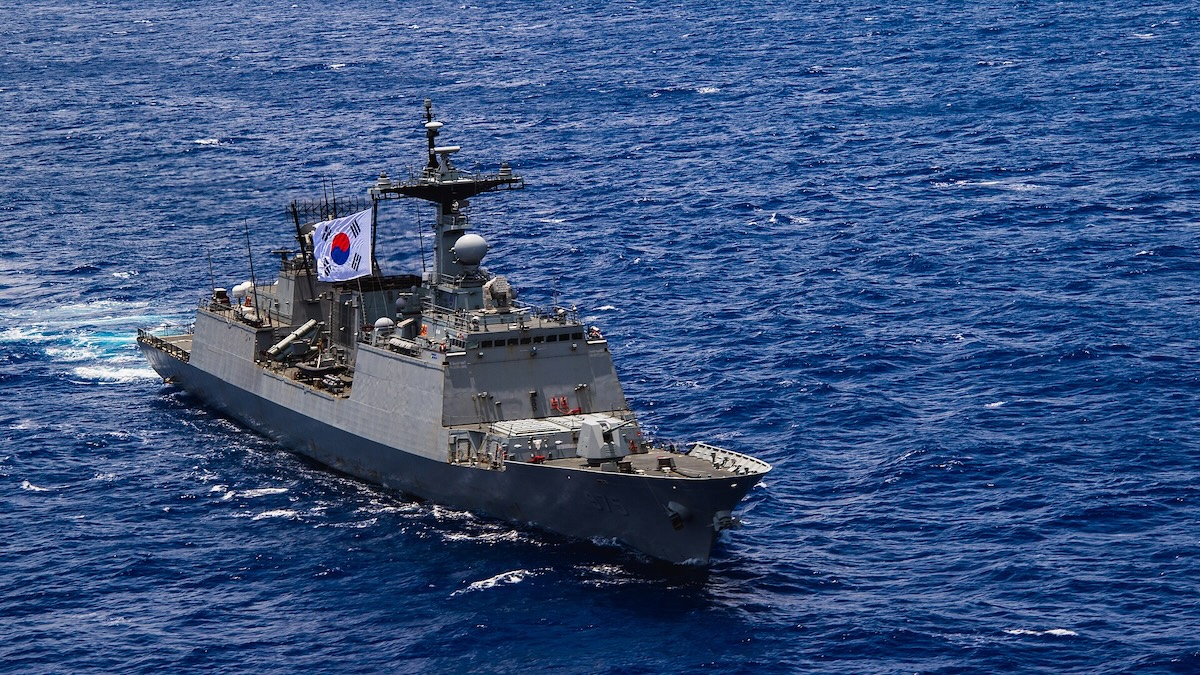
- South Korean vessel came under fire in Strait of Hormuz May 4 2026
- Trump asked Seoul to join U.S.-led mission but received no firm commitment
- Hormuz closure hurts Asian economies yet Asian navies remain mostly uninvolved
The Strait of Hormuz, a narrow waterway connecting the Persian Gulf to the Gulf of Oman, has become the epicenter of the world’s worst maritime crisis in decades. On May 4, 2026, a South Korean-flagged vessel navigating the strait came under direct fire, marking the latest escalation in a conflict that threatens to choke global oil supplies. The attack immediately drew a response from Washington, with President Donald Trump urging the government in Seoul to join a U.S.-led operation aimed at securing the waterway. South Korea’s reply was noncommittal, stating only that it would review the proposal—a response that underscored a growing paradox in global maritime security: Asia, the region most affected by the Hormuz crisis, remains largely absent from the international effort to resolve it.
The Hormuz Strait is a critical chokepoint, handling roughly one-fifth of the world’s oil supply. Its closure or disruption would send shockwaves through Asian economies, which depend heavily on Middle Eastern crude. Despite this, Asian countries—including major players like Japan, South Korea, and India—have contributed minimally to the military or diplomatic efforts aimed at stabilizing the region. The absence of Asian naval forces in Hormuz-related missions contrasts sharply with their active involvement in the South China Sea and other regional flashpoints, raising questions about priorities and alliances.
Why Asia’s navies are staying out of the Hormuz crisis
Several factors explain Asia’s reluctance to engage in the Hormuz crisis. Geopolitical tensions in the Indo-Pacific have led some Asian nations to prioritize regional security over distant maritime commitments. Others cite financial constraints or legal restrictions that limit their ability to participate in multinational naval operations. Japan, for example, has expanded its naval presence in the Middle East in recent years but has stopped short of joining a formal U.S.-led coalition in the Strait of Hormuz. South Korea, despite its strategic alliance with Washington, has adopted a cautious stance, citing domestic political considerations and the need to avoid entanglement in regional conflicts.
India, another key Asian power, has maintained a policy of strategic autonomy, declining to join any U.S.-led naval task force while continuing to protect its own shipping interests through bilateral agreements and limited patrols. The lack of coordination among Asian navies has left a security vacuum in the Strait of Hormuz, where European and Gulf Cooperation Council (GCC) states have taken on a more prominent role. Yet even these efforts have been fragmented, with nations like France and the United Kingdom deploying warships but struggling to enforce collective maritime security.
The economic fallout for Asia
The closure or disruption of the Strait of Hormuz would devastate Asian economies, which rely on the uninterrupted flow of oil from the Middle East. Japan imports nearly 90% of its oil, while South Korea depends on the strait for about 70% of its crude supply. India, the world’s third-largest oil importer, sources roughly 60% of its oil from Gulf states, much of it passing through Hormuz. Even a temporary disruption could trigger price spikes, fuel shortages, and economic instability across the continent. Despite these risks, Asian governments have been slow to invest in alternative shipping routes or bolster their own naval presence in the region.
The May 4 attack on a South Korean vessel is a stark reminder of the vulnerabilities facing Asian shipping. The vessel, identified as the Chemical Frontier, was struck by what authorities described as an unguided projectile, causing minor damage but raising fears of escalation. The incident occurred amid a broader pattern of harassment against commercial ships in the strait, including the seizure of foreign vessels and the disruption of navigation by armed groups operating in the region. The U.S. Fifth Fleet, based in Bahrain, has attempted to counter these threats with increased patrols, but its capacity is limited by the vast area it must cover and the competing demands of other global hotspots.
What happens next?
The Hormuz crisis shows no signs of abating, with regional tensions flaring between Iran and its Gulf Arab neighbors, as well as between Iran and Western powers. The United States has called for a multinational coalition to secure the strait, but so far, only a handful of countries have contributed ships or personnel. Asian nations, despite their economic stakes, remain on the sidelines, leaving the burden of maritime security to a shrinking coalition of willing participants. If the crisis escalates, Asian economies could face severe disruptions, forcing governments to reconsider their passive approach. For now, the absence of Asian navies from the Hormuz debate highlights a broader challenge: how to balance regional priorities with global responsibilities in an era of shifting alliances.
What You Need to Know
- Source: War on the Rocks
- Published: May 13, 2026 at 07:30 UTC
- Category: War
- Topics: #defense · #military · #geopolitics · #war · #conflict · #limits
Read the Full Story
This is a curated summary. For the complete article, original data, quotes and full analysis:
All reporting rights belong to the respective author(s) at War on the Rocks. GlobalBR News summarizes publicly available content to help readers discover the most relevant global news.
Curated by GlobalBR News · May 13, 2026
Related Articles
- Wembanyama’s Spurs reach Western finals, Pistons stay alive in NBA playoffs
- 🎉 100 Articles in War!
- Man killed in great white shark attack in western Australia
🇧🇷 Resumo em Português
O estreito de Ormuz, por onde passa um terço do petróleo mundial, voltou a ser palco de uma crise que expõe a fragilidade das alianças militares no Indo-Pacífico. Em maio de 2026, um navio sul-coreano foi alvejado na região, reacendendo temores de um conflito que poderia estrangular economias globais, inclusive a do Brasil, dependente de rotas marítimas estáveis para suas exportações.
O incidente ocorre em um cenário de crescente tensão entre potências regionais, onde a presença da Marinha dos EUA — tradicional garantidora da segurança marítima — tem sido questionada por aliados asiáticos cada vez mais céticos em relação à sua capacidade de resposta. Para o Brasil, que mantém interesses comerciais e energéticos na região, a crise reforça a urgência de diversificar parcerias navais e investir em diplomacia de defesa, já que a fragilidade das rotas asiáticas pode impactar diretamente o fluxo de commodities brasileiras.
A situação pede ação imediata, ou o risco de um blackout global no fornecimento de energia e alimentos se tornará ainda mais concreto.
🇪🇸 Resumen en Español
La tensión en el Estrecho de Ormuz alcanza un nuevo umbral con el ataque a un buque surcoreano en mayo de 2026, revelando la fragilidad de las alianzas navales en Asia y el creciente riesgo para el comercio global.
El incidente, en el que un carguero con bandera de Corea del Sur fue atacado en aguas estratégicas, subraya el vacío de liderazgo en la región, donde potencias como EE.UU. priorizan su estrategia en el Indo-Pacífico pero muestran limitaciones para garantizar la seguridad marítima. Para los países hispanohablantes, dependientes de rutas comerciales asiáticas, el episodio plantea un escenario preocupante: la posible escalada de conflictos asimétricos y la insuficiencia de coaliciones multinacionales para proteger el libre tránsito, un pilar clave del comercio internacional. La crisis, en suma, expone cómo la inestabilidad en puntos críticos como Hormuz puede reconfigurar el tablero geopolítico, afectando a economías lejanas pero interconectadas.
War on the Rocks
Read full article at War on the Rocks →This post is a curated summary. All rights belong to the original author(s) and War on the Rocks.
Was this article helpful?


Discussion